





The Grand Vision for Lunar Science
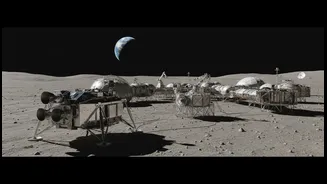
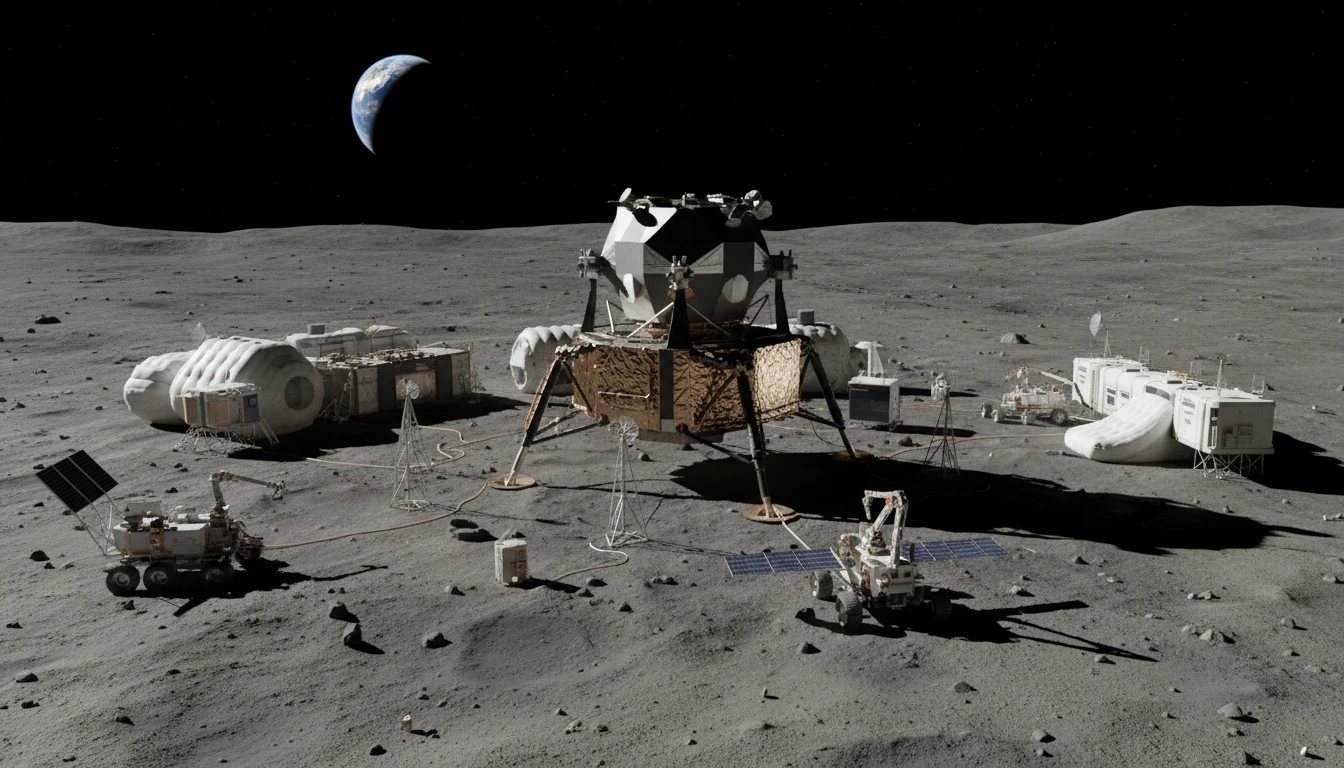
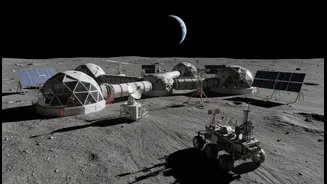
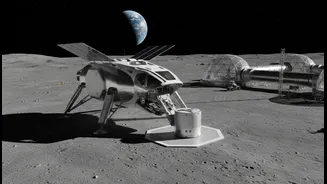
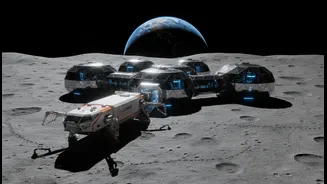
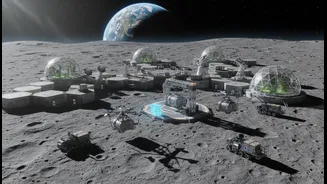
NASA's Artemis program isn't just about planting flags; it's about establishing a sustained human presence on the Moon to conduct groundbreaking science. Scientists are eager to investigate the history of the Earth-Moon system, understand the potential
of lunar resources like water ice, and even use the Moon as a unique platform to observe the universe. Key objectives include drilling for polar volatiles, deploying long-term geophysical monitoring stations, and returning complex samples for analysis back on Earth. These goals require heavy, sophisticated, and sometimes delicate instrumentation to be delivered safely and precisely to the lunar surface, particularly the resource-rich but challenging South Pole.
NASA's Delivery Service: The CLPS Program
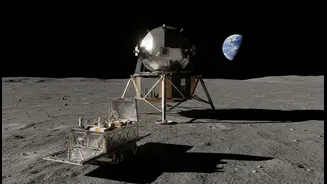
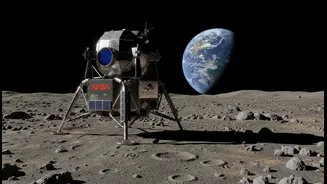
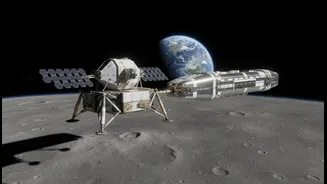
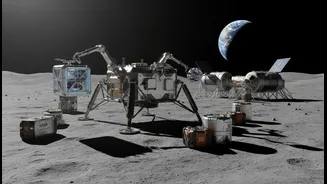
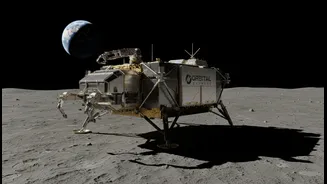
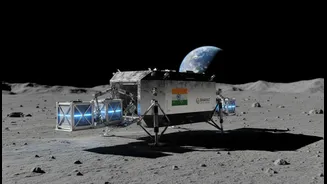
To get this science to the Moon, NASA created the Commercial Lunar Payload Services (CLPS) program. Instead of building and flying its own landers, NASA is buying delivery services from a pool of private American companies like Astrobotic, Intuitive Machines, and Firefly Aerospace. The idea is to stimulate a commercial lunar economy, reduce costs for the taxpayer, and accelerate the pace of exploration by taking more "shots on goal". Under this model, NASA acts as a customer, purchasing space on landers developed, owned, and operated by these commercial partners. This public-private partnership is central to the agency's strategy for building a moon base and paving the way for future missions to Mars.
A Mismatch in Ambition?
Here's where the new questions are emerging. The CLPS model was designed to embrace higher risk, starting with smaller, lower-cost payloads. However, the scientific ambitions for the moon base require increasingly large and complex instruments. A 2024 NASA Inspector General report highlighted this tension, noting that challenges with commercial lander development have already led to significant schedule delays and cost increases. The early CLPS missions have had mixed success, with some landers failing to reach the Moon and others tipping over upon landing, which compromised some mission objectives. This has raised concerns about whether the current generation of commercial landers is truly ready and capable enough to support the high-stakes science NASA wants to perform, like delivering the ambitious VIPER rover designed to hunt for water.
The High-Stakes Balancing Act
This situation puts NASA in a tricky position. The agency is trying to balance its desire for rapid, low-cost innovation against the need for reliable and highly capable systems to achieve its core science objectives. Deviating from the original risk-tolerant approach by adding larger, more critical payloads like VIPER has increased pressure on the commercial providers. The inexperience of some newer companies, combined with financial pressures and technical hurdles, has led to bankruptcies and contract terminations within the CLPS program. Now, NASA faces a difficult choice: should it scale back its near-term scientific goals to match the current capabilities of its partners, or should it increase oversight and requirements, potentially stifling the very commercial innovation it sought to foster?