





Take a peek inside a modern metro kitchen, and you might notice a quiet revolution unfolding. The familiar comfort of basmati and sona masuri is making way for a vibrant array of regional rice grains, each with a unique story, flavour, and identity.
Beyond the Usual Grains
For
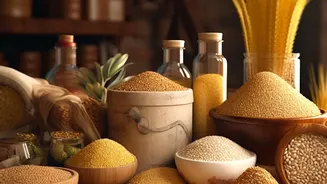
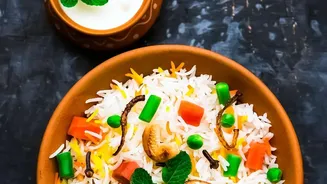
decades, the choice for many urban Indian households was simple: long-grained, fragrant basmati for special occasions like biryani and pulao, and a reliable medium-grain like Sona Masuri for daily meals. These were the staples, dependable and widely available. But a significant shift is underway. Kitchen shelves now feature names that were once confined to specific regions: short-grained, aromatic Gobindobhog from West Bengal, nutty-flavoured red Matta rice from Kerala, and Ambemohar from Maharashtra, which carries the scent of mango blossoms. This growing appetite for diversity is not just about trying something new; it's a deeper change rooted in health consciousness, culinary curiosity, and a desire to reconnect with tradition.
A Quest for Better Health
One of the biggest drivers behind this trend is a growing awareness of nutrition. Many traditional rice varieties are unpolished or semi-polished, meaning they retain their nutrient-rich bran layer. Unlike fully polished white rice, which is primarily starchy carbohydrates, these heirloom grains offer significantly more dietary fibre, B vitamins, and essential minerals like magnesium and zinc. Varieties like red and black rice are also packed with antioxidants. This higher fibre content not only aids digestion but also leads to a slower release of energy and a lower glycemic index, making them a better choice for managing blood sugar levels and promoting a feeling of fullness. As urban consumers become more health-conscious, the nutritional superiority of these traditional grains makes them an attractive daily alternative to their highly processed counterparts.
The Allure of Authentic Flavour
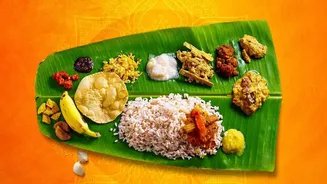
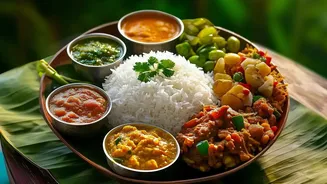
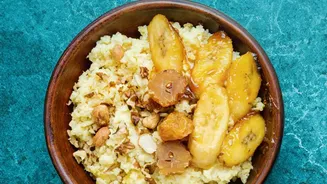
Beyond health benefits, regional rice varieties offer a world of unique tastes, aromas, and textures that standard grains cannot match. Food enthusiasts are discovering that rice can have 'terroir'—a distinct character shaped by the specific soil and climate where it's grown. Gobindobhog, for instance, has a natural buttery sweetness and a gentle stickiness perfect for desserts like payesh or a flavourful khichuri. Ambemohar’s delicate, floral aroma enhances simple Maharashtrian dishes like varan bhaat. In Kerala, the robust texture of Matta rice is the perfect vehicle for rich curries. This culinary exploration allows home cooks to create more authentic regional dishes and adds a new dimension to everyday meals, transforming rice from a simple filler to a star ingredient.
A Taste of Home and Heritage
For many people living in bustling metro cities, far from their ancestral homes, food is a powerful link to their roots. The aroma of a specific rice variety can evoke strong memories of family meals and festive celebrations. This sense of nostalgia is a potent force driving the demand for regional grains. Cooking with a rice variety like Gobindobhog in Delhi or Ambemohar in Bengaluru is not just about taste; it is about recreating a piece of home. This trend reflects a broader cultural movement of looking back to traditions for authenticity and comfort. As these grains become more readily available, they offer a tangible and delicious way for people to stay connected to their heritage.
From Niche to Mainstream
This revival wouldn't be possible without a crucial development: improved access. What were once hyper-local grains, sold only in their native regions, are now reaching urban consumers thanks to dedicated farmers, conservationists, and a new wave of online retailers. Farmers and conservation groups have worked to revive and cultivate these heirloom seeds, which were once at risk of disappearing due to the dominance of high-yield hybrids. Specialised online stores and organic brands have built supply chains that bring these varieties directly from farms to city kitchens. Even some restaurants are championing indigenous rice, introducing them to a wider audience and fuelling curiosity. This increased visibility and availability have made it easier than ever for households to explore India's vast and flavourful rice biodiversity.