


From Cook to Curator
So, what exactly is a chef-led menu? It’s a shift in philosophy. Gone are the days when chefs were anonymous figures hidden in the kitchen, executing a menu decided by a corporate committee. Today, the chef is the brand ambassador, the storyteller, and the artist.
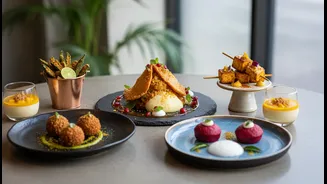
A chef-led or chef-driven restaurant is built around a singular culinary vision. The menu is a direct reflection of the chef's personality, experiences, and passion. Often, these menus are shorter, more focused, and change frequently based on the availability of fresh, seasonal ingredients. Think tasting menus that take you on a journey, cuisine-agnostic plates that prioritize a hero ingredient, or intimate supper clubs where every dish tells a story. This approach allows for immense creativity and a direct, trusting connection between the person cooking the food and the person eating it.
What's Fuelling the Change?
Several factors are converging to make this the perfect moment for the chef-led movement. Firstly, the Indian diner has evolved. Thanks to global travel and social media, palates have become more sophisticated and curious. Diners are no longer just seeking a meal; they're seeking a narrative-driven experience. They want to know the story behind their food, from the farm where the ingredients were sourced to the inspiration behind the dish. Secondly, a new generation of Indian chefs, many with international training, are eager to express their own culinary identity. They are moving away from generic fusion and diving deep into regional Indian cuisines, reinterpreting forgotten recipes with modern techniques. This focus on hyperlocal ingredients not only produces better-tasting food but also promotes sustainability.
The Full Experience
The chef’s vision extends far beyond the plate. In these establishments, the entire experience is curated. From the music and decor to the service style, every element is designed to complement the food and create a cohesive narrative. It's the difference between a transactional meal and a memorable event. Many of these new concepts are also smaller and more intimate, sometimes seating as few as 12 to 20 people. This micro-restaurant trend redefines luxury, shifting the focus from grand, impersonal dining halls to exclusivity and a personal connection with the chef. Scarcity drives demand, and getting a seat at one of these tables feels like being invited to an exclusive club. This intimate setting allows for more focused service and a higher degree of precision in the cooking.
What It Means for You, the Diner
This trend offers a more adventurous and rewarding way to dine out. Instead of sticking to familiar favourites, you are encouraged to put your trust in the chef and try something new. Tasting menus, for example, allow you to sample a wide variety of flavours and techniques in a single meal. While dining at a premier chef-led restaurant can be more expensive, the value lies in the uniqueness and quality of the experience. From Mumbai's Masque and The Bombay Canteen to Bengaluru's Farmlore, these restaurants are becoming destinations in their own right. Economically, these focused menus are also more efficient for the restaurant, leading to less food waste and better quality control, which ultimately benefits the diner. It’s a win-win: chefs get the creative freedom they crave, and diners get a meal that is thoughtful, delicious, and anything but boring.