






Check Forecasts Before You Leave
The most crucial first step is to check the latest weather updates. The IMD has issued warnings for heavy to very heavy rainfall across eastern and northeastern states like Bihar, West Bengal, Sikkim, Assam, and Meghalaya for the weekend. Alerts are also
in place for northern states including Uttarakhand and Himachal Pradesh. Weather conditions can change rapidly, so look for district-level alerts for your specific route and destination. Official apps like 'Mausam' provide real-time updates on rainfall and lightning. Being informed allows you to delay, reroute, or cancel your trip if conditions are too hazardous.
Prepare Your Vehicle Thoroughly
If you are driving, a pre-trip vehicle check is non-negotiable. Ensure your tyres have adequate tread (at least 3mm is recommended) to grip wet roads and prevent aquaplaning. Check your brakes, as stopping distances increase significantly on wet surfaces. Replace worn-out wiper blades for clear visibility. It's also wise to check your headlights, taillights, and defogger. Finally, top up your fuel tank; traffic jams are common during downpours, and you don't want to be stranded.
Adopt Safe Driving Practices
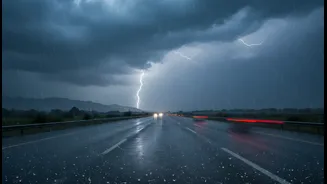
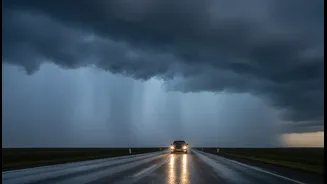
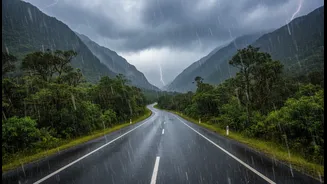
Driving in the rain requires a completely different approach. The first rule is to slow down. Reduce your speed by at least 25-30% to give yourself more time to react. Double the distance between your vehicle and the one ahead. Always use your low-beam headlights, even during the day, to improve your visibility to others. Avoid driving through waterlogged streets. As a rule, if the water is deeper than the centre of your wheels, do not attempt to cross it. Doing so can cause your engine to stall and lead to expensive damage. If visibility becomes extremely poor, it's safer to pull over at a secure, elevated spot and wait for the rain to subside.
Pack Smart, Not Heavy
Your packing list for a monsoon trip should prioritize function over fashion. Opt for lightweight, quick-drying synthetic clothes and avoid cotton and denim, which stay wet for hours. A reliable waterproof jacket or poncho is more practical than an umbrella, which can be useless in strong winds. For footwear, choose rubber sandals or waterproof shoes with good grip. Pack everything in waterproof bags or use dry bags and zip-lock pouches to protect electronics, documents, and clothes. A power bank, first-aid kit, and insect repellent are other essentials for monsoon travel.
Health and Hygiene on the Go
The risk of waterborne diseases increases during the monsoon. Avoid eating street food and drinking water from unreliable sources to prevent contamination. Stick to bottled or filtered water and eat at clean, hygienic establishments. Carrying some basic medications for common ailments like colds and indigestion is also a good idea. Fungal infections can be common, so keeping an antifungal powder or cream handy is advisable, especially for trips involving trekking or walking in wet conditions.
Plan for Delays and Emergencies
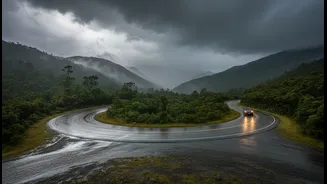
Monsoon travel requires flexibility. Heavy rain can cause flight delays, train cancellations, and road blockages due to landslides, particularly in hilly regions. Build extra time into your itinerary to account for potential disruptions. Before you leave, inform family or friends of your travel plans and expected arrival times. Keep emergency contact numbers for local authorities saved on your phone. Having a plan and staying prepared allows you to handle unexpected situations calmly without letting them ruin your trip.