





The Social Pressure to Push Through
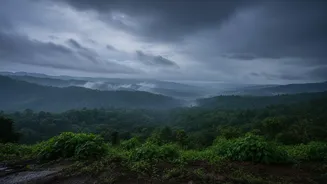
We’ve all been there. A calendar packed with social engagements, from a colleague’s birthday dinner to a long-awaited reunion with college friends. The plans were made weeks ago, when the skies were clearer. But now, the India Meteorological Department
(IMD) has issued orange or red alerts for your city. The pressure to show up is immense. There’s the fear of missing out (FOMO), the guilt of letting someone down, and the simple desire to be a reliable friend. We tell ourselves, “It’s just a little rain,” and start planning the complicated logistics of a journey that feels more like an expedition. This internal conflict between social obligation and practical self-preservation is a hallmark of city life during the monsoon, where a commitment made in good faith can quickly become a source of significant stress.
When 'Just Rain' Becomes a Real Risk
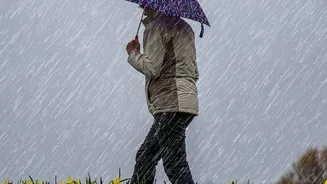
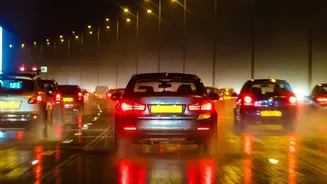
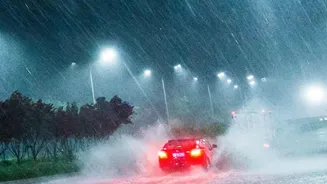
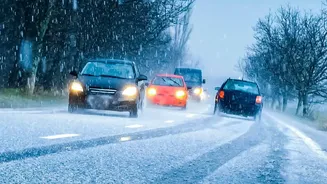
Ignoring widespread rain alerts isn't just an inconvenience; it can be a genuine safety risk. In many Indian cities, heavy rainfall frequently leads to severe waterlogging, turning main roads into impassable streams. Drainage systems, often old and clogged, are quickly overwhelmed, leading to flash floods in low-lying areas. This creates a domino effect: traffic comes to a standstill for hours, public transport schedules are thrown into disarray, and app-based taxis become scarce and expensive. Navigating waterlogged streets on foot is hazardous, with risks of open manholes and water-borne diseases. Driving becomes treacherous as visibility drops and roads become slippery, increasing the chance of accidents. Authorities often issue advisories for a reason, urging people to avoid non-essential travel during extreme weather events. Postponing a trip is always better than getting stranded or compromising your safety.
The Hidden Costs of a Rainy Commute
Even if you manage to navigate the journey safely, consider the toll it takes. A commute that normally takes 30 minutes can easily stretch to two hours. You might arrive at your destination drenched, exhausted, and thoroughly frustrated. The stress of the journey—the traffic, the uncertainty, the physical discomfort—can leave you in a state where you can't even enjoy the social event you tried so hard to attend. Is it fair to your friends, or to yourself, to show up feeling frazzled and miserable? The entire point of a social gathering is to connect and have a good time. When the journey to get there drains all your energy and good humour, it defeats the purpose entirely. The hidden cost is your peace of mind, and that’s a high price to pay for a dinner or a party.
How to Cancel Gracefully (and Guilt-Free)
Cancelling plans, especially at the last minute, can feel awkward. But in the face of severe weather, it’s a perfectly valid and responsible decision. The key is to communicate clearly and sincerely. Don't just disappear. A quick phone call or a thoughtful message goes a long way. Apologise for the change in plans, and briefly explain the reason. Phrases like, "I'm so sorry, but with the heavy rain alert and the traffic situation, I don't think I'll be able to make it safely across town tonight," are perfectly reasonable. It’s important to express your disappointment and reiterate that you were looking forward to the event. Most importantly, take the initiative to reschedule immediately. Suggesting a new time shows that you value the relationship and genuinely want to meet, just under better circumstances.
Embrace the Joy of Staying In
Choosing to stay home during a downpour isn't about being antisocial; it's about being smart and practicing self-care. Instead of viewing it as a cancellation, reframe it as an opportunity. A forced evening in can be a blessing in disguise—a chance to unwind, catch up on a book, or simply enjoy the comfort of your home while listening to the rain. You could even turn the situation into a new kind of social event. Suggest a group video call with the friends you were supposed to meet. You can still catch up and share a laugh without anyone having to brave the storm. By prioritizing safety and well-being, you're ensuring that when you do meet, everyone is relaxed, happy, and able to fully enjoy the time together. Sometimes, the best plan is to have no plan at all.