



The Wisdom of Tradition
For centuries, festive floor art in India, known as rangoli or kolam, was more than just decoration; it was a symbol of harmony with nature. Instead of synthetic chemical powders that pollute waterways, our ancestors used simple, earthy ingredients. The
primary material was often coarse rice flour, not only for its pure white colour but as a daily offering of food to ants, birds, and other small creatures. This beautiful gesture signifies a welcome to all beings and a desire to coexist peacefully. Using natural elements connects us to this meaningful heritage, turning decoration into a mindful, spiritual practice that welcomes prosperity and positive energy into the home.
Your Sustainable Decor Toolkit
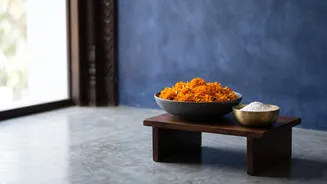
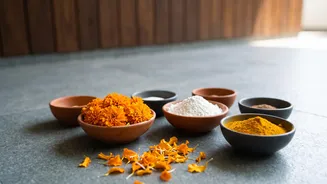
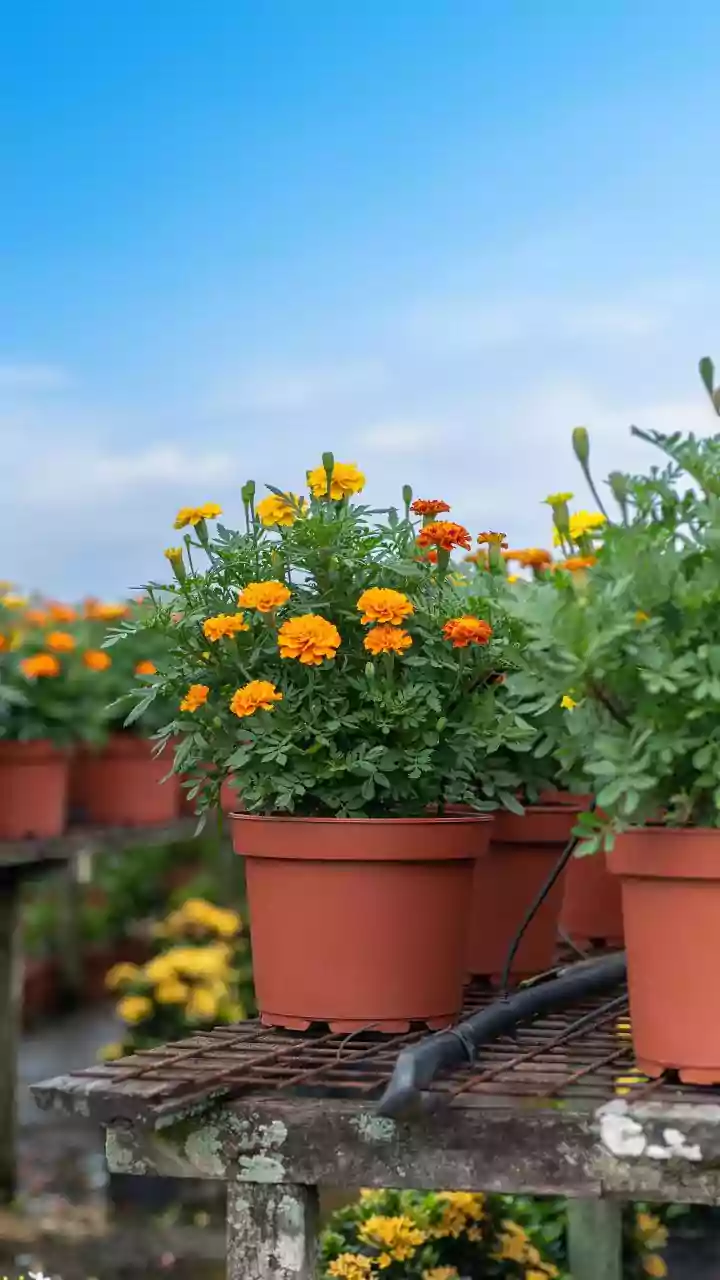
Creating your own natural festive art is simpler than you think. Most of the materials you need can be found in your kitchen or garden. Start with a base of white rice flour for your outlines. For a vibrant palette of colours, turn to nature's own pigments. Turmeric powder provides a brilliant, auspicious yellow, while kumkum offers a deep, traditional red. Fresh flower petals are perfect for filling in your designs; marigolds give you shades of orange and gold, roses provide pinks and reds, and chrysanthemums can offer whites and yellows. For other colours, get creative with dried and powdered spinach or mint for green, and beetroot powder for a rich magenta.
Crafting the Base: Flour Power
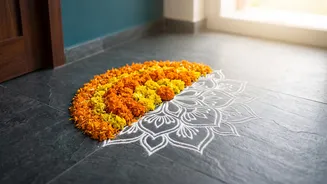
The foundation of many traditional designs is the intricate line work created with rice flour. Known as kolam in South India, these geometric patterns are composed of lines, curves, and loops often drawn around a grid of dots. To begin, ensure your doorstep is clean and slightly damp, which helps the powder adhere better. Traditionally, you let the dry rice flour flow between your thumb and index finger to create lines. This takes practice, but it's a calming, meditative process. For beginners, using a stencil or sketching a simple design with chalk first can be very helpful. You can also make a wet paste by mixing rice flour with water for sharper, longer-lasting lines.
Adding Colour with Petals and Pigments
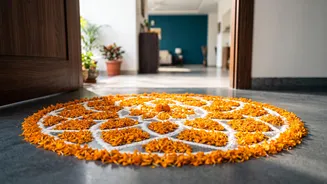
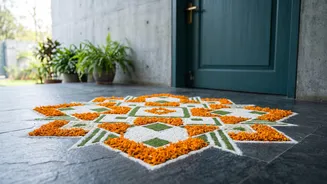
Once your white outline is complete, it's time to bring it to life with colour. This is where fresh marigold petals truly shine. Separate the petals and use them to fill in sections of your design for a textured, brilliantly orange and yellow effect. They can be arranged in circles, used to create borders, or scattered for a more abstract look. For powdered colours like turmeric or beetroot powder, you can mix them with a little more rice flour to make them easier to spread evenly. Carefully pinch and sprinkle the powders into your design. Don't be afraid to mix materials, combining the soft texture of petals with the fine grain of natural powders.
Simple Designs to Inspire You
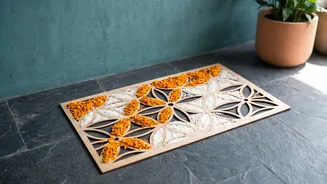
You don't need to be an expert artist to create something beautiful. A simple circle of marigold petals with a clay diya placed in the centre is classic and elegant. Another easy idea is a geometric pattern using rice flour for the lines and filling the shapes with alternating colours of turmeric and kumkum. You can also create a floral mandala, starting with a central circle and radiating outwards with petals of different flowers. For a traditional touch, consider adding a border of mango or ashoka leaves, which are considered auspicious and add a lovely green contrast to your design.
Beyond the Doorstep
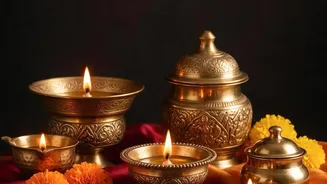
These sustainable decorations aren't just for your main entrance. You can create smaller rangoli designs near your home temple or pooja corner. Floating flower petals and a few lit diyas in a brass urli or a shallow bowl of water can make a stunning centrepiece for a coffee table or dining area. Garlands made from fresh marigolds and mango leaves can be draped over doorways and windows, adding natural fragrance and festive charm throughout your home while completely avoiding plastic.