


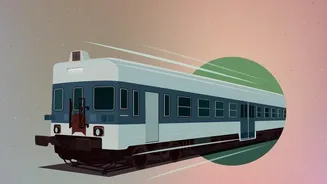
A New Connection on a Scenic Route
Indian Railways has recently approved a new daily express service connecting Mumbai's Chhatrapati Shivaji Maharaj Terminus (CSMT) with Sawantwadi Road in southern Konkan. This service is poised to benefit a wide range of travellers, from tourists and
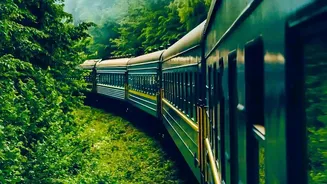
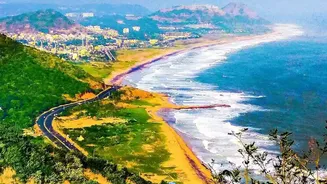
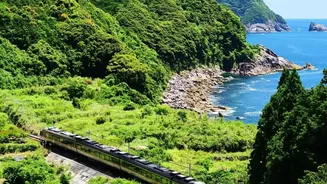
students to daily commuters and business people, by enhancing connectivity across key towns like Panvel, Roha, Ratnagiri, and Kankavli. The introduction of another daily train is a clear positive, offering more options and flexibility. However, it operates within a complex and challenging system. While the new train adds capacity, it doesn't magically shorten the hours spent on what is arguably one of India's most beautiful and difficult railway lines. The real story of journey times here is written not by new timetables alone, but by the very geography and infrastructure of the Konkan coast.
The Single-Track Reality
The primary reason Konkan Railway journeys often take longer than expected is a simple, unavoidable bottleneck: most of the 740-kilometre route is a single-line track. This means trains travelling in opposite directions cannot pass each other freely. Instead, one train must pull into a designated loop line at a station and wait for the other to pass, a process known as a crossing. With an average of over 50 passenger trains and 17 goods trains running daily, these stops add up, creating a cascade of delays. Even a minor delay to one train can have a ripple effect on several others. Konkan Railway has been working on doubling the track in phases, with sections like Roha-Veer already complete. However, doubling the entire length of a route that features over 2,000 bridges and 91 tunnels is a monumental engineering and financial challenge. Until that happens, the single-track reality will continue to be the main regulator of speed.
Wrestling with Mother Nature
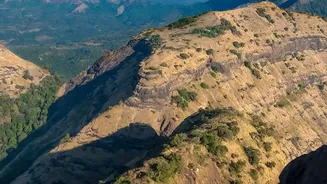
The Konkan coast's stunning monsoon beauty comes with a significant operational cost. The region’s heavy rainfall, hilly terrain, and soft soil make it prone to landslides, waterlogging, and boulder falls. To ensure passenger safety, Konkan Railway implements a special monsoon timetable from June to October each year. During this period, maximum permissible speeds are significantly reduced, sometimes from 120 km/h down to 75 km/h or even 40 km/h in sections with low visibility. Extensive pre-monsoon safety works, such as cleaning drains, reinforcing cuttings, and intensive patrolling, are essential but can also cause delays even before the rains begin. While these measures are non-negotiable for safety, they add a seasonal, but substantial, variable to the total journey time, something passengers must factor in for nearly half the year.
The Path to a Faster Future
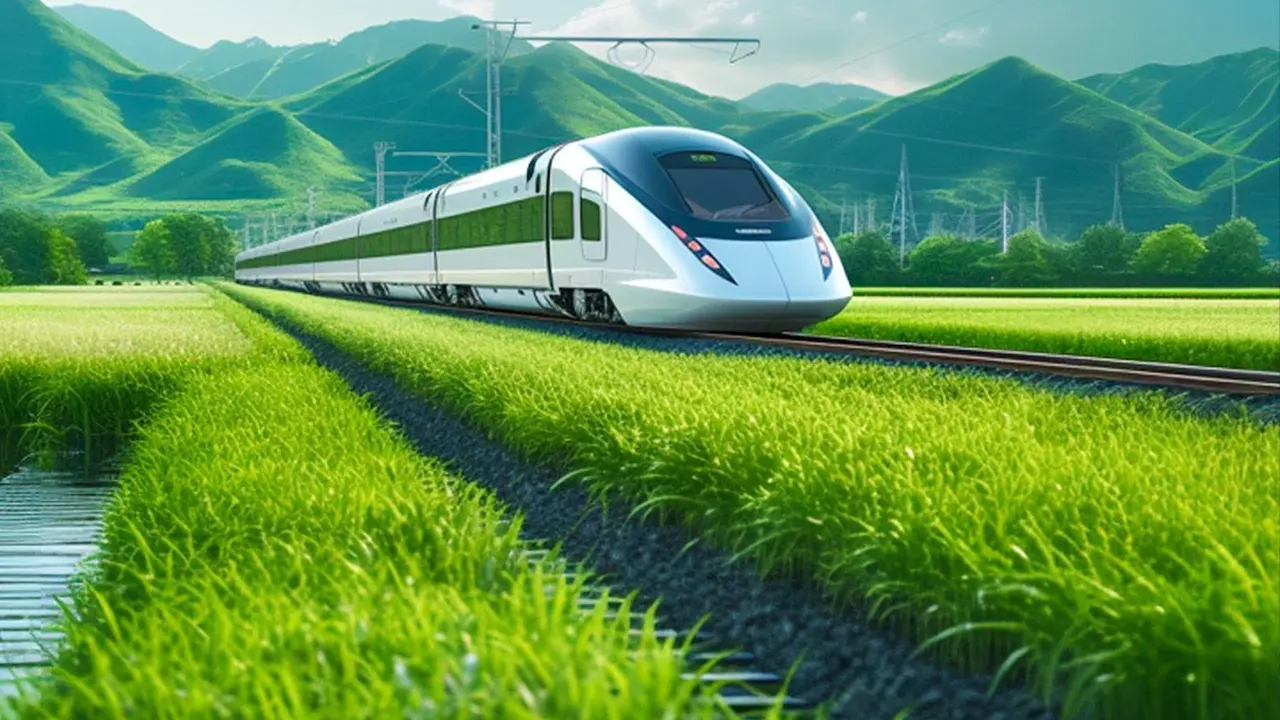
Despite the challenges, the future of Konkan travel is getting brighter and faster, albeit slowly. The full electrification of the entire 740-km route, completed in 2022, was a major milestone. This move reduces reliance on diesel, lowers operating costs, and improves efficiency, as electric locomotives offer better acceleration. The most crucial long-term solution, however, remains track doubling. Ambitious plans are underway, with detailed project reports being prepared for hundreds of kilometres of the route. By creating a two-lane highway for trains, doubling will eliminate the time lost waiting for crossings, allowing for more services and drastically improving punctuality. These projects, combined with adding new crossing stations and modern signalling, are the fundamental upgrades that will ultimately cut down journey times in a way that adding a single new service cannot.