







The Air You Breathe
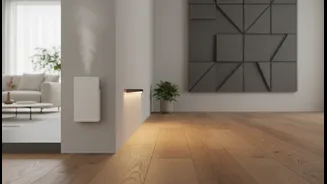
You can't see it, but the quality of your indoor air has a profound impact on your health. Common household items like paint, furniture, cleaning products, and even air fresheners can release volatile organic compounds (VOCs) into the atmosphere. These,
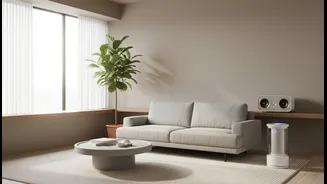
along with dust, mould, and pet dander, can contribute to a range of issues from headaches and fatigue to more serious respiratory diseases and heart conditions. Poor air quality has been linked to impaired cognitive function and can be especially harmful to children and older adults. To improve your air, start by increasing ventilation—simply opening windows daily can make a huge difference. Incorporate air-purifying plants like snake plants and peace lilies, invest in a quality air purifier with a HEPA filter, and choose low-VOC or zero-VOC paints and furnishings whenever possible.
The Light That Guides You
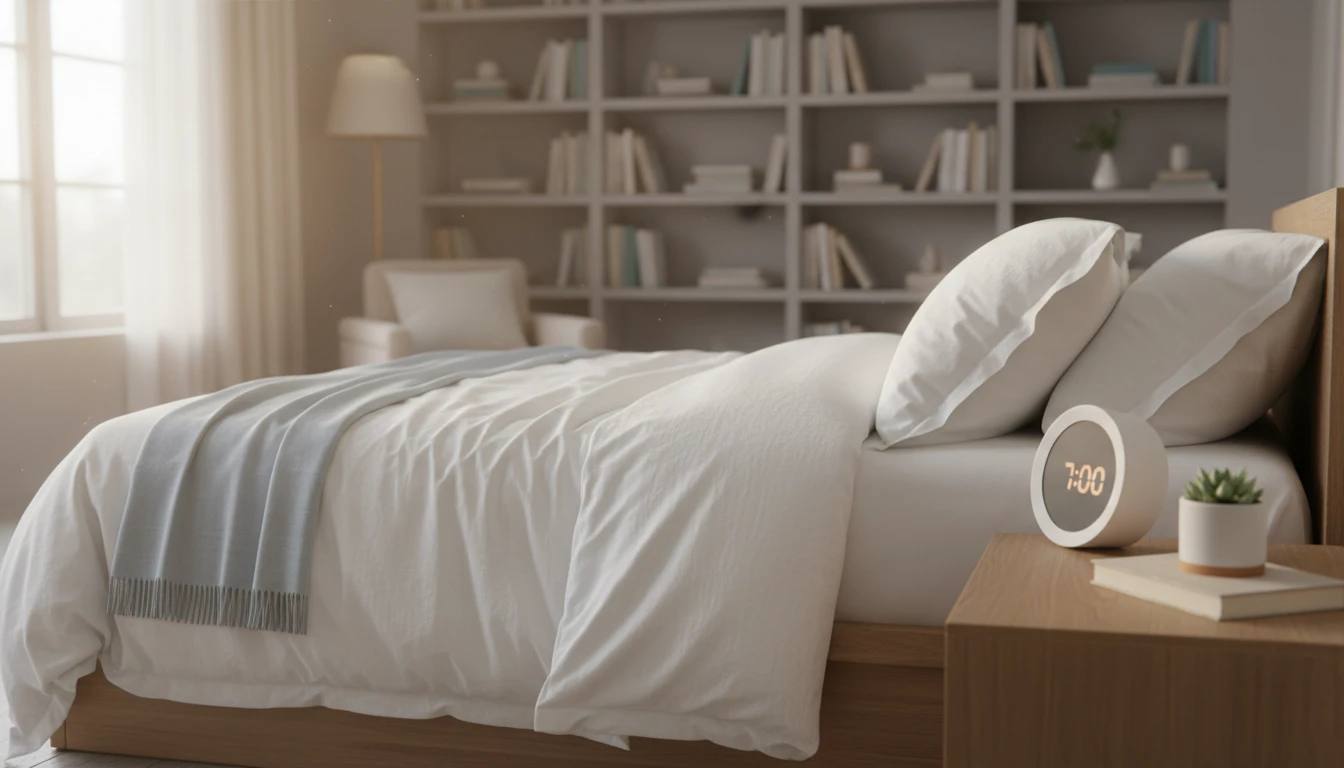
Light is one of the most powerful, yet overlooked, influences on our well-being. Our bodies are tuned to a 24-hour cycle called the circadian rhythm, which is regulated by light exposure. Getting bright, natural light during the day helps you feel alert and energetic, while dim, warm light in the evening signals your brain to produce melatonin, the sleep hormone. The problem is, modern life often reverses this. We spend days in dimly lit interiors and evenings bathed in the blue light from screens and bright LEDs, which can disrupt sleep patterns and affect mood. To fix this, maximize natural daylight by keeping curtains open and placing workspaces near windows. In the evening, switch to warm-toned bulbs (2700K is ideal) and use dimmers to create a relaxing atmosphere that prepares your body for a restful night's sleep.
The Sounds You Hear
Constant, low-level noise from traffic, neighbours, or even humming appliances can keep your nervous system in a subtle state of high alert, making it difficult to relax and focus. Poor acoustics, where sound bounces off hard surfaces like bare walls and floors, creates an echo that can make conversations feel strained and the environment chaotic. This isn't just an annoyance; it's a source of chronic stress. The solution is to introduce soft, sound-absorbing materials. Thick rugs, heavy curtains, and upholstered furniture are excellent at dampening noise. Bookshelves filled with books are surprisingly effective sound absorbers. You can also consider adding decorative acoustic panels or even large plants, which help to break up and absorb sound waves, creating a calmer, more serene sanctuary.
The Clutter You Don't Notice
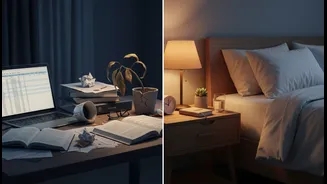
We often become blind to the clutter that accumulates around us, but our brains still register it. A disorganised environment bombards the mind with excessive stimuli, making it difficult to focus, process information, and relax. Research has shown that living in a cluttered space can increase levels of the stress hormone cortisol, leading to feelings of anxiety and overwhelm. It creates a subtle, persistent feeling that your work is never done. The goal isn't extreme minimalism, but creating a sense of order. Start small by decluttering one drawer or shelf at a time. Create defined zones for different activities to prevent items from bleeding into every space. An organised home gives your mind a break, fostering a sense of control and calm that is essential for restoration.
The Water You Use
The water that comes from our taps is crucial for drinking, cooking, and cleaning, but its quality can vary. Even municipal water that meets regulatory standards can pick up contaminants from aging pipes, while private well water can contain minerals or bacteria. Issues can range from hard water that damages appliances and dries out skin to the presence of chlorine, heavy metals, or other impurities that affect taste and long-term health. Unpleasant taste or odour can also discourage you from drinking enough water. Getting your water tested is an important first step to identify any potential issues. Depending on the results, a simple countertop filter pitcher or a more comprehensive whole-house filtration system can ensure the water you and your family rely on is clean, safe, and pleasant to drink.