




A Smart Sticker for Your Skin
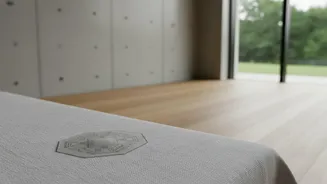
Imagine a small, flexible patch, not much bigger than a bandage, that you stick to your arm. This isn't science fiction; it's the reality of smart skin patches. These devices are wearable biosensors designed to continuously monitor your body's hydration
levels. Unlike fitness trackers that estimate water needs based on activity, these patches analyze what’s actually happening in your body by directly sampling your sweat. They integrate with apps on your smartphone or smartwatch, providing real-time data and alerts that tell you precisely when and what to drink. Several companies, like Nix Biosensors and Epicore Biosystems, have developed these patches, which are already being used by elite athletes and in industrial settings to enhance safety and performance.
The Science of Analyzing Sweat
So, how does a simple patch perform such a complex analysis? The magic lies in a combination of microfluidics and advanced sensors. Microfluidics involves tiny, engineered channels that passively collect and guide sweat as it emerges from your skin. As the sweat flows through these channels, it passes over miniature electrochemical sensors. These sensors are specifically designed to detect and measure the concentration of certain substances, known as biomarkers, in the sweat. An electrical signal is produced based on the levels of these biomarkers, which is then transmitted wirelessly via Bluetooth to a paired device. This allows for continuous, non-invasive monitoring without the need for any needles or lab visits.
Why Sodium Is the Critical Marker
While sweat contains many substances, sodium is the most critical electrolyte to track for hydration. Sodium plays a vital role in maintaining fluid balance in your body. When you sweat, you lose both water and sodium. If you only replace the water, you can dilute the sodium levels in your blood, a dangerous condition called hyponatremia. Conversely, losing too much sodium without adequate replacement can lead to cramps, fatigue, and severe dehydration. Sweat sodium concentration varies dramatically from person to person. By tracking your personal sodium loss in real time, the patch can provide truly personalized advice, recommending not just when to drink, but whether you need water or a specific electrolyte beverage to stay in balance.
Beyond the World of Elite Sports
While professional athletes and sports teams were the first to adopt this technology, its applications are far broader. In a country like India, with its hot climate and physically demanding jobs, smart patches could be a game-changer for workplace safety. Industrial workers, construction labourers, and firefighters are all at high risk of heat-related illnesses. A simple patch could alert them to rehydrate before their cognitive function or physical safety is compromised. The technology also holds promise for the military and in healthcare, where it can be used to monitor post-surgical patients, the elderly, or those with chronic conditions who are susceptible to dehydration.
The Future of Personalized Hydration
Currently, most advanced sweat-analyzing patches are used in professional, industrial, or research settings. However, as the technology becomes more affordable and user-friendly, it's expected to become widely available to consumers. The global market for these patches is projected to grow significantly, indicating a strong move toward commercialization. Some products are already available for purchase by endurance athletes, while others are integrating similar sensor technology into smartwatch bands. The ultimate goal is to move hydration from a reactive guessing game to a proactive, data-driven habit. These smart patches represent a significant step toward a future where personalized health insights are accessible to everyone, right on their own skin.