
The Ancient Art of Lacto-Fermentation
This method of oil-free pickling is known as lacto-fermentation. Despite its name, it has nothing to do with dairy. The "lacto" refers to Lactobacillus, a type of beneficial bacteria that is naturally present on the surface of vegetables. When you submerge
vegetables in a simple saltwater brine, you create the perfect environment for these good bacteria to thrive while suppressing the harmful bacteria that cause spoilage. The process is beautifully simple: the Lactobacillus bacteria consume the natural sugars in the vegetables and convert them into lactic acid. This lactic acid acts as a natural preservative, safeguarding the vegetables and giving them their characteristic tangy flavour, much like sauerkraut or kimchi.
A Boost for Your Gut Microbiome
The primary benefit of lacto-fermentation is the creation of probiotics—live beneficial bacteria that support a healthy gut. Unlike most commercially available pickles that use vinegar and heat, which destroys all bacteria, this raw fermentation process keeps the beneficial microbes alive. A healthy gut microbiome is linked to improved digestion, a stronger immune system, and even better overall wellness. Regularly including a small serving of fermented foods in your diet can help increase the diversity of good bacteria in your gut. It’s a simple, natural way to add a functional, health-supporting food to your daily meals.
Why No Oil? Understanding the Difference
In many traditional Indian pickles, oil serves a crucial function: it acts as a preservative by creating a barrier that seals off the ingredients from air, preventing spoilage. While delicious, this often requires a significant amount of oil. In lacto-fermentation, the preservative role is filled entirely by the lactic acid produced during the fermentation process. Salt is the other key player. It not only draws water out of the vegetables to create the brine but also creates a selective environment that allows only the beneficial Lactobacillus bacteria to multiply. This means you get a perfectly preserved, crunchy pickle without needing any oil or artificial preservatives, relying instead on a natural biological process.
Getting Started with Oil-Free Pickling at Home
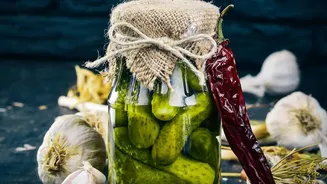
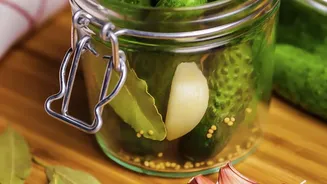
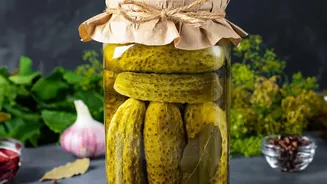
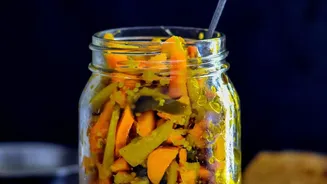
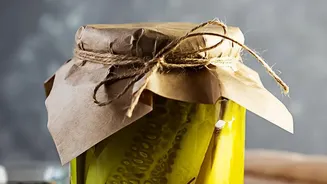
Making your own oil-free pickles is surprisingly easy and requires minimal equipment. All you need are vegetables, pure sea salt (without iodine or anti-caking agents), filtered water, and a clean glass jar. The basic process involves chopping your vegetables, placing them in the jar, and covering them completely with a saltwater brine. The key is to keep the vegetables submerged under the liquid to maintain an oxygen-free environment, which is essential for the right bacteria to do their work. You can use a small weight to keep them down. Then, you simply seal the jar and let it sit at room temperature for several days to a week. You'll start to see bubbles, a sign that fermentation is underway.
Flavorful, Crunchy, and Versatile
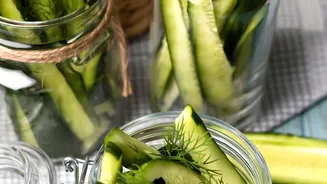
Almost any sturdy vegetable can be fermented. Carrots, cauliflower, beets, green beans, radishes, and cabbage are all excellent candidates. You can also add your own flavourings like garlic, ginger, peppercorns, or chilli flakes to the brine. The resulting pickles are not just salty but have a complex, tangy, and deeply savoury flavour that is more nuanced than their vinegar-based counterparts. They retain a satisfying crunch because the salt helps preserve the pectin in the vegetables. These fermented vegetables are a fantastic addition to salads, sandwiches, and rice bowls, or simply enjoyed as a healthy, tangy snack on their own.