
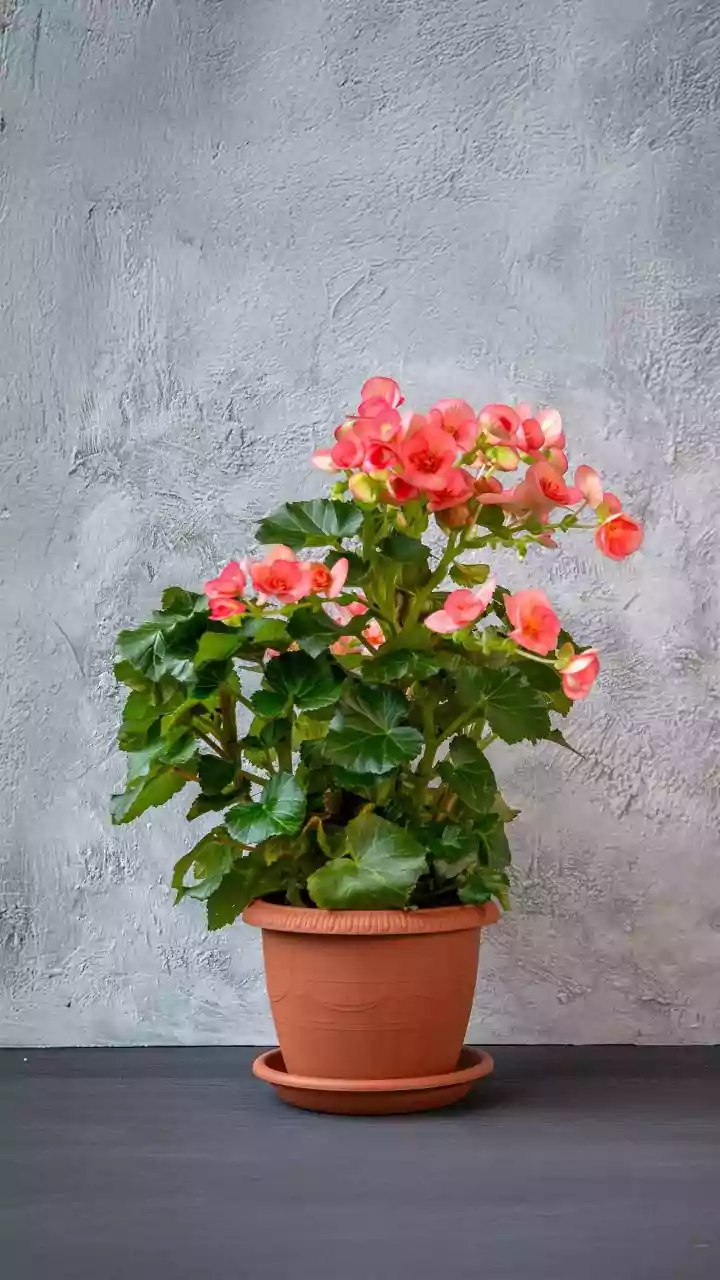
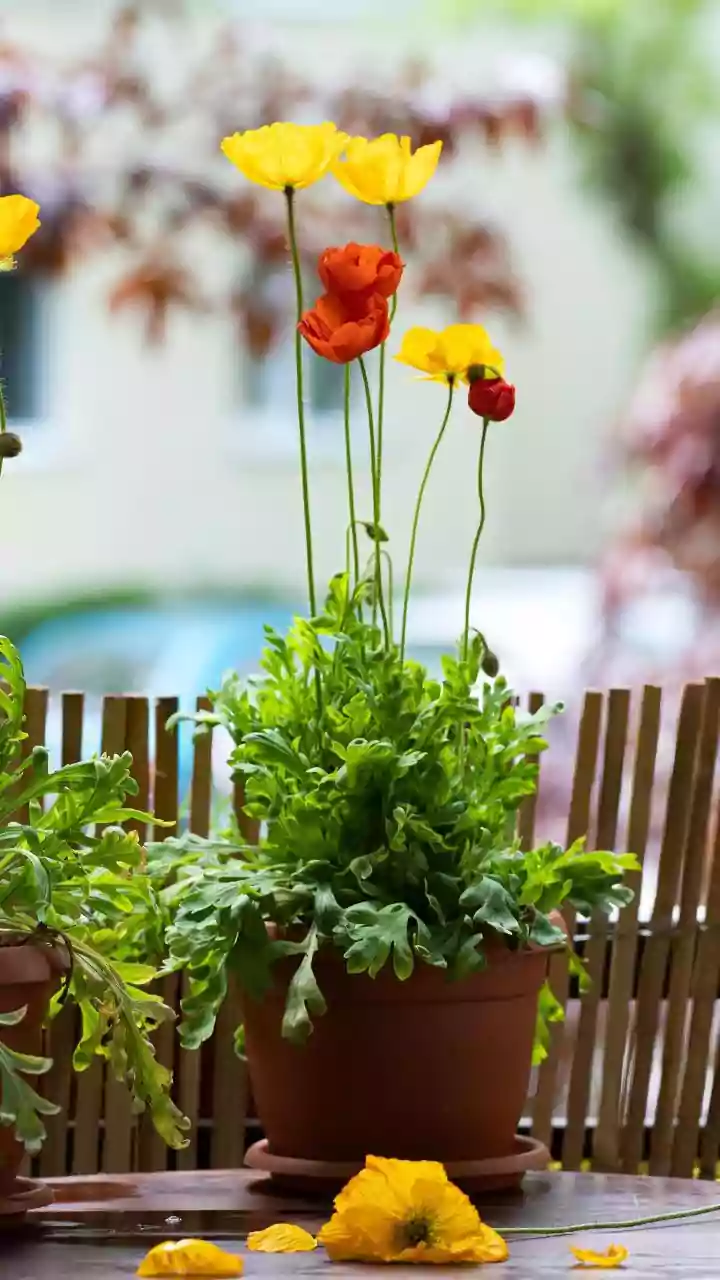


As winter settles in, balconies can often look grey and forgotten. But they don't have to. With two hardy and beautiful flowers, pansies and sweet alyssum, you can create a vibrant and fragrant oasis that thrives in India's cooler months.
The Perfect Winter Pair
Pansies and sweet
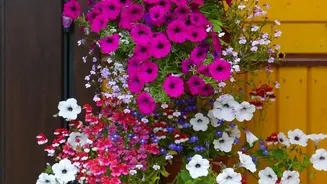
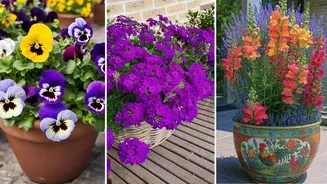
alyssum are a classic combination for winter container gardening for good reason. Pansies, with their iconic, colourful 'faces' in shades of purple, yellow, blue, and white, are built for the cold. They are considered one of the best winter flowers for Indian gardens, thriving in the cooler temperatures from November to February. Sweet alyssum is the perfect companion. It produces dense clusters of tiny, fragrant white or pastel flowers that create a soft, cascading effect. While pansies provide the bold pops of colour, alyssum acts as a 'spiller', gracefully tumbling over the edges of pots and filling in gaps with its delicate texture. Both plants prefer cooler weather and have similar care needs, making them easy to manage together.
Choosing Pots and Soil
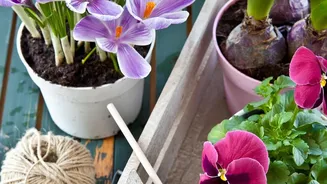
Success starts with the right foundation. Both pansies and sweet alyssum have relatively shallow roots and despise sitting in waterlogged soil, so excellent drainage is non-negotiable. Choose containers that are at least 15-20 cm deep with plenty of drainage holes. If you live in an area with frost, opt for freeze-proof plastic or glazed ceramic pots, as traditional terracotta can crack. For the growing medium, a light, well-draining potting mix is ideal. You can improve drainage further by mixing in about 20% grit or perlite. Using fresh, high-quality potting soil amended with compost will provide the rich environment these winter bloomers need to flourish.
Planting for a Full Display
In most parts of India, the ideal time to plant pansy and alyssum saplings is from late September to November, once the nights begin to cool down. Before planting, give your nursery-bought plants a good watering. When arranging them in your container, a popular design technique is 'thriller, filler, spiller'. In this case, your pansies are the 'filler'—the main block of colour. Place sweet alyssum along the edges of the pot to act as the 'spiller'. Don't overcrowd the plants; space pansies about 15 cm apart to give them room to grow. Plant them at the same depth they were in their nursery pots, ensuring the top of the root ball is level with the soil surface to prevent stem rot. After planting, water them in well to help the roots settle.
Sunlight, Water, and Winter Care
Place your containers in the sunniest spot on your balcony. Winter sun is less intense, and these flowers need at least 4-6 hours of direct sunlight to produce abundant blooms. Watering is critical but must be done carefully. Overwatering is a common mistake in winter. Check the soil by hand; water only when the top inch feels dry. It's best to water in the morning so the plants aren't sitting in cold, wet soil overnight. To keep the flowers coming, feed them every two to three weeks with a balanced liquid fertiliser. Regularly 'deadhead' or pinch off spent flowers from your pansies. This simple step prevents the plant from setting seed and encourages it to produce new blooms, extending the flowering season right through to March.