




A Cosmic Fireworks Display
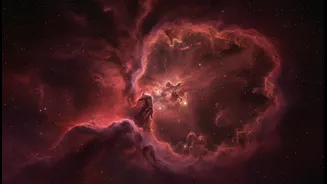
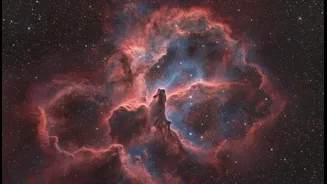
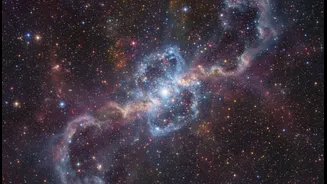
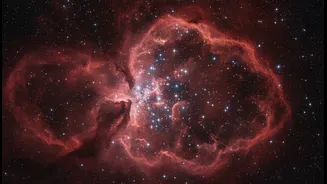
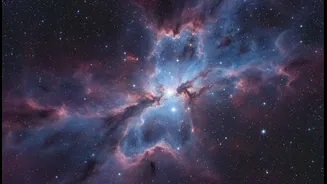
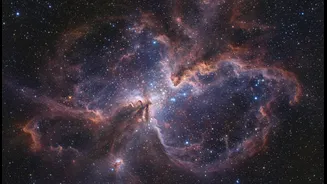
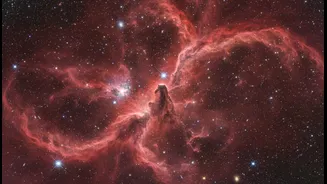
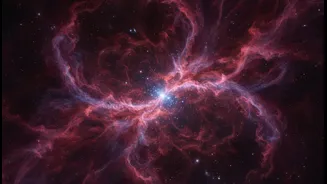
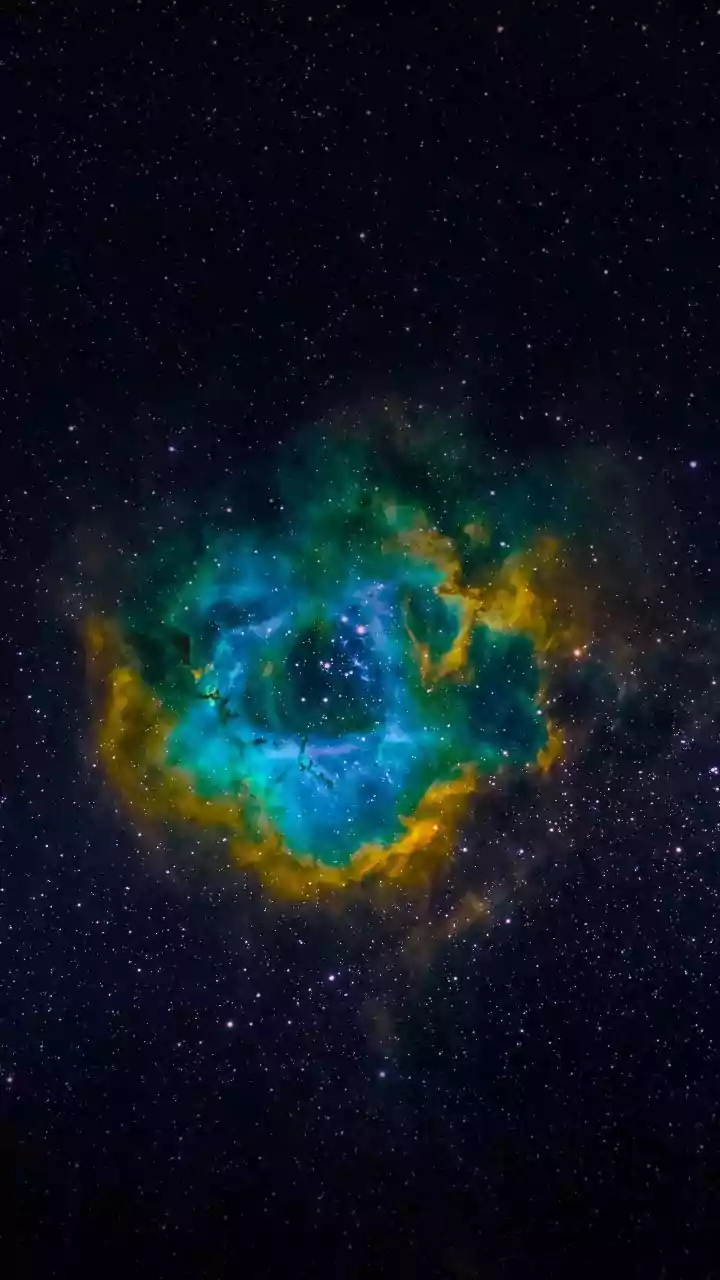
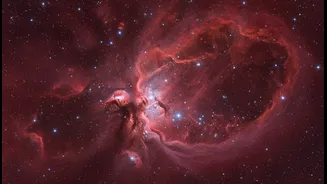
The images causing a stir come from NASA's Hubble Space Telescope and feature a stellar nursery known as LH 95. Located in the Large Magellanic Cloud, a dwarf galaxy that orbits our own Milky Way, this region is a bustling maternity ward for stars. Like
fireworks bursting against a smoky sky, thousands of young, bright stars are seen scattered across a vast backdrop of glowing red gas. The sheer beauty is captivating, but what excites astronomers is the chance to study a thriving population of stars at different stages of their infancy, all in one place.
The Science Behind the Crimson Glow
That spectacular crimson colour is not just for show. The nebula's red glow is caused by what is called hydrogen-alpha emission. Massive young stars within the nursery emit intense ultraviolet radiation. This energy heats the surrounding hydrogen gas, causing it to glow in a specific, vibrant shade of red. This crimson light is a tell-tale sign of active star formation, acting like a cosmic beacon that tells astronomers, “Look here, new stars are being born!”. While the images are processed to highlight different features, the red colour represents longer wavelengths of light, including near-infrared, which are key to understanding these stellar nurseries.
More Than Just a Pretty Picture
LH 95 is home to an estimated 2,500 young stars that have not quite started their main life phase. These “pre-main-sequence stars” have formed from collapsing clouds of gas and dust but have yet to begin the process of nuclear fusion in their cores. By studying them, scientists are gaining crucial insights into stellar evolution. For instance, observations confirmed that as these young stars age, the rate at which they gather material from their surrounding dusty disks slows down. However, the study also revealed that this accretion process can last for millions of years, longer than some previous models had assumed, refining our understanding of how stars grow.
A Story of Many Generations
One of the most fascinating discoveries within LH 95 is that different generations of stars exist side-by-side. This indicates that star formation in the region is not a single event but a continuous process happening over an extended period. In fact, astronomers have identified what appear to be at least two chemically distinct populations of stars. The most massive star in the nursery is about a million years younger than its neighbours, suggesting it belongs to a more recent wave of star birth. This layered history provides a unique laboratory for understanding the life cycles of stars and the dynamic environments that create them.