






The Shifting Power of Streaming
Not long ago, Over-the-Top (OTT) platforms were seen as the ultimate saviours of independent cinema. They offered a space for films that couldn't compete with the massive marketing budgets of mainstream blockbusters. For a time, producers of smaller films could secure
profitable deals, sometimes recovering their entire budget through a direct-to-digital sale. However, the landscape has changed. As streaming platforms have matured, they've become more selective, favouring star-studded projects or films that have already generated buzz. This has made it increasingly difficult for lesser-known movies to secure lucrative direct-to-OTT deals, pushing producers to re-evaluate their release strategies.
Theatrical Release as a Stamp of Legitimacy
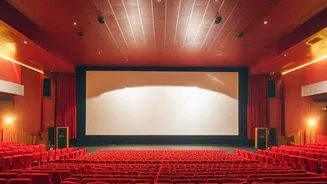
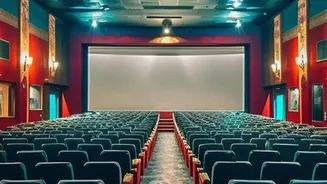
In a crowded digital marketplace, a theatrical run—however limited—acts as a powerful seal of approval. It signals to both audiences and industry executives that a film is a significant cultural event, not just another piece of content in a vast streaming library. This perception is critical. A cinema release separates a film from the deluge of digital-only movies, giving it a level of prestige and visibility that is hard to achieve otherwise. Even a run on a handful of screens can generate vital word-of-mouth and media coverage, creating a ripple effect that builds momentum for its eventual digital release.
The New Economics of Film Distribution
Perhaps the most compelling reason for a theatrical release is purely economic, but not in the way you might think. For many small films, the box office revenue itself isn't the primary goal; it's a tool for leverage. Many streaming platforms now peg the acquisition price of a film to its theatrical performance. A theatrical run, even a modest one, demonstrates a producer's confidence and validates audience interest. This can lead to significantly better offers for satellite and digital rights. A producer might spend a few lakhs to release a film on a limited number of screens, not to make a profit from tickets, but to increase the film's valuation by crores for its subsequent sale to an OTT service.
Fostering Discovery and Community
The cinema offers a unique, distraction-free environment that is crucial for discovery. Audiences are more likely to be fully immersed in a story without the interruptions of home viewing, allowing a powerful narrative or a standout performance to truly resonate. This focused experience is a catalyst for genuine word-of-mouth, which remains the most potent marketing tool for independent films. Furthermore, cinemas, particularly in Tier-2 and Tier-3 cities, remain vital community hubs. For many, going to the movies is a primary form of entertainment, providing a lifeline for films that might get lost on the algorithm-driven interface of a global streaming platform.
A Future Built on Partnership
The debate is no longer about theatres versus OTT. Instead, the industry is moving towards a hybrid model where both platforms coexist and, ideally, amplify each other. The theatrical window—the period of exclusivity before a film moves to streaming—is a key part of this strategy. A delayed digital release can build anticipation and, as seen with films like '12th Fail', a long and successful theatrical run can create a massive wave of interest that carries over to its streaming premiere. The cinema is evolving from a film's final destination to its most powerful launchpad, setting the stage for a longer and more profitable life across multiple platforms.