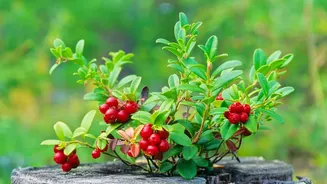




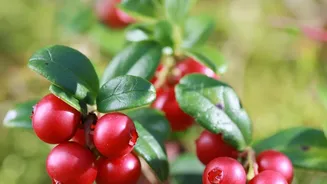
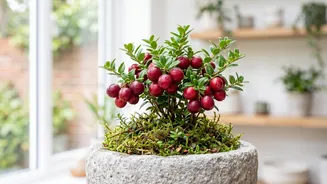
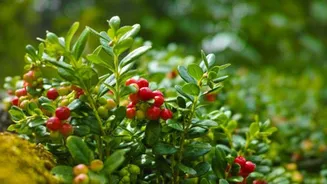
The Right Pot and Acidic Soil
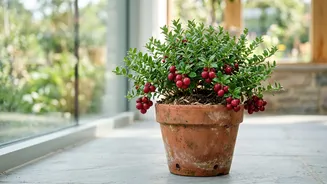
Your journey begins with the proper foundation: the pot and soil. Cranberries have shallow roots and need a container at least 12 inches deep to allow for healthy growth. Most importantly, the pot must have excellent drainage holes to prevent waterlogging,
which is fatal to the roots. Cranberries are acid-loving plants, demanding a soil pH between 4.0 and 5.5. Standard potting soil won't work. Create your own mix using sphagnum peat moss, which is naturally acidic, blended with sand or perlite to ensure the mixture holds moisture while also draining well. You can find potting mixes specifically formulated for acid-loving plants like azaleas, which serve as a great base.
Mastering Moisture and Drainage
While cranberries grow in bogs, this is a bit of a misconception for home gardeners. They love consistent moisture but hate 'wet feet' caused by stagnant water. The goal is to keep the soil evenly moist but not saturated. Water the plant thoroughly, allowing the excess to escape through the drainage holes. A good rule of thumb is to water deeply about once a week, or more frequently in hot, dry conditions, giving the plant about one to two inches of water. Always check the top layer of soil; if it feels dry to the touch, it's time to water again. A self-watering pot or a drip irrigation system can be excellent tools to help maintain this delicate balance without overdoing it.
Creating a Humid Microclimate
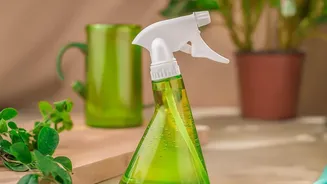
Native to boggy environments, cranberries thrive in higher humidity, which can be a challenge indoors, especially during winter when heating systems dry out the air. To solve this, you can place the pot on a tray filled with pebbles and water. As the water evaporates, it will create a small pocket of humidity around the plant. Ensure the bottom of the pot sits on the pebbles and not directly in the water to avoid root rot. Misting the plant's leaves with a spray bottle every few days can also help replicate the moist air it loves. Grouping it with other houseplants can also raise the ambient humidity in the immediate area.
Light, Temperature, and Chilling
Cranberries need full sun to flourish and produce fruit. Place your container near a south-facing window where it can receive at least six hours of direct sunlight each day. If you lack sufficient natural light, a grow light is a necessary investment. For fruit production, cranberries have a crucial 'chilling requirement'. They need a period of cold temperatures to break dormancy and set buds for the following season. This means the plant needs to experience around 650 to 1,500 hours of temperatures below 7°C (45°F). You can achieve this by moving the pot to an unheated garage, a protected porch, or even a cold basement for the winter months once the plant has gone dormant.
Choosing a Variety and Long-Term Care
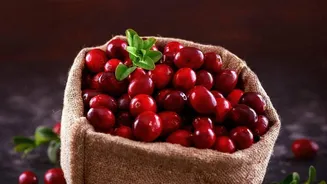
Not all cranberry varieties are created equal for container gardening. Compact or less vigorous varieties like 'Pilgrim' or 'Stevens' are popular choices. 'Stevens' is known for being disease-resistant and a reliable producer, while 'Pilgrim' also performs well in containers. Fertilize sparingly in the early spring with a formula designed for acid-loving plants, such as one for rhododendrons or blueberries. Be careful not to over-fertilize, which can encourage excessive vine growth at the expense of fruit. It typically takes two to three years for a plant to mature enough to produce a harvest. With patience and attention to their unique needs, you'll be on your way to enjoying your very own home-grown cranberries.