




A Major Shift in Passenger Safety
For years, travel insurance on train journeys was a privilege reserved for those who booked their tickets online. Passengers who purchased tickets from physical counters were left without this option. Following a landmark directive from the Supreme Court
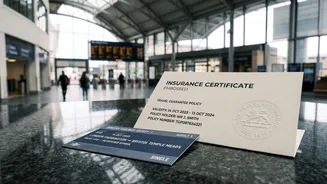
of India, this disparity is ending. From October 27, 2026, travel insurance will be mandatorily included for all tickets sold at railway counters across the country. This decision was prompted by a desire to provide uniform safety and financial protection to all passengers, regardless of how they buy their ticket, particularly after events highlighted the need for robust safety nets. The Railway Board is now responsible for implementing this crucial change, which will benefit millions of travellers.
What It Covers: More Than Just Accidents
The primary purpose of this insurance is to provide a financial cushion in case of unforeseen events during your journey. The coverage is extensive and applies to incidents like train accidents and collisions. It also includes what are termed 'untoward incidents', a category that covers events like terrorist acts, dacoity, riots, or violent attacks during the train journey. The policy covers you from the actual departure to the actual arrival of the train, including the process of boarding and de-boarding. However, it's important to note that certain events, like accidents that occur while illegally crossing railway tracks or injuries resulting from a breach of law with criminal intent, are generally not covered.
The Financial Protection You Get
The financial coverage provided by this insurance is significant, especially when compared to its low cost. Based on the existing scheme for online tickets, which is expected to be the model for this new mandate, the coverage is substantial. In the unfortunate event of death or permanent total disability resulting from a covered incident, the policy provides compensation of ₹10 lakh. For permanent partial disability, the coverage is up to ₹7.5 lakh. Additionally, the policy includes benefits for injuries requiring medical attention, with up to ₹2 lakh for hospitalization expenses. There is also a provision of ₹10,000 for the transportation of mortal remains. This financial support can be invaluable for families affected by a tragedy during travel.
Cost and Eligibility
For online bookings, this comprehensive insurance comes at a remarkably low cost—currently just 45 paise per passenger. While the final premium for counter tickets is yet to be officially announced by Indian Railways, it is expected to be similarly nominal. This mandatory, low-cost approach ensures that financial protection is accessible to everyone. The scheme is applicable to all Indian citizens holding a valid ticket. It is important to note that children below the age of five are typically not covered under this insurance scheme. The liability and claim settlement rest directly with the designated insurance companies, not with IRCTC or Indian Railways.
How the Claim Process Will Work
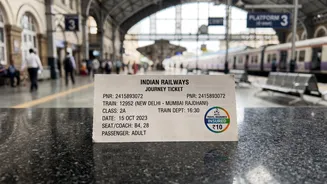
While the exact mechanism for counter-ticket holders will be clarified by the railways, the claim process is expected to mirror the one used for online tickets. In the event of an incident, the insured passenger, their nominee, or their legal heir must file a claim with the designated insurance company. This typically involves submitting a duly filled claim form along with necessary documents. These documents can include the railway ticket, identity proofs, medical reports from the hospital, and in case of death, a post-mortem report and other relevant legal documents. The claim must usually be filed within a few months of the incident. Once the new system is active, details of the insurance provider will likely be printed on the ticket or made available through railway enquiry channels.