









Pay Yourself First, Not Last
The most effective way to avoid running out of money is to make saving a non-negotiable expense. Most people save what's left after spending; the financially savvy spend what's left after saving. The moment your salary hits your account, automatically
transfer a set portion—ideally at least 20%—into a separate savings or investment account. Treating savings like the first and most important bill you have to pay ensures you are consistently building your financial cushion. Automating this process makes it effortless and removes the temptation to spend that money on other things.
Adopt a Simple Budgeting Rule
Budgeting doesn't need to be complicated. A popular and effective framework is the 50/30/20 rule. This strategy suggests allocating your after-tax income into three categories: 50% for 'Needs', 30% for 'Wants', and 20% for 'Savings'. Needs are your essential, non-negotiable expenses like rent or home loan EMIs, groceries, utility bills, and transportation. Wants cover discretionary spending that enhances your lifestyle but isn't critical, such as dining out, shopping, entertainment, and travel. The final 20% is dedicated to savings, investments, or paying off high-interest debt. While these percentages are a guideline and can be adjusted for high-cost cities, they provide a clear structure for your money.
Become an Intentional Spender
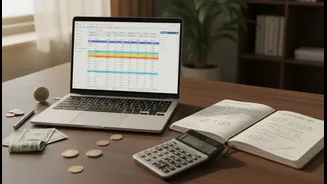
The key to staying ahead is knowing exactly where your money is going. Start tracking your expenses meticulously, either with a dedicated app, a spreadsheet, or a simple notebook. This practice shines a light on spending patterns you might not be aware of, like frequent food delivery orders or multiple small, impulsive purchases that add up significantly. Once you have a clear picture, you can identify areas to cut back. Creating friction before you buy can also be powerful; try leaving items in your online shopping cart for a day or two before purchasing to see if you still really want them.
Conduct a Mid-Month Financial Check-In
Don't wait until the last week of the month to review your finances. Schedule a quick, 15-minute financial check-in around the 15th of every month. Review your bank and credit card statements to see how your spending aligns with your budget. Are you on track, or are your 'Wants' getting out of hand? This mid-point review gives you ample time to adjust your spending for the remainder of the month. If you’ve overspent in one area, you can consciously decide to cut back elsewhere, preventing that stressful month-end scramble.
Plan to Reduce Your Biggest Variable Costs
For most households, food and transportation are two of the largest variable expenses. Tackling these can free up a surprising amount of cash. Meal planning is a game-changer; planning your meals for the week helps you create precise shopping lists, reduce impulse buys at the grocery store, and cut down on expensive food delivery orders. Similarly, evaluate your transportation costs. Can you use public transport more often, carpool with colleagues, or combine errands into fewer trips to save on fuel? Small, consistent changes in these areas can lead to big savings.
Build a Small Emergency Buffer
One of the main reasons people run out of money is unexpected expenses. A car repair or a minor medical issue can derail an entire month's budget. To combat this, focus on building a small emergency fund separate from your regular savings. Start by saving even a modest amount, with the initial goal of having enough to cover one month's essential living expenses. Having this buffer means you won't have to dip into funds meant for regular bills or go into debt when surprises occur, keeping your monthly financial plan on track.