






Why We Crave Lighter Food
The feeling is universal. The intense summer heat makes us lethargic and diminishes our appetite for a heavy meal. There’s a scientific reason for this. In hot weather, our body works to cool itself down, diverting blood flow to the skin. This can slow
down our metabolism and digestive processes. Rich, oily, and spicy foods demand more energy to digest, generating internal heat (a process called thermogenesis) that makes us feel even hotter and more sluggish. Lighter foods, on the other hand, are easier to process, keeping us feeling energetic and comfortable. This wisdom is embedded in traditional practices like Ayurveda, which advocates for a ‘Pitta-pacifying’ diet in summer, focusing on sweet, bitter, and astringent tastes found in cooling foods.
Rethinking the Masala Dabba
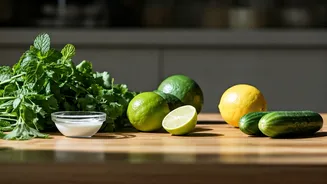
Going lighter doesn't mean abandoning the soul of Indian cooking: our spices. It simply means making smarter choices. The summer masala dabba sees a shift in its lineup. Warming spices like cloves, cinnamon, black pepper, and star anise take a backseat. In their place, cooling spices come to the forefront. Think coriander seeds, which have a refreshing quality; fennel seeds (saunf), a popular post-meal mouth freshener known for its digestive and cooling properties; and cumin (jeera), which, despite its earthy warmth, aids digestion without overly heating the body. Fresh herbs become essential. A handful of mint (pudina) or cilantro (dhania) can transform a dish, adding a burst of freshness and potent cooling benefits. Turmeric and cardamom remain staples for their anti-inflammatory and digestive properties.
Embrace the Season's Bounty
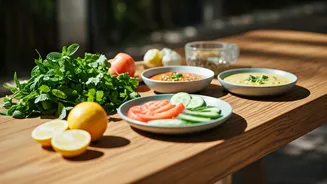
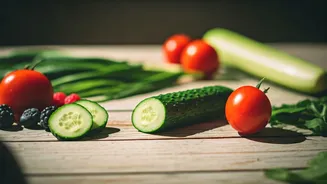
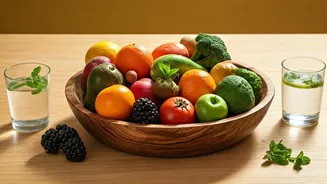
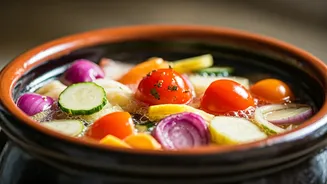
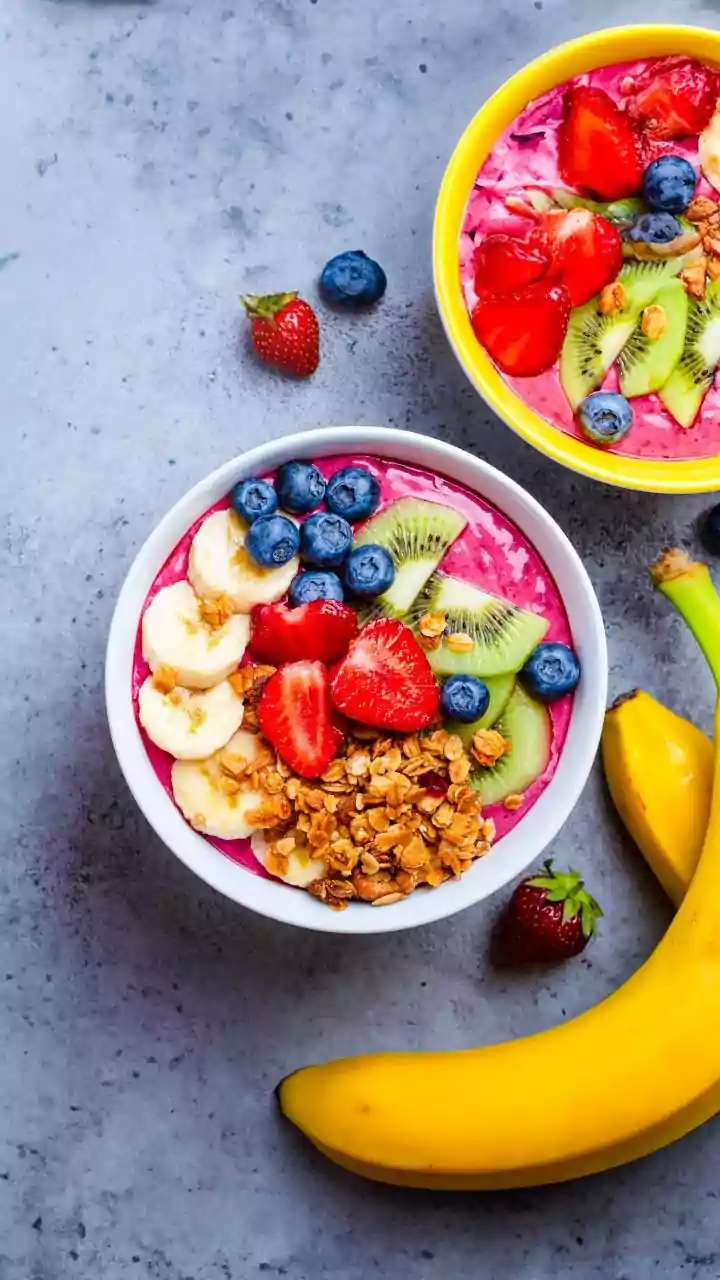
Summer in India brings an incredible array of fruits and vegetables specifically designed by nature to help us beat the heat. This is the time to celebrate gourds in all their forms—lauki (bottle gourd), tori (ridge gourd), and parwal (pointed gourd) are all over 90% water and incredibly light on the stomach. They are perfect for making simple, soupy subzis. Cucumber and kakdi become our best friends, eaten raw in salads or blended into cooling raitas. On the fruit front, while mango is king, let's not forget the hydrating power of watermelon, muskmelon (kharbuja), and lychees. Integrating these seasonal stars into your daily meals is the easiest way to keep your diet light and hydrating. A simple kachumber salad or a bowl of fruit can be a meal in itself on a particularly scorching day.
Smart Cooking Swaps
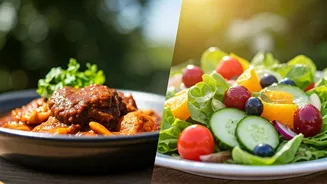
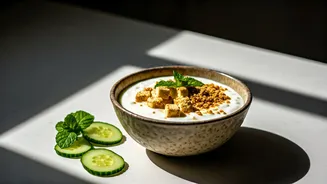
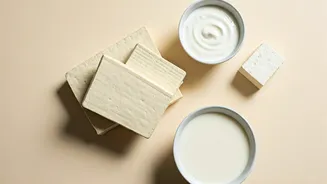
A few simple changes in the kitchen can make a world of difference. Instead of deep-frying pakoras, try grilling or air-frying vegetables. Swap heavy, cream-based gravies for lighter, tomato-and-onion bases or, even better, yoghurt-based curries like dahi kadhi. Yoghurt is a summer superstar; its probiotic nature is excellent for gut health, which can be sensitive in the heat. Replace heavy wheat rotis with lighter alternatives like jowar or ragi rotis, which are known to be more cooling. Even your dal can get a summer makeover. Opt for moong dal, which is the easiest to digest, and prepare it in a thin, soupy consistency (patli dal) rather than a thick, rich dal makhani.
Hydration is Everything
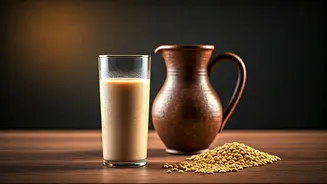
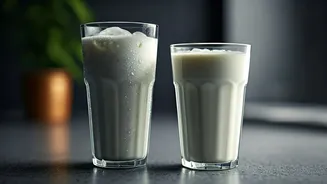
In the Indian summer, hydration is not just about drinking water—it's a delicious ritual. Traditional Indian drinks are designed to replenish electrolytes, cool the body, and aid digestion. Chaas (buttermilk) spiced with roasted cumin and mint is a digestive powerhouse. Aam panna, a tangy drink made from raw mangoes, is a brilliant remedy for heat exhaustion. Nimbu pani (lemonade), often with a pinch of black salt, restores lost salts. Others like bel sherbet and sattu sharbat are regional heroes that offer both nutrition and relief. These drinks are far more effective and healthier than carbonated soft drinks, providing natural sugars, vitamins, and minerals that your body desperately needs.