







The Un-Formal Room
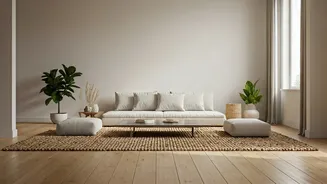
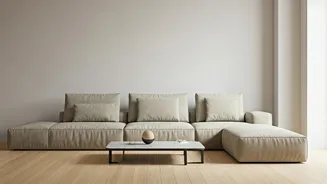
For generations, the living room—or the ‘drawing room’ in many Indian households—was a formal space designed to receive guests. It was built around a large, often expensive, sofa set that acted as the room's immovable centrepiece. This setup was perfect
for a specific, formal type of socialising. But for many millennials, that kind of entertaining is a relic of the past. Social gatherings are more casual, fluid, and often happen in a variety of spaces, not just a designated formal room. The modern living room is no longer just for show; it's for living. It’s a workspace, a yoga studio, a movie theatre, and a place to lounge. The traditional, rigid sofa configuration simply doesn’t fit this dynamic lifestyle. The move to floor seating reflects this evolution, prioritising casual comfort and communal vibes over formal presentation.
Flexibility Is the New Luxury
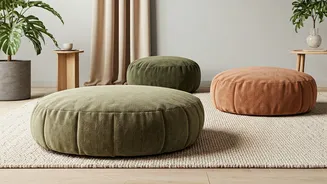
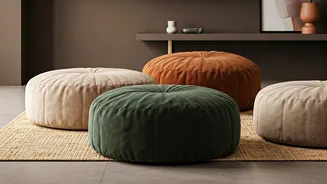
Millennials are a generation defined by mobility. They move cities for jobs, live in smaller rental apartments, and value experiences over possessions. In this context, a heavy, bulky sofa is not just a piece of furniture; it’s an anchor. It’s difficult to move, dominates a small space, and represents a significant financial commitment. Floor cushions, pouffes, and low-slung seating offer the polar opposite: ultimate flexibility. They can be stacked in a corner to create an open space for a workout, arranged in a circle for a game night, or spread out for a movie marathon. This adaptability is crucial in the multi-purpose rooms that are common in urban apartments across cities like Mumbai, Bengaluru, and Delhi. The ability to completely reconfigure a room in minutes isn't just a novelty; it’s a practical solution for making a small space work harder.
A Global Aesthetic and Wellness
This trend isn't happening in a vacuum. It’s heavily influenced by global design philosophies that have become popular through social media. The Japanese concept of ‘zaisu’ (legless chairs for floor seating) and the minimalist, functional principles of Japandi style (a hybrid of Japanese and Scandinavian design) celebrate low-level living. Similarly, the layered, bohemian look of Moroccan interiors, with their plush floor pillows and rugs, offers a rich, inviting alternative to sterile modernism. Beyond aesthetics, some proponents argue for the wellness benefits of floor culture. Sitting on the floor can engage core muscles, improve posture, and increase flexibility over time, a stark contrast to the passive slouch encouraged by many deep-cushioned sofas. It’s a way of embedding gentle, mindful movement into the everyday act of just sitting down.
The All-Important Economic Angle
We cannot ignore the simple economics at play. A good quality sofa can cost a significant amount, often running into tens of thousands of rupees or more. For a generation grappling with high rents, job instability, and the desire to save, this is a major purchase. A collection of high-quality floor cushions, large pillows, and comfortable rugs can create a stylish and functional seating area for a fraction of the cost. This isn’t just about being ‘cheap’; it’s about smart, intentional spending. By opting out of the big-ticket furniture race, millennials can allocate their money to other priorities, be it travel, education, or experiences. This approach allows them to create a comfortable and personalised home without the financial burden or long-term commitment of traditional furniture.