




A New Crater in the Making
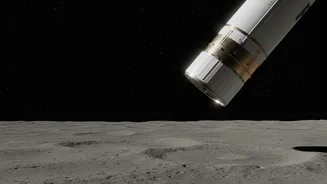
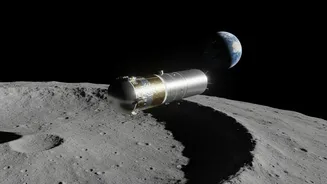
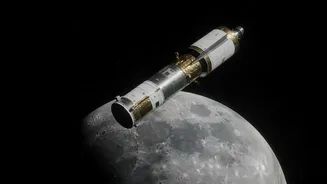
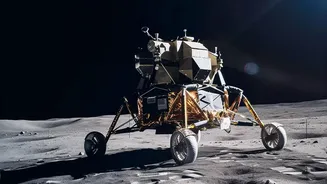
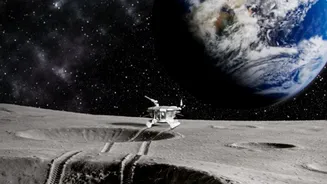
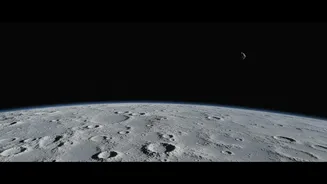
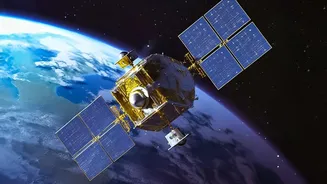
A school-bus-sized piece of a Falcon 9 rocket is on a collision course with the moon, expected to hit on August 5, 2026. This specific piece of hardware is the upper stage of a rocket that launched two lunar landers in January 2025. After completing its
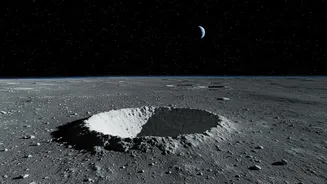
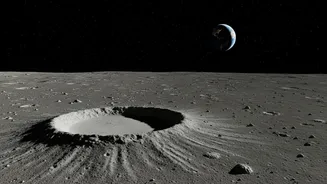
mission, it was left in a chaotic orbit where gravitational forces and solar activity eventually nudged it onto its current trajectory. Independent astronomers first identified the object's path, and NASA later confirmed a 100% chance of impact. The object is predicted to strike near the Einstein crater, creating a new crater estimated to be about 60 feet wide and 12 feet deep as it slams into the surface at roughly 5,400 miles per hour (about 8,700 km/h).
The Cosmic Detectives at Work
You might wonder how anyone can predict the impact of a relatively small object on the moon from hundreds of thousands of kilometres away. It's a testament to the growing field of Space Situational Awareness (SSA). The initial discovery and tracking were done by independent astronomers using their own software and publicly available data to compute the object's orbit. This involves taking numerous observations from ground-based telescopes to plot the object's path. Major agencies like NASA use networks of powerful radar and optical telescopes to track tens of thousands of objects in Earth's orbit and beyond. For deep space objects, the process involves tracking radio signals, measuring the time it takes for waves to bounce back, and observing tiny shifts in frequency caused by the Doppler effect.
An Unplanned Scientific Experiment
While this impact is accidental, scientists are treating it as a valuable research opportunity. Hitting the moon at such high speed will excavate a significant amount of material, blasting a plume of lunar dust and rock high above the surface. Observing this ejecta plume can provide a wealth of information about the moon's geology, including the composition of the lunar soil, or regolith, that is normally hidden from view. It's a rare chance to get a glimpse beneath the moon's surface without the expense of a dedicated lander mission. NASA and other observatories will be attempting to view the impact and subsequent plume, hoping to learn more about impact processes and the properties of the lunar surface.
A Growing Problem of Space Junk
This event highlights a growing concern: the accumulation of space debris. While this rocket stage is hitting the moon, there are thousands of defunct satellites and rocket parts orbiting Earth. As of early 2026, India alone had 129 trackable pieces of space debris from its own missions. Space agencies are increasingly focused on mitigation. India's space agency, ISRO, has announced a "Debris Free Space Mission" initiative, aiming for zero new debris from its launches by 2030. This involves designing satellites and rocket stages with the ability to de-orbit safely, burning up in Earth's atmosphere or being moved to a graveyard orbit. The management of hardware in deep space, like this lunar impactor, presents new challenges that space-faring nations are just beginning to address.
What It Means for the Future
Human-made objects have hit the moon before, including failed landers and pieces of Apollo-era rockets. What makes this event notable is how it combines the new era of commercial spaceflight with the ongoing challenge of space sustainability. As more government and private missions venture to the moon and beyond, the potential for leaving behind hardware increases. This specific impact poses no danger, but it serves as a powerful reminder. Future long-term human presence on the moon will require more careful management of our activities to avoid turning the lunar landscape into a permanent junkyard and to ensure the safety of future explorers and infrastructure.