




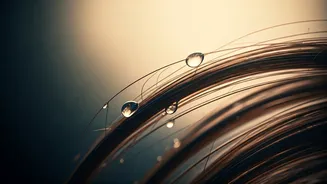


Why Your Hair Hates the Rain
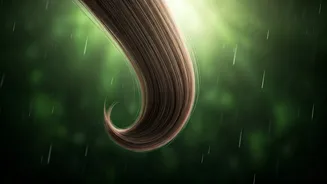
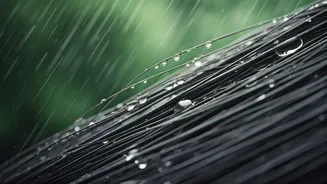
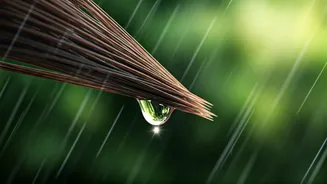
It’s not your imagination. Hair fall does increase during the rainy season, and the primary culprit is humidity. High moisture levels in the air make your hair absorb excess hydrogen, causing the strands to swell and the cuticle to lift. This weakens
the hair shaft, making it prone to breakage. Furthermore, the constant dampness creates a perfect breeding ground on your scalp for fungi and bacteria. This can lead to dandruff, itchiness, and fungal infections, all of which compromise follicle health and trigger shedding. The rainwater itself, often acidic due to atmospheric pollutants, can also disrupt the natural pH balance of your scalp, weakening the hair roots over time. So, while the rains bring relief from the heat, they launch a multi-pronged attack on your hair.
Is It Really Getting Worse?
The phrase "more common than ever" might feel dramatic, but it reflects a genuine concern. While seasonal shedding is normal (we typically lose 50-100 strands a day), several modern factors can amplify the problem during the monsoon. Increased environmental pollution means rainwater is often more laden with chemicals than before. Our lifestyles, marked by high stress levels, directly impact hair health, as the stress hormone cortisol can push hair follicles into a premature 'shedding' phase. Additionally, common nutritional deficiencies in modern diets, such as a lack of iron, biotin, and Vitamin D (which dips due to less sun exposure during cloudy days), leave our hair ill-equipped to handle seasonal stress. This combination of environmental and lifestyle factors makes our hair more vulnerable, making the seasonal hair fall feel more pronounced than in the past.
Build Your Monsoon Defence
Controlling monsoon hair fall is about a consistent and gentle care routine. First, keep your scalp clean but don't over-wash. Use a mild, sulphate-free shampoo two to three times a week to remove excess oil and fungal build-up without stripping natural oils. If dandruff is an issue, alternate with an anti-fungal shampoo containing ketoconazole or zinc pyrithione. Second, never tie up wet hair. This creates a damp, low-oxygen environment perfect for fungal growth and puts physical stress on weakened hair shafts. Let your hair air-dry as much as possible or use a microfibre towel to gently squeeze out excess water. Finally, reduce the use of heat-styling tools. Your hair is already fragile, and adding heat will only cause more damage and breakage.
Eat for Stronger Strands
What you eat is just as important as what you put on your hair. To fortify your hair from within, focus on a protein-rich diet, as hair is primarily made of a protein called keratin. Include eggs, lentils, nuts, and lean meats. Iron is crucial for hair growth; load up on spinach, beetroot, and fortified cereals to prevent iron-deficiency-related shedding. Biotin (Vitamin B7) strengthens hair and can be found in almonds, sweet potatoes, and avocados. Don't forget Omega-3 fatty acids, which nourish the scalp and add lustre to your hair—found in walnuts, flaxseeds, and fish. A handful of mixed seeds and nuts every day can provide a powerful cocktail of essential micronutrients that support robust hair health through the damp season and beyond.
When to See a Doctor
While some extra shedding is normal during the monsoon, it's important to know when to seek professional help. If you're losing more than 150 strands a day consistently, noticing bald patches, or experiencing significant thinning, it's time to consult a dermatologist or a trichologist. Excessive hair fall can be a symptom of underlying health issues like thyroid disorders, hormonal imbalances, or severe nutritional deficiencies that require medical diagnosis and treatment. A professional can perform tests to identify the root cause of your hair loss and recommend a targeted treatment plan, which might include medicated lotions, supplements, or specific therapies. Don't self-diagnose or wait too long if you feel the hair fall is excessive.