






Beyond the Instant Fix
For decades, coffee in India meant one of two things for most households: a frothy cup of instant or a traditional filter kaapi. While both have their unshakeable place in our hearts, a third wave of coffee culture is cresting. This isn't about international
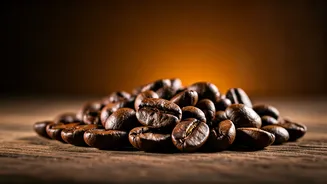
chains or fancy Italian names; it's a journey back to our own soil. The ‘surprise’ of this monsoon is the widespread embrace of regional Indian coffee—beans that carry the specific taste of the place they were grown, from the misty hills of Chikmagalur to the biodiverse forests of Araku Valley. This shift is about appreciating coffee like wine, where ‘terroir’—the unique combination of soil, climate, and altitude—defines the flavour. Consumers are no longer content with a generic ‘coffee’ taste. They want to know the story behind their cup: the estate, the farmer, the processing method. This curiosity, fuelled by a new generation of Indian roasters and direct-to-consumer brands, has turned our rainy-day beverage into an act of exploration.
The Monsoon Connection
But why is this trend peaking now, during the monsoon? It’s more than just the cozy weather. The rains encourage a slower pace of life, creating the perfect atmosphere for more mindful consumption. Instead of a quick caffeine hit on the way to work, we have more time at home to engage in the ritual of brewing. The gentle rhythm of a pour-over or the satisfying plunge of a French press feels perfectly in tune with the sound of falling rain. Furthermore, the monsoon is intrinsically linked to the story of one of India’s most famous specialty coffees: Monsooned Malabar. This is a unique process where, historically, raw coffee beans were exposed to the moist monsoon winds on the Malabar coast for months. This process reduces the acidity of the beans and imparts a distinctive, smooth, and earthy flavour profile that is beloved globally. As a result, the monsoon isn't just a season for drinking coffee; it's part of the creation story for some of our finest beans, making it the perfect time to celebrate them.
A Flavour Tour of India's Coffee Belt
Exploring regional coffee is like taking a sensory tour of India without leaving your home. Each region offers a distinct personality in the cup. * **Chikmagalur, Karnataka:** Often called the ‘cradle of Indian coffee,’ beans from here are typically balanced, mild, and aromatic, with subtle notes of chocolate and nuts. They make a fantastic, easy-drinking cup that’s perfect for a lazy afternoon. * **Coorg, Karnataka:** Coffees from this region are often bolder and more robust. Grown alongside spices like pepper and cardamom, the beans can pick up wonderfully complex spicy and sometimes fruity notes. They are excellent for a strong filter coffee or a rich espresso. * **Araku Valley, Andhra Pradesh:** A relative newcomer on the specialty scene, Araku is known for its organic, shade-grown Arabica. These coffees are prized for their bright acidity, medium body, and distinct fruity notes, often tasting of citrus or berries. They represent a vibrant, modern face of Indian coffee. * **Shevaroy Hills, Tamil Nadu:** Located in the Eastern Ghats, the coffee from Yercaud and its surroundings is known for a medium body with hints of orange and a sweet, caramel-like finish.
How to Start Your Coffee Journey
Diving into the world of regional coffee is easier than ever. Numerous Indian brands now source high-quality beans directly from estates and deliver them freshly roasted to your doorstep. When starting out, don't worry about having expensive equipment. A simple French press is an excellent, forgiving tool that allows the bean's character to shine through. A traditional South Indian filter also works beautifully, especially for robust coffees from Coorg or Chikmagalur. Start by ordering a sampler pack, which many roasters offer. This allows you to taste coffees from different regions side-by-side and discover your preference. Pay attention to the tasting notes on the package—like ‘chocolatey,’ ‘fruity,’ or ‘spicy’—and see if you can identify them in your cup. It’s a rewarding process that deepens your appreciation for the complexity hidden within each bean.