







The annual Diwali travel rush is one of the most demanding logistical operations for Indian Railways. As millions head home, stations transform into seas of humanity. To manage the surge, a multi-pronged strategy is in effect.
A Surge of Special Train Services
To clear the extra rush,
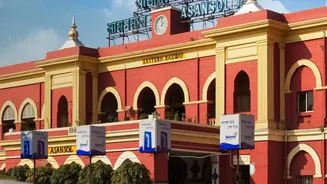
Indian Railways has announced thousands of special train trips across its network. The Central Railway alone is running over 400 services connecting hubs like Mumbai and Pune to destinations in Uttar Pradesh, Bihar, and West Bengal. Northern Railway plans over 6,200 special trips, focusing on high-demand routes like Delhi-Patna and Chandigarh-Patna. These services, which include both reserved and unreserved coaches, are crucial in absorbing the immense passenger load and reducing pressure on regularly scheduled trains. Eastern Railway has also introduced special unreserved trains from Kolkata and Sealdah to cities in Bihar and Uttar Pradesh, allowing passengers to buy tickets directly at station counters.
Fortifying Stations and Platforms
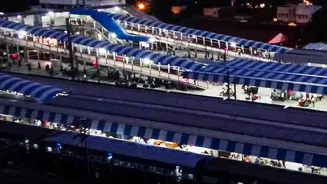
Managing the flow of people within station premises is a top priority. At many major stations in Delhi, the sale of platform tickets has been temporarily suspended to reduce non-passenger footfall. To prevent dangerous overcrowding on platforms, dedicated holding areas, sometimes called 'Yatri Suvidha Kendras', have been set up outside stations like Anand Vihar Terminal in Delhi and Kalupur in Ahmedabad. These zones, equipped with basic amenities, allow passengers to wait in organised queues and are only granted platform access shortly before their train's departure. This measure is particularly focused on managing crowds for trains bound for Uttar Pradesh and Bihar.
Enhanced Security and Surveillance
A robust security apparatus is in place to ensure passenger safety. This includes increased deployment of Railway Protection Force (RPF) and Government Railway Police (GRP) personnel at key touchpoints like foot-over-bridges and entry gates. These forces work in coordination with state police to manage queues and respond to any incidents. Technology plays a major role, with extensive real-time monitoring through thousands of CCTV cameras. At some stations, authorities are even using drones with night-vision capabilities to monitor railway yards and other vulnerable areas to prevent theft or sabotage. Furthermore, passengers are being warned against carrying flammable items like firecrackers, with strict legal action promised for violators.
Streamlining Entry and Ticketing
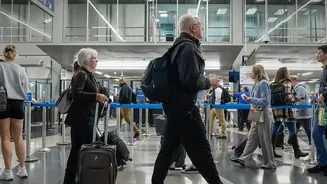
Getting into the station can be one of the biggest hurdles. To ease this, stations like New Delhi have installed additional baggage X_ray scanners under new sheltered areas to speed up security checks and protect passengers from the elements. Access control is also being tightened; at some locations, only passengers with confirmed tickets are being allowed direct entry to the platform, while others are guided to holding areas first. To handle the demand for unreserved tickets, temporary ticketing counters have been opened in these holding zones. This system of separating passengers based on ticket status helps create a more orderly flow from the station entrance to the train coach.