





The Danger of Hydroplaning
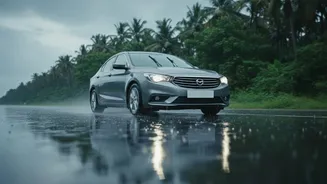
Hydroplaning, or aquaplaning, is one of the most frightening experiences a driver can have. It happens when a layer of water builds up between your tyres and the road surface, causing the vehicle to lose traction. At that moment, your ability to steer,
brake, and accelerate is severely compromised. This is more likely to occur at higher speeds and when tyres are worn. To prevent it, the first rule is to slow down significantly when you see standing water. If you do start to hydroplane, ease your foot off the accelerator and steer gently in the direction you want to go. Do not slam on the brakes, as this can make the skid worse. Ensuring your tyres have adequate tread depth—at least 3mm is recommended for monsoon safety—and are properly inflated is your best defence.
Dramatically Reduced Visibility
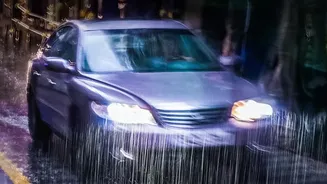
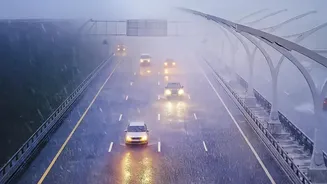
Heavy rainfall makes it difficult to see other cars, pedestrians, and hazards on the road. The spray kicked up by other vehicles adds to the problem, creating a blinding wall of water. Your first action should always be to turn on your headlights, even during the day. This is less about helping you see and more about helping other drivers see you. However, avoid using high beams, which reflect off raindrops and can worsen visibility for both you and oncoming traffic. Before you even start your drive, ensure your wiper blades are in good condition; they should clear the windscreen without leaving streaks. Also, use your car's defogger and air conditioning to keep the inside of your windshield clear from humidity buildup.
The Peril of Waterlogged Roads
Driving through flooded streets is a gamble. It’s often impossible to judge the depth of the water, and what appears to be a shallow puddle could be deep enough to cause serious damage. As little as six inches of water can be enough to stall many cars as water enters the engine's air intake, while a foot of water can float a vehicle, causing a total loss of control. Two feet of rushing water can carry away even larger vehicles like SUVs. Furthermore, floodwaters can hide deep potholes, debris, or even open manholes that can severely damage your car or trap it. The golden rule is simple: if you can't see the road surface, turn around and find an alternate route. Driving through deep water can lead to catastrophic engine failure, known as hydrostatic lock, a costly repair that insurance may not cover if you don't have an engine protection add-on.
Compromised Braking and Vehicle Health
Wet roads mean longer stopping distances—sometimes two to three times longer than on a dry surface. Brakes become less effective when wet, as water can get between the brake pads and discs, reducing friction. It's crucial to increase your following distance from the vehicle in front of you; the standard two-second rule should become a four-second rule in the rain. Before the season starts, get your brakes inspected to ensure the pads have sufficient life left. Beyond brakes, the rain is tough on your entire vehicle. Check that your battery is holding its charge, as the increased use of lights, wipers, and the defroster puts extra strain on it. Also, inspect rubber door seals to prevent water from seeping into your cabin and causing mould or electrical issues.
Hidden Potholes and Road Damage
Rain not only creates new potholes but also hides existing ones under a sheet of water. Hitting a deep pothole at speed can cause significant damage to your tyres, wheels, and suspension components. Sidewall damage on tyres is a common failure point during the monsoon season in India. Be extra vigilant and scan the road ahead for disturbances in the water that might indicate a submerged crater. If you can't avoid one, slow down as much as possible before you hit it. After any significant impact, it's wise to check your tyres for bulges or cuts and to pay attention to whether your vehicle's alignment feels off. Driving slowly and cautiously is the only effective way to mitigate this ever-present risk on rain-soaked roads.