



A Potent Immunity Shield
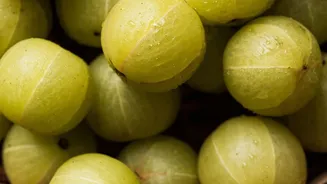
Winter is synonymous with coughs, colds, and flu, making a strong immune system your first line of defence. This is where Amla truly shines. It is celebrated for its incredibly high concentration of Vitamin C, containing significantly more than an orange.
This vital nutrient is crucial for boosting the production of white blood cells, the body's soldiers that fight off infections. Unlike the vitamin C in many other fruits, the kind found in Amla is heat-stable, meaning its benefits are retained even when cooked, dried, or powdered. Regular consumption can help fortify your body against common seasonal ailments.
Your Skin and Hair's Best Friend
The cold, dry winter air can be harsh on skin and hair, leaving them dull, dry, and lifeless. Amla works from the inside out to combat these effects. Its rich antioxidant profile, including powerful compounds called polyphenols, helps protect skin cells from damage and supports collagen production. Collagen is the protein responsible for skin's elasticity and firmness, helping it stay hydrated and radiant. For hair, Amla is a traditional remedy used to strengthen roots, reduce breakage, and prevent the dryness that often plagues the scalp during colder months.
A Natural Boost for Digestion
Winter often brings a shift in our diet towards richer, heavier foods, which can sometimes slow down our metabolism and lead to digestive discomfort. Amla is an excellent digestive aid. Being high in fibre, it helps regulate bowel movements and supports a healthy gut. Ayurvedic tradition holds that Amla helps balance the 'agni' or digestive fire, enhancing the body's ability to break down food and absorb nutrients efficiently. This makes it a perfect companion to festive winter meals, helping to reduce issues like acidity and bloating.
The Ayurvedic Perspective
In Ayurveda, Amla is revered as a 'Rasayana,' a substance known for its rejuvenating and life-enhancing properties. Known in Sanskrit as 'Amalaki' or 'Dhatri' (the nurse), it is one of the rare fruits considered to balance all three doshas: Vata, Pitta, and Kapha. Winter is a season where Vata (associated with cold and dryness) and Kapha (linked to sluggishness) can become aggravated. Amla’s nourishing properties are believed to pacify these imbalances, promoting overall harmony and vitality during the colder months. This ancient wisdom is why Amla is a key ingredient in traditional formulations like Chyawanprash, a tonic widely consumed in winter.
Easy Ways to Enjoy Amla
Incorporating Amla into your winter routine is simple and versatile. The most direct way is to eat one or two fresh fruits daily, perhaps with a sprinkle of salt to balance the tartness. For a refreshing morning drink, you can blend fresh Amla into a juice, often mixed with a little honey or ginger for added benefits. If you prefer savoury options, Amla can be made into tangy pickles (achar) or chutneys that pair wonderfully with meals. For a sweet treat, Amla murabba (a sweet preserve) is a traditional favourite. Amla powder is another convenient option that can be stirred into warm water or smoothies.