




Understanding the Food Spectrum
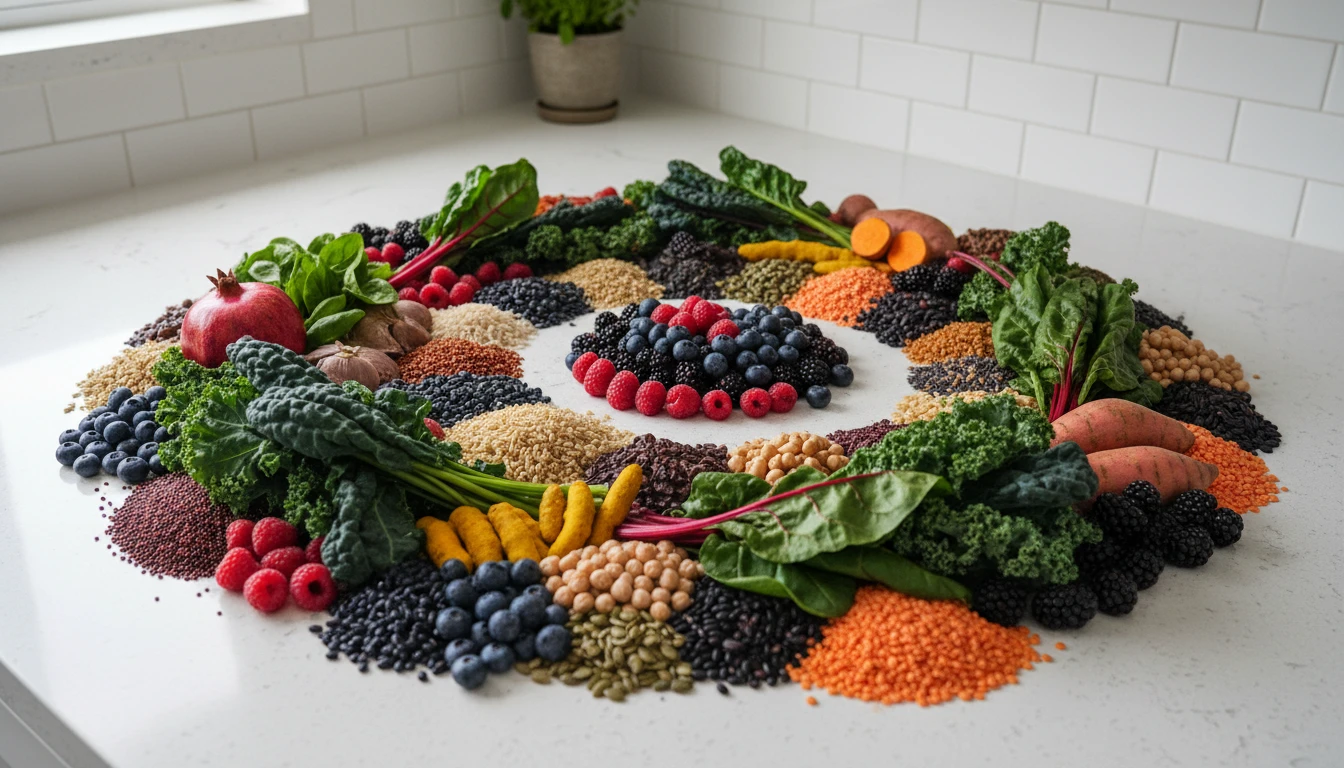
First, let's reframe the conversation. Instead of thinking of food as “good” or “bad,” it’s more helpful to see it on a spectrum of processing. The NOVA classification system, developed by nutrition researchers, provides a useful guide. Group 1 is unprocessed
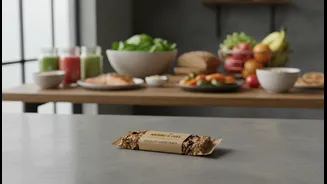
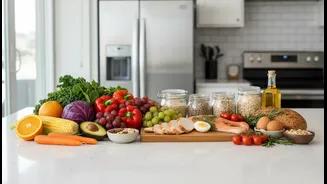
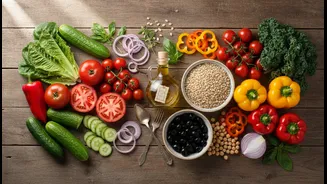
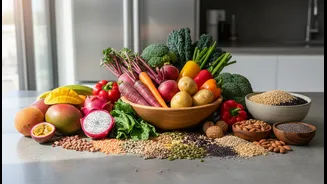
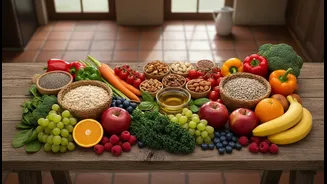
or minimally processed foods—think fresh fruits, vegetables, eggs, nuts, and plain cuts of meat. These are foods in or close to their natural state. Minimally processed items, like frozen vegetables, pasteurised milk, or canned beans, have been altered slightly for preservation or safety but are still nutritionally close to the original. Group 4, on the other end, is ultra-processed foods. These are industrial formulations made with ingredients you wouldn't typically use in a home kitchen, designed for long shelf life and intense flavour. Think sugary cereals, packaged snacks, and many ready-to-heat meals. The goal isn't to banish everything but Group 1 foods; it's about understanding what you're eating and shifting the balance.
The 'Why' Without the Worry
There's a reason experts suggest leaning towards whole foods: they are packed with the good stuff. They are nutrient-dense, providing essential vitamins, minerals, and antioxidants. One of their biggest benefits is fibre, which is crucial for gut health, stabilising blood sugar, and helping you feel full and satisfied. Diets rich in whole foods are consistently linked with a lower risk of chronic conditions like heart disease and type 2 diabetes. In contrast, diets heavy in ultra-processed foods are associated with weight gain and other health issues. One landmark study found that participants ate 500 more calories per day when given an ultra-processed diet compared to a whole-food diet, even without trying to. But this knowledge shouldn't be a source of fear. It’s simply a guidepost, pointing us toward a general direction for better health over the long term.
Permission to Be Imperfect
The pressure to eat “clean” or “pure” can be psychologically damaging. When food becomes a moral test of willpower, it can lead to anxiety, guilt, and a disordered relationship with eating, sometimes referred to as orthorexia, an obsession with healthy eating. The stress and shame you feel for eating a “bad” food can be just as unhealthy as the food itself. True healthy eating is flexible and sustainable. It allows room for birthday cake, a bag of chips with friends, or a quick frozen pizza on a busy night. The key is consistency, not perfection. Aiming for an 80/20 or 90/10 balance—where the vast majority of your diet is composed of whole and minimally processed foods—leaves room for life's less-than-perfect moments without the guilt. Your diet is the sum of your choices over weeks and months, not a single meal or snack.
Smarter, Not Harder, Tips
Making a shift doesn't require a complete overhaul of your kitchen or your life. The best approach is to start with small, manageable swaps. Instead of eliminating foods, focus on adding. Add a side of fresh or frozen vegetables to your dinner. Add fruit to plain yogurt instead of buying the pre-flavoured kind. Shop the perimeter of the grocery store, where fresh foods are typically located, and use the centre aisles more selectively. When you do buy packaged goods, read the ingredients. A shorter ingredient list with recognisable items is generally a better sign. Don’t shy away from convenient options like canned beans (rinsed to reduce sodium) or frozen fruit. They are minimally processed powerhouses that can make healthy eating much easier. Planning a few meals or doing a little food prep on the weekend can also make it much easier to reach for a healthy option when you're tired and hungry.