
From Screen to Stage
The Indian live events market is in the middle of a massive boom. Reports from mid-2026 value the industry at over ₹14,000 crore, with projections showing it will grow at a rate of 15-19% annually. What was once a risky tour stop is now a primary destination
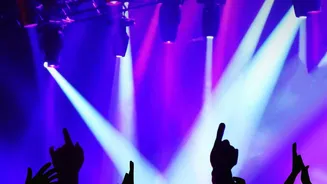
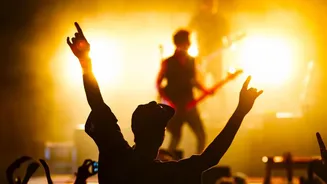
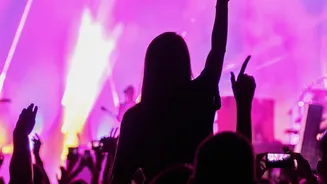
for global and local artists alike. International festivals like Lollapalooza have established successful Indian editions, with its debut drawing 60,000 fans and subsequent years showing even stronger attendance. This isn't just about big names; a diverse calendar of festivals caters to every niche, from the electronic beats of Sunburn and DGTL to the indie sanctuaries of Ziro Festival and the reggae vibes of Goa Sunsplash. This surge is driven by a fundamental change in fan behaviour. Concerts are no longer just a night out; they've become social currency and travel-worthy experiences. According to one survey, nearly two-thirds of attendees at Lollapalooza India travelled from outside Mumbai, highlighting the rise of music tourism.
The New Music Math
While streaming has made music more accessible than ever, it has also complicated how artists earn a living. Per-stream royalty rates in India are notoriously low, making it a volume game that rarely pays the bills for emerging or mid-tier musicians. For many, streaming is less a source of direct income and more a tool for building an audience that will eventually buy a concert ticket. Live performances have become one of the most reliable and significant revenue streams for Indian artists. An artist’s booking fee for a college fest, club show, or music festival can far exceed what they make from millions of streams. This economic reality has forced a strategic shift. The album or single is no longer the final product; it's the promotional material for the real product: the live show. This dynamic is especially crucial for independent artists, who rely on a combination of gigs, merchandise sales, and brand collaborations to build a sustainable career.
An Experience, Not Just a Gig
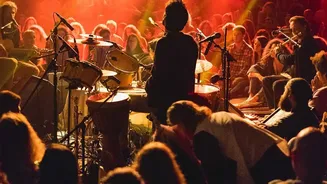
Today's music festivals are far more than just a series of bands on a stage. Organisers are curating multi-sensory experiences that include art installations, gourmet food parks, fashion pop-ups, and interactive brand activations. Events like Magnetic Fields in Rajasthan are described as immersive cultural odysseys, blending underground electronica with heritage and desert landscapes. Even mainstream festivals like Lollapalooza and NH7 Weekender invest heavily in creating a carnival-like atmosphere that encourages fans to spend the entire day and document their experiences online. This focus on the 'experience economy' is a powerful draw for a young, digitally-native audience that values creating and sharing memories. The result is a vibrant ecosystem where fans come for the music but stay for the community, culture, and spectacle, turning a concert into a mini-vacation.
The Artist as an Entertainer
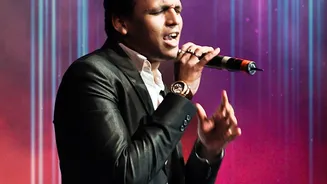
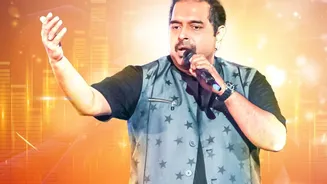
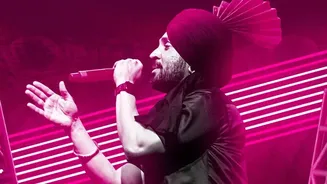
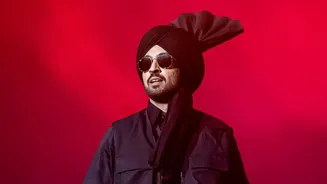
This shift places new demands on artists. It's no longer enough to just write and record great songs. To succeed in the live arena, an artist must also be a compelling performer. The connection forged during a live set—the energy exchanged between the artist and the crowd—is something a streaming algorithm cannot replicate. This has led to a greater appreciation for stagecraft, showmanship, and the ability to command an audience. Artists who can translate their recorded music into an unforgettable live experience are the ones who build the most dedicated fanbases. They understand that in an age of infinite digital choice, the finite, shared experience of a live concert has become more valuable than ever. It solidifies their brand, sells merchandise, and creates lifelong fans in a way a passive stream simply cannot.