
It’s a cosmic paradox: the Sun is 333,000 times more massive than Earth and its gravitational pull on our Moon is twice as strong as our own. So why does the Moon stick with us? The answer reveals a fundamental rule of celestial mechanics.
A Cosmic Tug-of-War
On paper, the
Sun should win any gravitational contest. Its sheer mass creates a pull that holds the entire solar system together, from Mercury to the farthest reaches of the Kuiper Belt. By comparison, Earth is a lightweight. Yet, the Moon faithfully circles our planet, and we can 'park' sophisticated telescopes millions of miles away, where they hold their position relative to Earth. The secret isn't about the raw strength of gravity, but about proximity and influence. Think of it like being in a room with a loud marching band (the Sun) and someone whispering right next to your ear (the Earth). Even though the band is far more powerful, the whisper is what you can actually hear and respond to.
The Neighborhood of Dominance
This concept is formalized in astronomy as the 'Hill Sphere' or 'Sphere of Influence'. Named after American astronomer George William Hill, it describes the region around a celestial body where its own gravity is the dominant force for attracting satellites, even in the presence of a much larger, more distant object. Inside this gravitational bubble, the smaller body is the local boss. For Earth, this sphere extends out to about 1.5 million kilometers (roughly 930,000 miles). Any object within this zone is primarily bound to Earth, not the Sun.
Why the Moon Stays Put
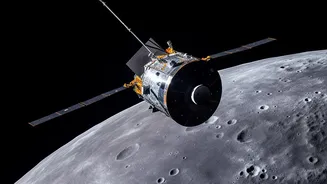
The Moon orbits Earth at an average distance of about 384,000 kilometers (239,000 miles). This places it comfortably deep inside our planet's Hill Sphere, at only about a quarter of the way to the edge. While the Sun is indeed pulling on the Moon with tremendous force, it pulls on the Earth-Moon system as a whole. The crucial factor is the difference in the Sun’s pull on Earth versus its pull on the Moon. Because they are relatively close to each other, this difference is small. Earth's nearby gravitational pull easily overpowers that small difference, keeping the Moon locked in its familiar orbit. In essence, the Moon orbits the Sun, but it does so while tethered to the Earth.
A Leash for Distant Spacecraft
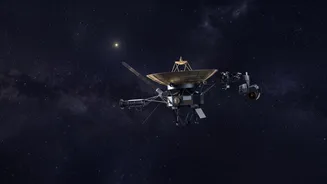
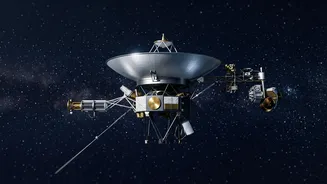
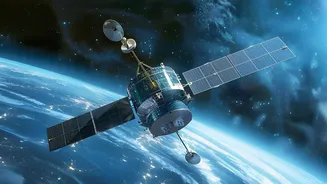
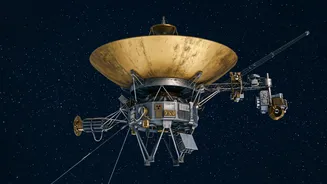
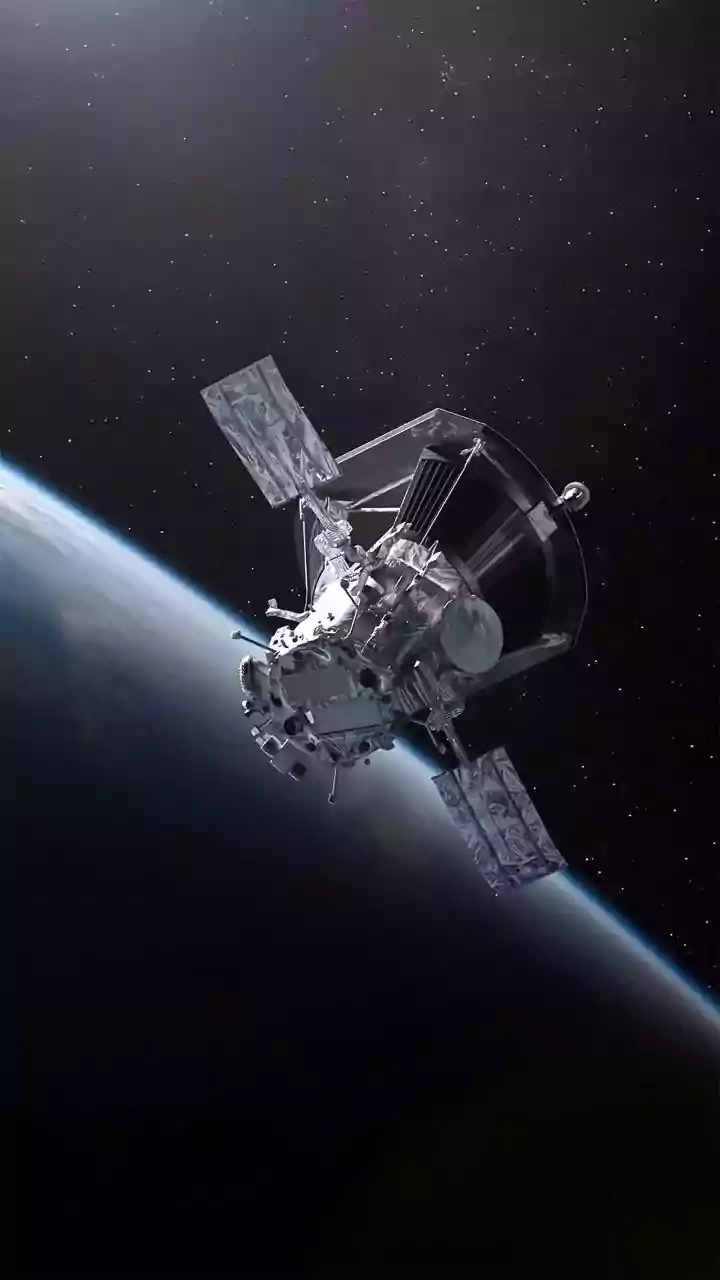
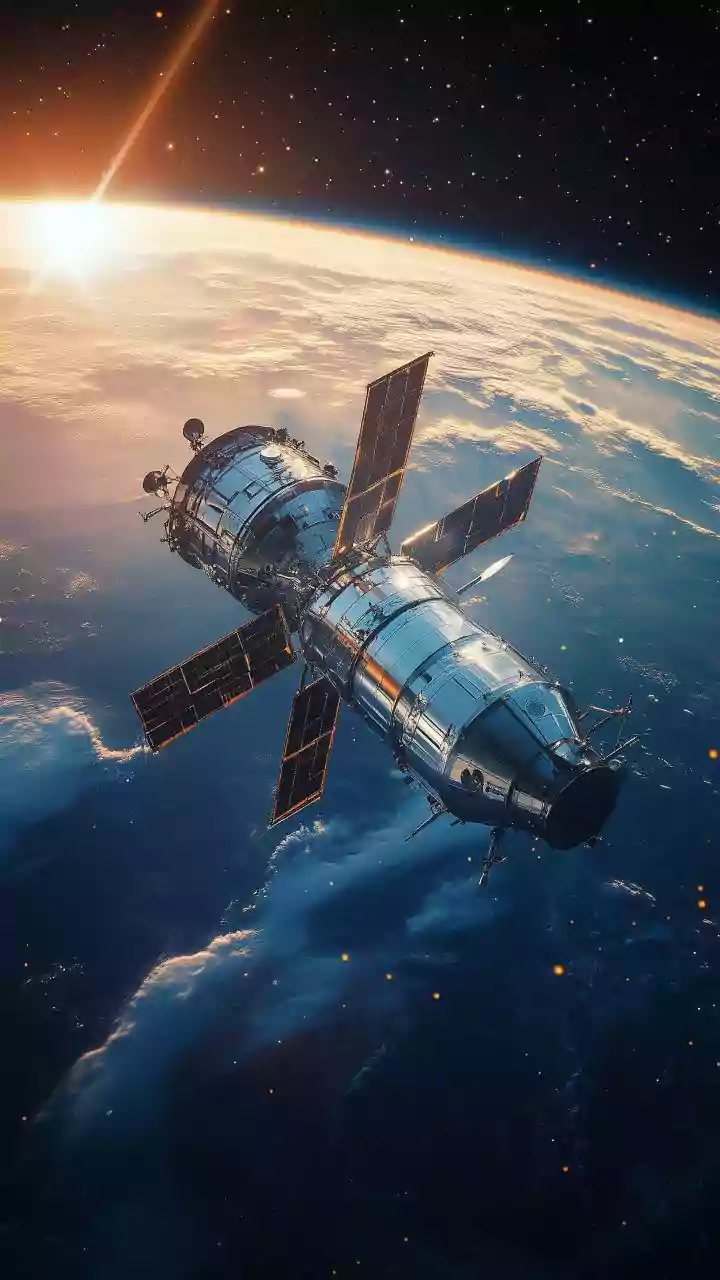
Mission planners at NASA and other space agencies masterfully exploit this principle. Spacecraft like the James Webb Space Telescope aren't just launched into the void; they are sent to very specific locations. Webb, for example, is positioned at the second Lagrange point (L2), which is nearly 1.5 million kilometers from Earth, right at the edge of our Hill Sphere. At these special points, the gravitational pull of the Earth and the Sun, combined with the orbital motion of the spacecraft, balance out in a way that allows the craft to maintain a stable position relative to Earth with minimal fuel. This allows it to stay cool, use its sunshield effectively, and remain in constant communication with us. By understanding where Earth's gravity reigns supreme, we can effectively place our robotic explorers exactly where they need to be to unlock the secrets of the universe.