




Why the Shift to Low-Chemical Cleaning?
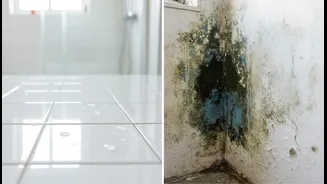
The monsoon season in India creates a perfect storm for household grime. Increased humidity, often above 70%, can cause mould to grow on organic residue within just 24 to 48 hours. This damp environment makes homes a breeding ground for fungi, bacteria,
and pests. Traditionally, the response has been to use powerful, often harsh chemical cleaners. However, growing awareness around the health risks associated with these products is driving a significant change. Chemicals like ammonia and phosphates, found in many conventional cleaners, can cause respiratory irritation, skin issues, and headaches, especially in poorly ventilated homes. These chemicals also harm the environment when they enter waterways. This combination of a challenging season and a desire for healthier living spaces has spurred interest in effective, low-chemical alternatives. A market for eco-friendly products is surging in India, with projections showing it could triple in value over the next decade.
Your Monsoon DIY Cleaning Toolkit
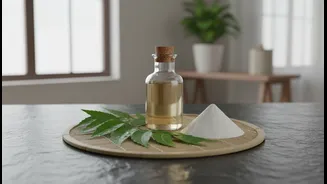
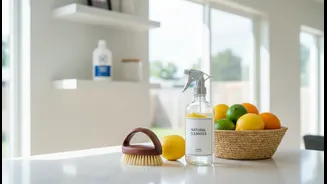
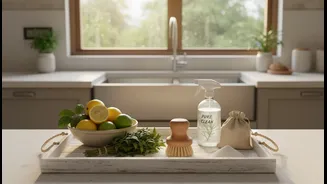
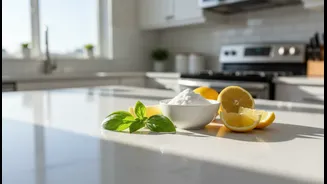
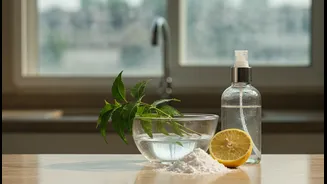
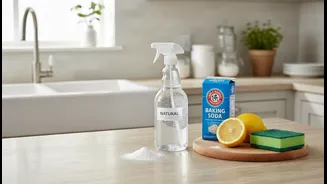
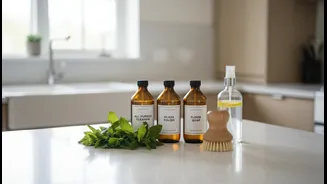
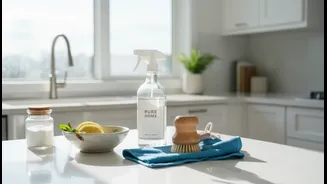
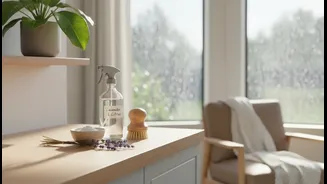
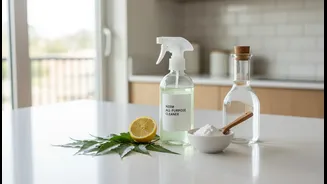
Many of the most effective low-chemical solutions can be found right in your kitchen pantry. These ingredients are affordable, readily available, and surprisingly powerful. White vinegar is a star player; its acidic nature helps dissolve mineral deposits and kills mould spores. A simple solution of equal parts vinegar and water in a spray bottle can be used on tiles, counters, and glass. Baking soda is another hero ingredient, excellent for absorbing moisture and neutralizing musty odours. Sprinkling it on carpets before vacuuming or leaving an open bowl in a damp corner can make a noticeable difference. For tackling mould, you can also create a paste of baking soda and water to scrub affected surfaces. Lemon juice works similarly to vinegar and leaves a fresh scent, while neem leaves, a traditional remedy, have powerful antifungal properties. Boiling neem leaves in water creates a natural disinfectant spray for walls and corners.
What This Means for Renters
For those living in rented accommodation, the monsoon can be particularly trying. Issues like damp walls, peeling paint, and mould are common, but tenants often lack the authority to make permanent fixes like repainting with moisture-resistant paint. Low-chemical solutions offer a practical way to manage these issues without causing damage. For instance, a spray of white vinegar and water can help control surface mould on walls. Renters also face the challenge of securing their deposit, and harsh chemicals can sometimes damage surfaces like marble or granite, which are common in Indian homes. Natural cleaners are generally gentler. To combat dampness, placing bowls of coarse salt or silica gel sachets in closets and corners can help absorb excess moisture. It is also crucial to ensure good ventilation by opening windows during dry spells and using exhaust fans. Before moving in, renters should inspect the property for pre-existing issues like leaks or clogged drains.
The Impact on Home Cleaners
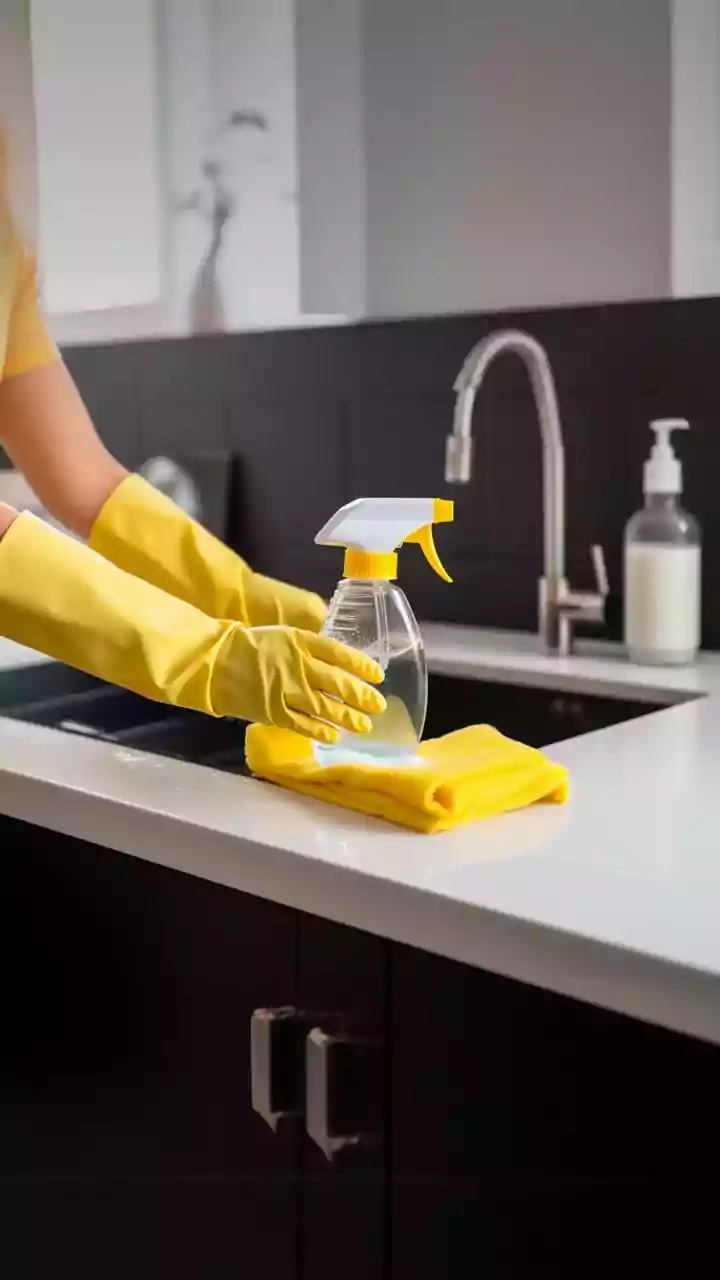
The shift towards low-chemical cleaning directly affects domestic home cleaners, who are on the front lines of using these products daily. Prolonged exposure to harsh chemicals is a significant occupational hazard, leading to potential skin and respiratory problems. Adopting natural alternatives creates a safer working environment for them. However, this transition requires clear communication and, at times, a collaborative approach. Homeowners should not assume their cleaner is familiar with DIY recipes or the specific application of natural products. It is helpful to discuss the new methods, explain the reasons for the switch, and even prepare the cleaning solutions beforehand. Some natural methods might require more scrubbing or different techniques compared to potent chemical agents. It is important for employers to acknowledge this, manage expectations, and ensure that the workload remains fair. This shift is an opportunity to foster a partnership based on mutual health and well-being, rather than simply issuing new instructions.