





The End of an Era
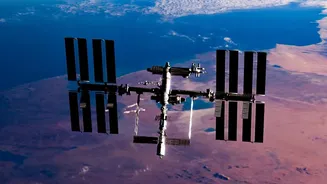
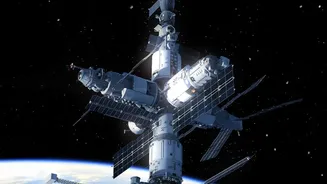
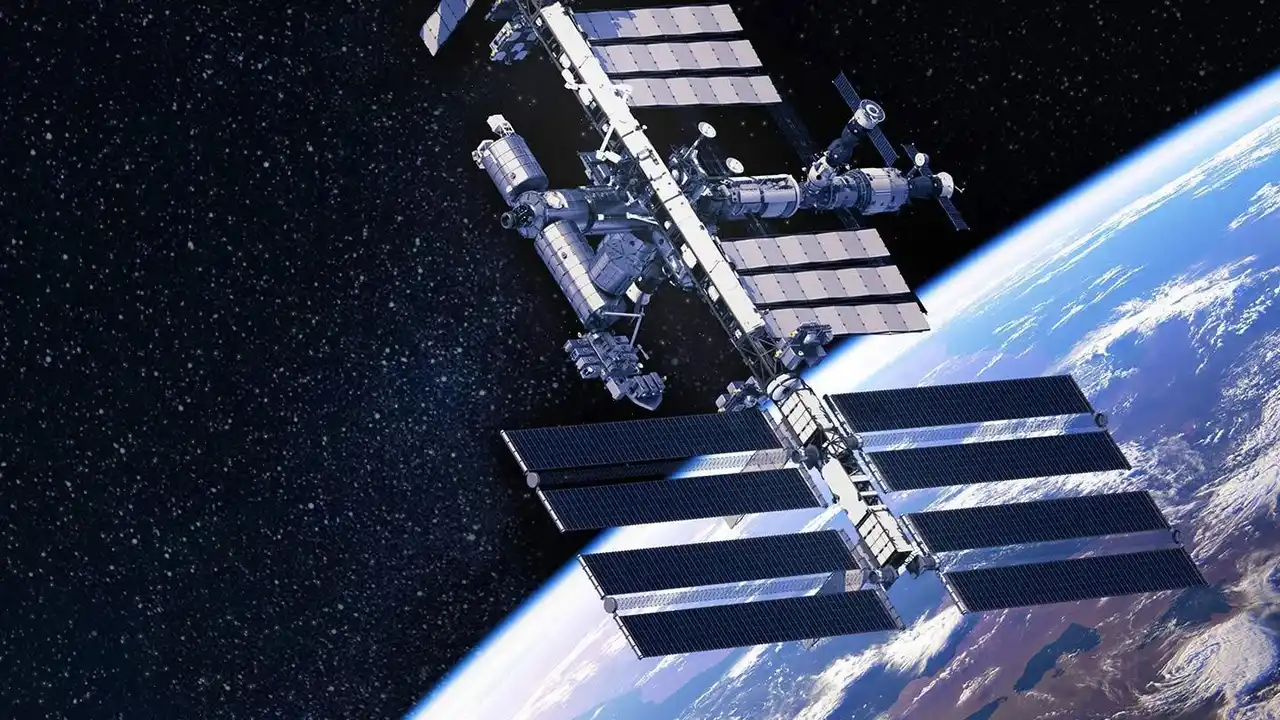
Since its first components were launched in 1998, the ISS has been a symbol of global cooperation and a hub for groundbreaking science. It has been continuously occupied by astronauts for over 25 years. However, the station is aging. After decades of service,
facing structural fatigue and rising maintenance costs, NASA and its international partners are planning a controlled deorbit of the massive structure around 2030, guiding it to a remote part of the Pacific Ocean. This decision marks a fundamental shift in strategy: instead of owning and operating its own station, NASA plans to become a customer, renting space and services from a fleet of new, privately-owned platforms.
NASA's Commercial Pivot
This transition is orchestrated through NASA's Commercial Low Earth Orbit Destinations (CLD) program. The goal is to stimulate a robust commercial economy in LEO, preventing a gap in American access to space after the ISS is gone. By funding multiple companies to develop competing designs, NASA hopes to foster innovation, drive down costs, and ensure it has reliable options for sending its astronauts to conduct research. Instead of a single, government-run monolith, the future of LEO is envisioned as a bustling ecosystem of different stations serving diverse customers, from national space agencies and scientists to private tourists and in-space manufacturers.
The Key Contenders
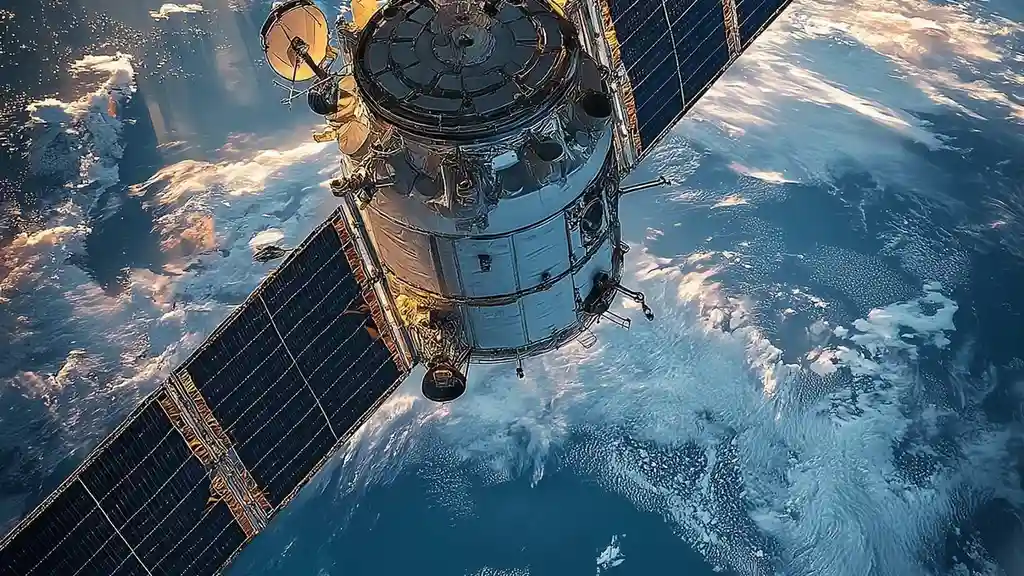
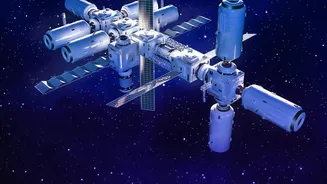
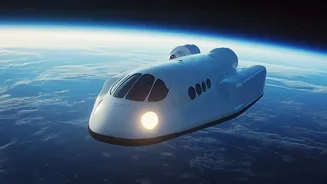
Several companies are at the forefront of this new space race, each with a unique approach. Axiom Space is taking a modular route. The company, which has already conducted private astronaut missions to the ISS, plans to first attach its own modules to the existing station starting as early as 2027. Once its core modules—including habitats and a research and manufacturing facility—are connected, the entire segment will detach and become a free-flying commercial station before the ISS is retired. Blue Origin, in partnership with Sierra Space, is developing Orbital Reef, envisioned as a large-scale “mixed-use business park” in space with capacity for ten people. A key feature of this project is Sierra Space's LIFE (Large Integrated Flexible Environment) habitat, an inflatable module that launches in a compact form and expands to three-story dimensions in orbit. Starlab, from a joint venture between Voyager Space and Airbus, is another major player. Their station is designed to be launched in a single flight and will serve as a global hub for science and research. Meanwhile, a company called Vast is developing Haven-1, a smaller, single-module station aiming for a 2027 launch, which could make it one of the first commercial stations to fly.
More Than Just Science Labs
While serving NASA's research needs is a primary driver, these private stations are being designed with a much broader market in mind. The business plans for stations like Orbital Reef explicitly include space tourism, in-space manufacturing, and media and entertainment projects. Axiom is building a dedicated film studio module for a British production company. The LIFE habitat is being designed to comfortably house crews on long-duration missions, with amenities like large windows and advanced life support. This signals a crucial shift from purely government-funded exploration to a self-sustaining economy where research, tourism, and industry coexist in orbit.
Challenges on the Final Frontier
The path to replacing the ISS is not without significant hurdles. The timelines are ambitious, and some analysts have expressed concern that a commercial platform may not be ready before the ISS's 2030 decommissioning, potentially creating a gap in U.S. human presence in LEO. Funding remains a challenge, as these are multi-billion-dollar projects that must attract significant private investment alongside NASA's contributions. Furthermore, some of the launch vehicles intended to carry these large modules, like Blue Origin's New Glenn, are still in development. Successfully creating and sustaining a customer base beyond NASA is the ultimate test for these ventures. The entire model depends on the emergence of a real, paying market for orbital services.