



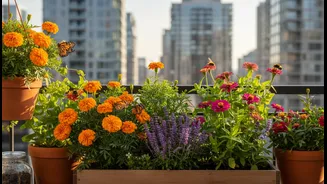



A Modern Twist on Tradition
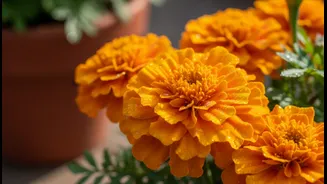
For generations, the vibrant orange and yellow of marigolds have been woven into the fabric of Indian life. We see them in garlands at temple doors, as offerings during pujas, and as showers of blessings at weddings. They are a symbol of auspicious beginnings,
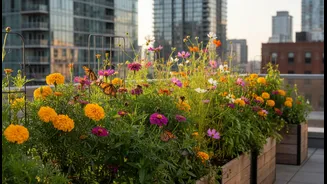
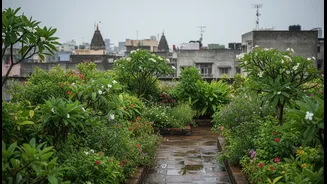
devotion, and celebration. But now, this deeply traditional flower is getting a modern makeover. Across cities like Mumbai, Hyderabad, and Delhi, a new generation of plant lovers is rediscovering the marigold, not just for its cultural significance, but for its role in the urban gardening movement. As balconies become precious green sanctuaries, the resilient and cheerful marigold has become a popular choice, proving that some traditions don't just fade—they evolve.
The Ultimate Balcony Plant
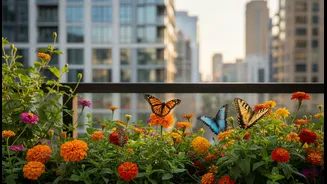
So, why the sudden surge in popularity? For one, marigolds are incredibly well-suited to container gardening. They are low-maintenance, thrive in the full sun that many Indian balconies receive, and are not particularly fussy about soil. This makes them perfect for beginner gardeners. But their benefits go far beyond just being easy to grow. Marigolds are a powerhouse of natural pest control. Their roots and leaves release compounds that deter common garden pests like aphids, whiteflies, and nematodes, protecting other, more delicate plants in your balcony garden. They even have a reputation for repelling mosquitoes, making your outdoor space more comfortable. Furthermore, their bright blooms are a magnet for pollinators like bees and butterflies, which are essential for a healthy mini-ecosystem.
Choosing Your Balcony Champion
Before you start planting, it's helpful to know the main types of marigolds. Generally, you'll find two popular varieties: African marigolds (Tagetes erecta) and French marigolds (Tagetes patula). African marigolds are the taller of the two, producing large, pom-pom-like flowers that you often see in festival decorations. Varieties like 'Inca' or 'Discovery' produce huge blooms and can be very dramatic in larger pots. French marigolds are more compact and bushy, making them ideal for smaller pots and balcony railings. They come in a wider range of colours, often with bi-colour patterns in shades of orange, yellow, and deep red. Their smaller size makes them perfect for creating dense, colourful displays in limited spaces. For most balconies, the dwarf and bushy French varieties are an excellent and manageable starting point.
A Simple Guide to Golden Blooms
Growing marigolds is a rewarding experience, even for first-time gardeners. Start with a pot that has good drainage holes. Marigolds dislike having 'wet feet,' so ensuring excess water can escape is crucial. Fill the pot with a well-draining soil mix; you can easily find potting mixes designed for flowering plants. Plant your seeds or saplings and place the pot in the sunniest spot on your balcony—they need at least six hours of direct sunlight to produce abundant flowers. Water them regularly, but let the top inch of soil dry out between waterings to prevent root rot. Marigolds don't require heavy fertilisation; a little bit of compost mixed into the soil at the beginning is usually enough. One key tip: remember to 'deadhead' the plant, which means pinching off spent or dried flowers. This encourages the plant to produce new blooms instead of putting energy into creating seeds.
More Than Just a Flower
Bringing marigolds to your balcony is about more than just adding a splash of colour. It is an act of connecting with a tradition that spans centuries. It is about participating in a modern movement towards greener urban living and sustainability. Each bloom is a small victory, a burst of sunshine that can brighten your day and a nod to the cultural heritage that makes this flower so special in India. They are a reminder that even in the most compact urban spaces, we can cultivate beauty, nurture life, and keep our traditions alive and blooming.