





The New Social Hour
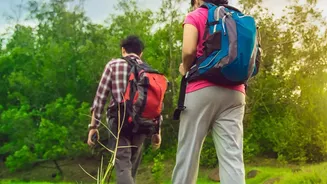
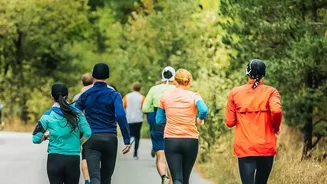
Across Indian cities, a quiet revolution is happening on foot. Groups of friends and strangers are gathering not in cafes or bars, but in parks and on neighbourhood streets for a simple walk. This isn't just about getting in 10,000 steps; it's about transforming
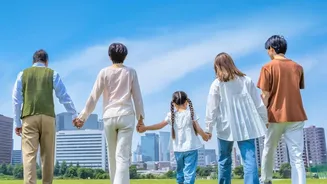
exercise into a social event. For many, particularly young professionals in bustling urban centres, walking clubs are becoming a 'third place'—a crucial environment outside of home and work where community and connection can flourish. The trend highlights a significant shift in wellness culture. Instead of focusing solely on metrics like calories burned, people are seeking experiences that also answer questions like, 'Did I enjoy myself?' and 'Who did I meet?'. This fusion of fitness and socialising makes the activity inherently more sustainable and enjoyable than a punishing, lonely gym routine.
An Antidote to Digital Isolation
In an age of remote work and digital saturation, loneliness has become a widespread concern. Many indoor workouts, with their emphasis on personal screens and headphones, can inadvertently deepen this sense of isolation. Walking clubs offer a direct and refreshing counter-narrative. They encourage participants to unplug from their devices and engage in face-to-face conversation, strengthening social bonds and combating the loneliness that can permeate modern life. Research consistently shows that exercising with others boosts motivation and accountability. When you know a group is waiting for you, you are far more likely to show up consistently. This shared commitment turns a personal fitness goal into a collective, supportive activity. The simple act of walking and talking with others can regulate the nervous system and foster emotional bonding in a way that staring at a treadmill screen cannot.
More Than Just Physical Fitness
While the physical benefits of walking are well-documented—from improved cardiovascular health to better weight management—the mental health advantages are just as profound. Walking, especially in natural environments like parks or along green corridors, has been shown to significantly reduce stress, anxiety, and symptoms of depression. When you combine this with the power of social interaction, the effects are multiplied. Psychologists note that group walking is a powerful, under-utilised tool for promoting emotional wellbeing. The shared rhythm of a group walk can create a sense of belonging and collective calm. The low-pressure environment means there is no need to be the fastest or fittest person; the focus is on participation and mutual enjoyment, which boosts self-esteem and reduces the intimidation factor often associated with traditional gyms.
Accessible and Radically Inclusive
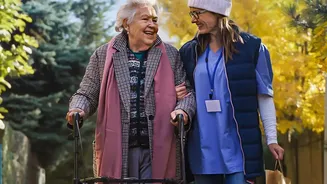
Perhaps the most significant driver of the walking club trend is its accessibility. Unlike boutique fitness classes or gyms that require expensive memberships and specialised equipment, walking is free. It has a low barrier to entry, making it an inclusive activity for people of all ages, fitness levels, and economic backgrounds. You don't need fancy gear, just a comfortable pair of shoes. This simplicity is a major advantage over more intense activities like running, which may require more stamina or specific gear. This inclusivity fosters diverse groups where different generations and backgrounds can mix, creating a true community feel. As more people embrace this trend, it also shines a light on the need for safe, accessible public spaces, encouraging civic conversations about pedestrian-friendly infrastructure, clean air, and well-lit parks for everyone to enjoy.