






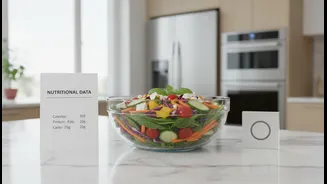


A New Era of Menu Transparency
For many diners in India, a restaurant menu has always been simple: dish name and price. However, the landscape has changed significantly. Under the Food Safety and Standards (Labelling and Display) Regulations, many restaurants are now required to provide
much more detail. These rules, enforced by the Food Safety and Standards Authority of India (FSSAI) since 2022, mandate that certain food businesses display key nutritional information directly on their menus. This applies to restaurant chains with ten or more locations, establishments with a central FSSAI license, and e-commerce food aggregators. The required disclosures include the calorific value (in kcal) per serving, the serving size, and information on common allergens. While smaller, single-outlet restaurants are currently exempt, the trend towards greater transparency is clear.
Beyond Compliance: A Strategic Mindset
The immediate reaction for many businesses is to treat these rules as just another box to tick. They calculate the numbers, update their menus, and consider the job done. This compliance-first approach, while necessary, misses the bigger picture. The real value lies not in the signage itself, but in the data generated to create it. For the first time, many chefs and kitchen managers have a detailed, quantified breakdown of every dish they serve. This nutritional data is a strategic asset. Instead of seeing a list of calorie counts, an innovative restaurateur sees a roadmap for improvement, a tool for creation, and a way to connect more deeply with an increasingly health-aware customer base.
Turning Nutritional Data into Deliciousness
The process of calculating nutritional values forces a close examination of every single ingredient and its quantity. This audit can reveal surprising insights. A popular curry might derive a huge percentage of its calories from a specific cooking oil, or a seemingly light dessert could have a surprisingly high sugar content. This is where the opportunity for recipe reformulation begins. Armed with this data, chefs can experiment with simple swaps that significantly improve a dish's nutritional profile without compromising on flavour. Could a different blend of spices reduce the need for sodium? Can a portion of refined flour be replaced with a whole-grain alternative? Can a dish be pan-seared instead of deep-fried to cut down on fat? These are not just health questions; they are culinary challenges that can lead to more refined and thoughtful cooking.
The Science of a Better Recipe
Recipe reformulation is both a science and an art. The data provides the scientific baseline, while the chef's expertise provides the artistry. For example, identifying a high-sodium appetiser could prompt experimentation with citrus zest, vinegar, or herbs to provide brightness and flavour without the salt. A high-calorie dessert could be re-engineered by using fruit-based sweeteners or reducing portion sizes while enhancing presentation to maintain perceived value. Evidence from markets where labelling has been in place for years shows that this is a common outcome; labelling often encourages businesses to reformulate their offerings to be healthier. This process doesn't mean turning a restaurant into a health-food cafe. It’s about optimising existing recipes to make them better, more balanced, and appealing to a wider audience that now includes a significant number of health-conscious diners.
A New Way to Build Customer Trust
In a competitive market, trust is a valuable currency. Transparency about ingredients and nutritional content is a powerful way to build it. When customers see that a restaurant is not only complying with regulations but actively using them to improve its food, it builds confidence and fosters loyalty. This approach also opens up new marketing avenues. A restaurant can highlight its newly reformulated, lower-calorie version of a classic dish or create a special menu section for 'balanced bites'. This caters directly to the growing segment of consumers who want to enjoy eating out without compromising their health goals. Providing this information makes diners feel empowered and respected, which encourages repeat visits and positive word-of-mouth. Ultimately, being transparent isn't just good for the customer; it's good for business.