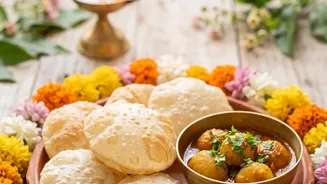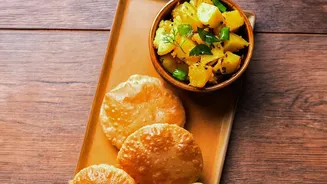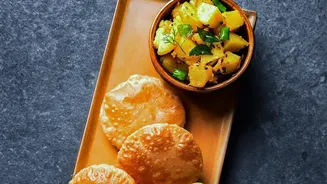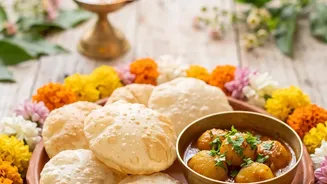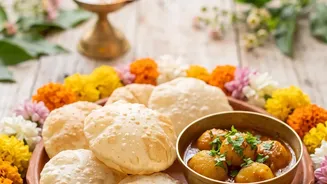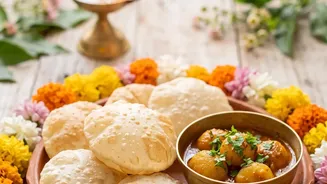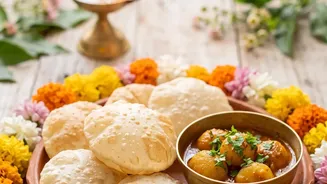



There are few sights more comforting on a lazy weekend morning than a plate of fluffy, golden puris next to a bowl of fragrant, spicy sabzi. This isn't just a meal; it's a cherished ritual, a taste of home that connects generations.
A Perfect Culinary Pair
At its heart, Puri
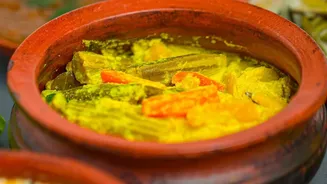
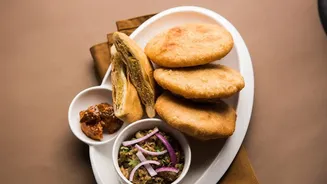
Sabzi is a study in delightful contrasts. The puri, an unleavened bread made from whole wheat flour, is rolled thin and deep-fried until it puffs up into a light, airy sphere with a satisfyingly crisp exterior. It’s the perfect vessel for scooping up its traditional partner: Aloo ki Sabzi. This potato curry is the ideal counterpart—soft, flavourful, and often tangy with tomatoes and a mix of aromatic spices like cumin, turmeric, and coriander. While the potato version is a classic, especially in North India, the 'sabzi' can vary widely. In some regions, it might feature chickpeas, while others prepare a dry potato bhaji, showcasing the dish's incredible versatility across the country.
More Than Just Breakfast
While it's a quintessential breakfast, Puri Sabzi transcends the morning meal. It is a dish of celebration and tradition, often prepared for festivals like Diwali and Holi. Its presence signifies a special occasion, a break from the everyday routine. The combination is considered 'pucca khaana'—food cooked in ghee or oil, which has historically been seen as pure and suitable for auspicious events. This elevates it from a simple meal to something ritualistic and significant. From bustling railway station platforms, where it's a popular and filling meal for travellers, to grand wedding feasts, Puri Sabzi is woven into the fabric of Indian social life.
A Taste of Home and Nostalgia
For many, the appeal of Puri Sabzi is deeply rooted in nostalgia. It’s the flavour of Sunday mornings, of family gatherings, and of festive cheer. The simplicity of its core ingredients—potatoes, flour, and common spices—makes it an accessible and affordable comfort food for people from all walks of life. In a world of ever-changing food trends, from avocado toast to smoothie bowls, Puri Sabzi remains a constant. It doesn't rely on exotic ingredients or complex techniques; its magic lies in its simplicity and the powerful emotions it evokes. It’s a culinary anchor, reminding people of their roots and the uncomplicated joy of a home-cooked meal.
Regional Variations and Enduring Popularity
The classic North Indian style, with its tangy potato gravy, is perhaps the most famous, but the journey of Puri Sabzi across India has resulted in many delicious variations. In Maharashtra, you might find a drier 'batata bhaji' served with puris. Head to Bengal, and you'll encounter 'luchi aloor dum', where the puris are made with refined flour (maida) and served with a distinctively spiced potato curry. In some parts of Gujarat, the sabzi might have a slightly sweeter note. This adaptability is key to its enduring charm. The basic concept is a canvas for regional tastes, ensuring that no matter where you are in India, a version of this beloved dish is never too far away.