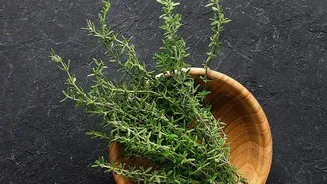





The aromatic charm of fresh thyme is a wonderful addition to any kitchen. This hardy Mediterranean herb is surprisingly easy to grow indoors, but its success hinges on one crucial detail: knowing exactly when, and when not, to water.
The Golden Rule of Watering
The single biggest
mistake gardeners make with indoor thyme is overwatering. Thyme is a drought-tolerant plant native to the dry, rocky hills of the Mediterranean. Its roots are highly susceptible to rot if they sit in constantly damp soil. The most reliable way to care for your plant is to wait until the top inch or two of soil is completely dry to the touch. A simple finger test is your best guide: if you feel any moisture, wait longer. When you do water, do so thoroughly until water runs out of the drainage holes at the bottom of the pot. Then, let it dry out completely before watering again. This deep-and-infrequent watering cycle mimics its natural habitat and is the key to a healthy plant.
Let There Be Light
After watering, the second most critical factor for a thriving thyme plant is light. Thyme loves sun and needs at least six hours of bright, direct sunlight each day to flourish. An unobstructed south-facing or west-facing window is an ideal location. If your home doesn't offer enough natural light, especially during darker winter months, your thyme may become 'leggy'—tall and sparse with few leaves. This is a sign it's stretching for light. Supplementing with a grow light for 10-12 hours a day can be an effective solution to keep your plant compact, bushy, and full of flavour.
The Right Foundation: Soil and Potting
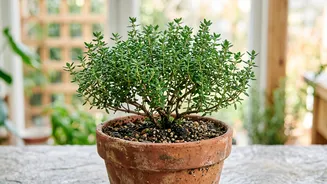
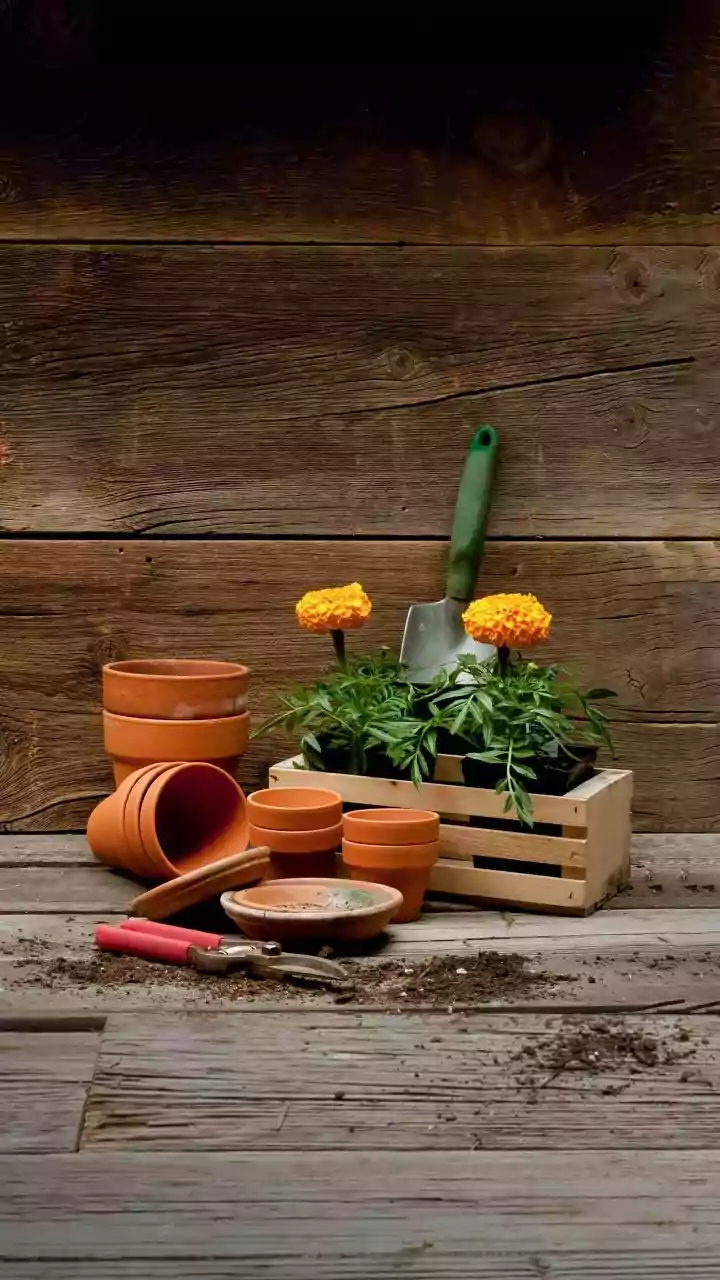
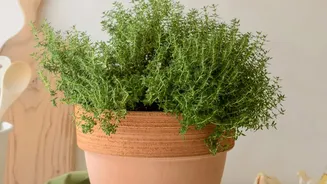
To prevent water from lingering around the roots, excellent drainage is non-negotiable. Start with a pot that has at least one large drainage hole. Terracotta or clay pots are an excellent choice because the porous material helps wick moisture away from the soil, allowing it to dry out faster. The soil itself should be light and gritty. Standard potting soil is often too dense and retains too much moisture. Instead, opt for a cactus or succulent mix, or create your own by mixing regular potting soil with equal parts coarse sand or perlite to improve drainage.
Pruning for Bushy Growth
Regularly trimming your thyme not only provides fresh herbs for your cooking but also encourages the plant to grow fuller and more compact. When you harvest, snip off the top two to three inches of the greener, softer stems. Avoid cutting into the older, woody base of the plant, as it may not regrow from there. Pruning often prevents the plant from becoming woody and sparse over time. If the plant begins to flower, you can pinch off the blossoms. This directs the plant's energy back into producing more fragrant leaves.
Avoiding Common Pitfalls
Besides overwatering and insufficient light, a few other issues can arise. Thyme prefers good air circulation and doesn't enjoy high humidity, so avoid placing it in a steamy bathroom. While it's a lean feeder, an occasional dose of a diluted, balanced liquid fertilizer every four to six weeks during the spring and summer growing season can be beneficial, but it's not strictly necessary. Over-fertilizing can lead to fast, weak growth with less aromatic oils. If you see yellowing leaves and the soil is damp, it's almost certainly a sign of overwatering, not a need for more water.