







An Old Hobby Gets a Digital Makeover
Stargazing has captivated humanity for millennia, but for many, it has felt like a hobby with a high barrier to entry. It often required expensive telescopes, complex star charts, and trips far away from the city's light pollution. Today, that is changing.
The smartphone, an object typically blamed for disconnecting us from the world, is ironically reconnecting young people with the cosmos. Mobile apps have revolutionized countless leisure activities by making them more convenient and personalized, and astronomy is no exception. They are a key driver behind a surge in interest among a demographic that might have previously found the hobby intimidating or inaccessible.
The Magic of Augmented Reality
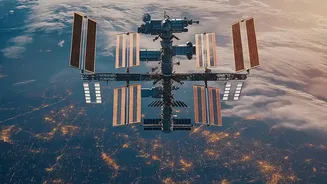
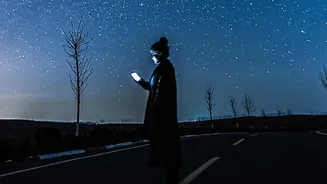
The secret ingredient for many of these apps is augmented reality (AR). By using a phone's built-in GPS and compass, apps like SkyView, Star Walk 2, and Night Sky can identify exactly what you're looking at in real-time. You simply point your phone towards a bright dot in the sky, and the app overlays information directly onto your screen. It will tell you if you are looking at the planet Jupiter, the star Sirius, or a passing satellite like the International Space Station. For beginners, this technology is a game-changer. Intimidating maps of dots and lines are replaced with an interactive experience that feels like magic, drawing constellation shapes and sharing the mythology behind them.
Conquering the Urban Glow
Living in a city often means contending with significant light pollution, which can wash out all but the brightest celestial objects. This has historically been a major deterrent for aspiring urban astronomers. However, modern stargazing apps help users cut through the haze. By showing a precise map of what should be visible, they allow users to identify constellations and planets even if only a few key stars are bright enough to be seen with the naked eye. This empowers city dwellers, helping them spot celestial objects that are technically right above them but hidden by the urban glow. Many apps also feature notifications for major celestial events like meteor showers or planetary alignments, ensuring users don't miss the best opportunities for observation.
From Digital Discovery to Real-World Passion
While the initial engagement happens on a screen, it often doesn't end there. For many young users, these apps serve as a gateway to a deeper passion for astronomy. What starts with identifying Venus from a balcony can evolve into a desire to see more. This digital introduction is helping to fuel a renewed interest in amateur astronomy clubs and societies across India. Groups in cities like Chennai, Pune, and Hyderabad are finding a new generation of curious minds, eager to move beyond the app and look through a real telescope. These platforms are not replacing traditional hobbies but are instead creating a new, accessible entry point, allowing interest to blossom before someone invests in physical equipment.
A New Kind of Social Connection
In an era where technology is often criticized for isolating people, these apps are fostering a unique sense of community. Users can share their celestial discoveries or astrophotography attempts, a feature integrated into several popular apps. More broadly, it connects them to a shared, universal experience. Knowing that someone across the city is also looking at the same meteor shower creates a sense of connection. This turns a solitary activity into a shared one, resonating with a generation that values social experiences and community, even when they are physically apart. It's a shift from passive consumption of online content to active, intentional engagement with the world around them.