






The New Fuel on the Block: What is E20?
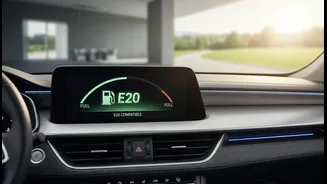
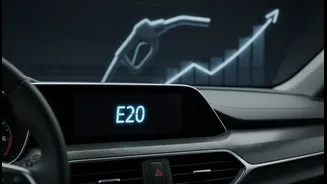
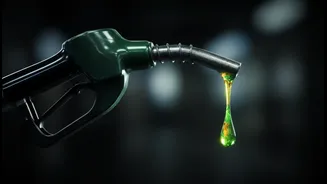
Across India, a quiet but significant change is happening at the fuel pump. E20 petrol, a blend containing 20% ethanol and 80% petrol, is becoming the new standard. This move is part of a larger government strategy to reduce the country's reliance on expensive
imported crude oil, lower carbon emissions, and support the agricultural sector, which produces the ethanol. For years, a lower blend of 10% ethanol (E10) was common, but the accelerated push to E20 marks a major step in India's energy policy. All new cars sold in the country since April 2023 are required to be compatible with this new fuel blend.
The Buyer's Dilemma: Fears Over Performance and Longevity
Whenever a new technology is introduced, questions and concerns are natural. For E20 fuel, these worries have been amplified on social media and in public discussions. Potential buyers, especially those carefully managing their finances, have raised valid questions. Will E20 damage the engine over time? Will it lead to lower mileage, increasing running costs? What happens to the car's resale value? These fears stem from the fact that ethanol has different properties than petrol; it's more corrosive and has a lower energy density, which can affect older, non-compliant vehicles. Stories of potential engine damage and reduced fuel efficiency have made many budget-conscious consumers hesitant about embracing these new vehicles.
The Corporate Safety Net: Enter the Manufacturer Warranty
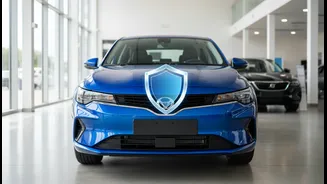
In response to this consumer anxiety, car manufacturers have stepped up with a powerful form of reassurance: their corporate warranty. Leading automakers in India, from Maruti Suzuki to Hyundai and Honda, have been vocal in confirming that their new E20-compliant vehicles are fully covered under warranty. This isn't just a verbal promise; it's a contractual obligation. The Society of Indian Automobile Manufacturers (SIAM) has categorically stated that warranties will be honoured for vehicles using E20 fuel. This official backing from the industry is designed to build confidence and directly counter the misinformation circulating online.
Decoding the Warranty Promise
A standard manufacturer warranty covers defects in material and workmanship. When it comes to E20-compliant cars, this promise extends specifically to the engine and fuel system components. By explicitly stating that their warranties remain intact with the use of E20 fuel, companies are guaranteeing that should any part fail due to the fuel, it will be repaired or replaced at no cost to the owner. This effectively transfers the risk from the consumer back to the manufacturer. It's a statement that says, "We have engineered these cars for this fuel, and we stand by our product." Some manufacturers are even offering extended warranty programmes for up to seven or even ten years, providing long-term peace of mind.
Peace of Mind For Your Pocket
For a budget-conscious buyer, the biggest fear is an unexpected, high-cost repair. A major engine problem could be financially devastating. The manufacturer's warranty acts as a crucial financial shield. It makes the total cost of ownership more predictable by removing the risk of large, unforeseen repair bills related to the new fuel technology. Knowing that the car's most critical and expensive components are protected allows a buyer to focus on the other benefits of a new vehicle—such as better fuel efficiency compared to an older car, modern safety features, and a lower environmental impact—without the looming fear of reliability issues. The warranty turns the purchase from a gamble into a calculated, secure investment.
The Court's Stance and Future Security
The importance of this compatibility and warranty has recently been underlined by the judiciary. In a notable case in July 2026, a consumer court ordered a major manufacturer to replace a vehicle that was sold in 2024 but was not E20-compatible, after it developed recurring faults. The court ruled that selling a non-compliant vehicle without informing the buyer amounted to a deficiency in service. This ruling reinforces the responsibility of manufacturers and dealers, further strengthening the position of the consumer. It sends a clear message that compatibility is not optional. For new car buyers, this legal precedent adds another layer of reassurance, ensuring that the promise of E20 compatibility and the warranty that backs it are taken seriously by the entire industry.