



The New Reality of Rain
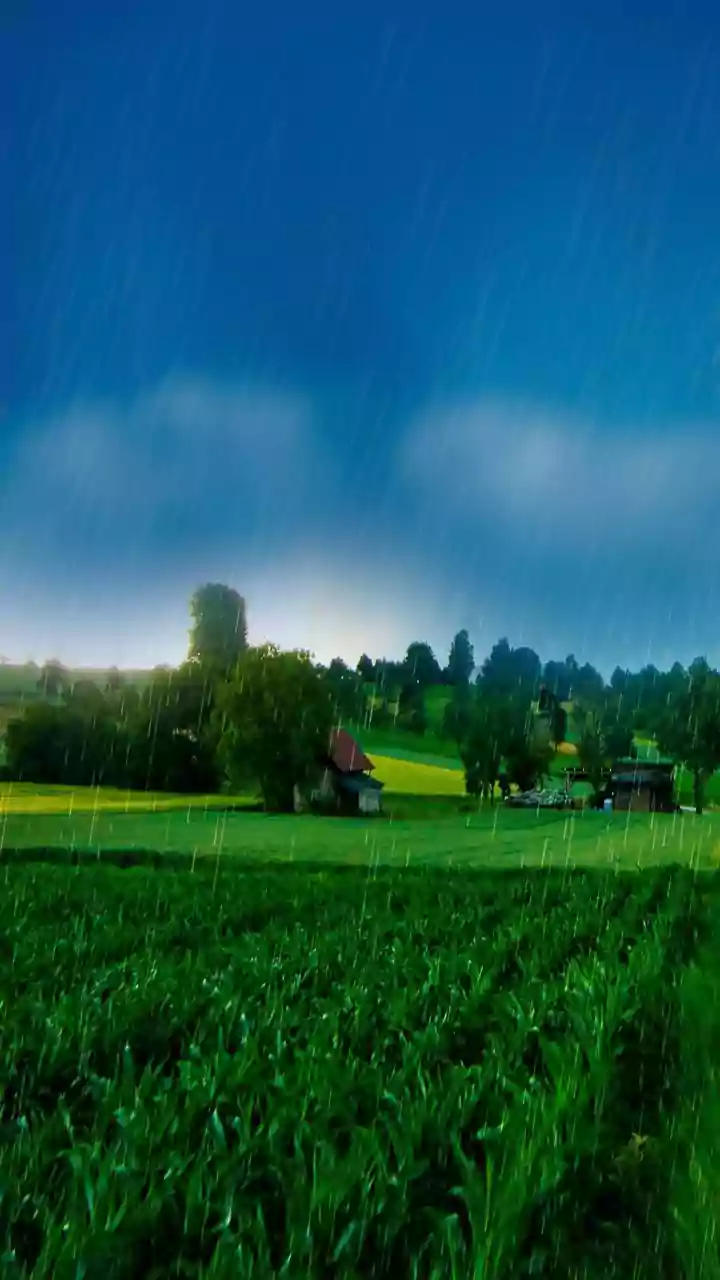
For centuries, the rhythm of life in India has followed the monsoon. This predictability shaped not just agriculture but also the natural cycles of forests. However, "uneven rainfall" is the new, unsettling norm. This doesn't just mean a 'good' or 'bad'
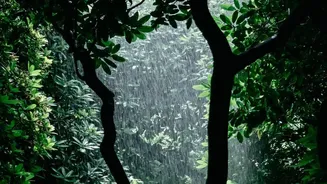
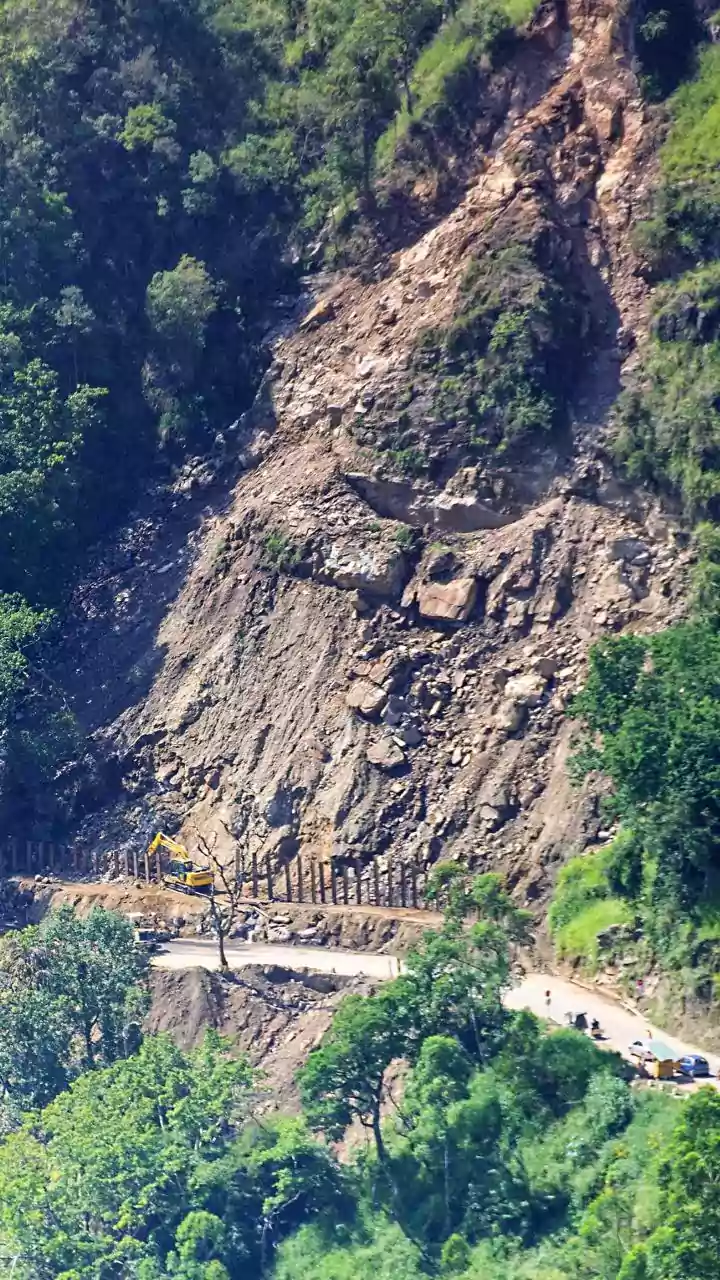
monsoon in terms of total volume. It refers to a dangerous volatility: delayed onset, long dry spells punctuated by sudden, intense downpours, and significant regional variations. One area might suffer from drought-like conditions, while another faces floods from a cloudburst. This collapse of predictable timing is a core challenge, as forest ecosystems are synchronised with seasonal cues. Extended dry periods increase the risk of forest fires, while deluges cause runoff and soil erosion instead of replenishing groundwater, creating a landscape of extremes.
How Trees React to Water Stress
Trees, like all living things, need water, but they are highly sensitive to its delivery. Too little water, and they face drought stress. This can reduce growth, cause leaves to shed, and make them more vulnerable to pests and diseases. In central India, for instance, consistently warming temperatures and reduced precipitation have been linked to significant canopy loss, especially in dry teak forests. Conversely, too much water in a short period can be just as damaging. Extreme rainfall can lead to waterlogged soil, which suffocates roots by depriving them of oxygen. This dual threat of both deficit and surplus puts immense physiological stress on trees, disrupting their life cycles and overall health.
A Shifting Map of Forest Types
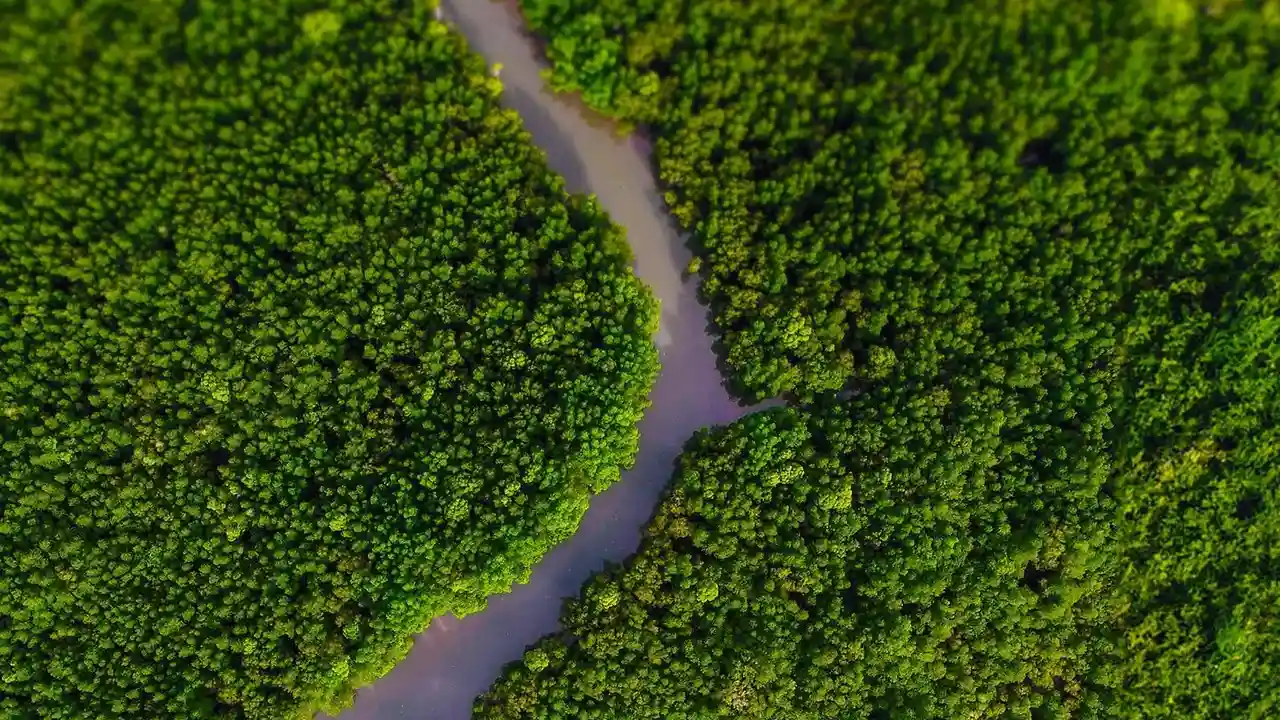
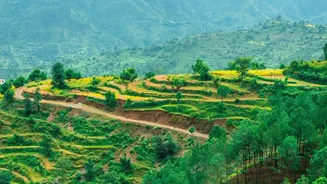
Different forests across India are responding to these changes in unique ways. In the Western Ghats, a biodiversity hotspot, studies project a troubling shift. The habitat suitable for moisture-loving evergreen and deciduous species is expected to shrink. Simultaneously, the area suitable for drought-tolerant thorn forests is projected to expand significantly. This suggests a biome-level transition towards drier, more arid types of forests, driven by rising temperatures and more seasonal, erratic precipitation. Similarly, in parts of central India, there's evidence of a decline in Sal forests, which are being replaced by more dry deciduous species. Even the mighty Himalayan forests are showing signs of becoming more xeric (drier) as climate change impacts regional hydrology.
The Ripple Effect on Ecosystems
The changes in tree growth and forest composition have cascading consequences. When dominant tree species decline, the entire ecosystem is affected. Wildlife that depends on specific trees for food and shelter faces habitat loss. For example, altered flowering and fruiting seasons due to erratic weather can disrupt the life cycles of birds, insects, and mammals that have evolved in sync with these patterns. The recent disruption of the Matheran Wrinkled Frog's breeding cycle in the Western Ghats due to a sudden break in the monsoon is a stark example of this. Furthermore, these shifts threaten the livelihoods of forest-dependent communities that rely on non-timber forest products, which are often more vulnerable to climate shifts than timber. The degradation of forest health also compromises their ability to store carbon, regulate water cycles, and prevent soil erosion, affecting the wider environment.