





More Than Dirt: The World Beneath Our Feet
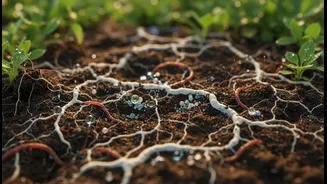
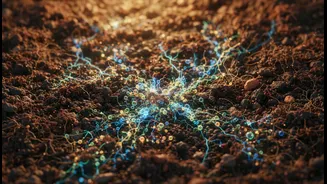
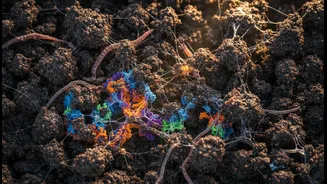
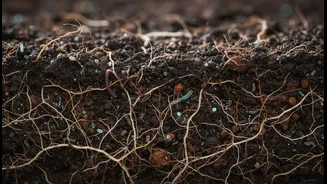
When we think of soil, we often picture a simple brown medium for growing plants. But this view misses the most critical element: life. Healthy soil is a dynamic, living ecosystem, teeming with billions of bacteria, fungi, protozoa, and other microbes.
This intricate community is the foundation of soil health, which is defined as the soil's continued capacity to function as a vital ecosystem that sustains plants, animals, and humans. In a single teaspoon of healthy soil, there can be more microorganisms than there are people on Earth, all working together in a complex web of life that dictates the fertility and resilience of our agricultural lands. This invisible world is the engine that drives nutrient cycling, water regulation, and ultimately, food production.
The Unseen Workforce: Meet the Soil's Residents
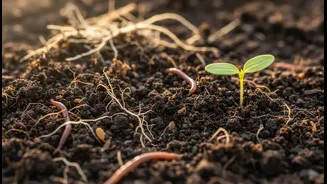
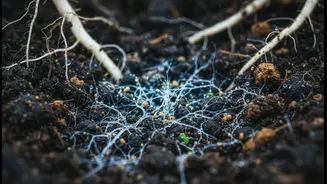
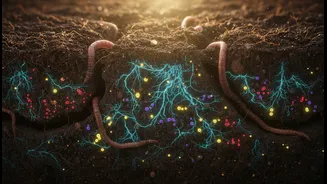
The soil community is a diverse cast of characters, each with a crucial role. Bacteria and fungi are the primary decomposers, breaking down dead organic matter and transforming it into nutrients that plants can absorb. Mycorrhizal fungi, for instance, form symbiotic relationships with plant roots, extending their reach and helping them access water and phosphorus. Earthworms, often called 'ecosystem engineers', tunnel through the soil, aerating it and improving its structure. This underground workforce is responsible for creating a soil environment that is fertile, well-drained, and capable of supporting robust plant growth. The diversity of this community is key; a wide variety of organisms ensures that multiple ecosystem functions are performed, making the soil more resilient to disturbances.
How a Living Soil Feeds Your Crops
A healthy soil community directly translates to healthier, more productive crops. These microorganisms are essential for nutrient cycling, making vital elements like nitrogen and phosphorus available to plants. This natural fertility reduces the need for synthetic fertilisers. Furthermore, healthy soil structure, built by organic matter and microbial activity, allows it to act like a sponge, absorbing and holding water more effectively. This improves drought resistance and reduces runoff and erosion. A thriving soil microbiome can also help suppress plant diseases by outcompeting pathogens for resources or producing protective compounds. Ultimately, fields with a rich soil community produce higher yields and more resilient crops, capable of withstanding the stresses of variable weather.
When the Community Collapses: The Cost of Degraded Soil
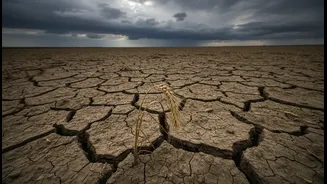
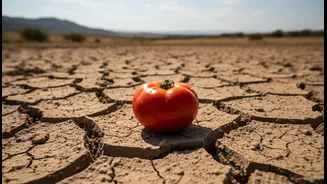
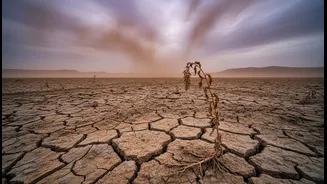
Unfortunately, many modern agricultural practices have disrupted these delicate soil communities. Intensive tillage, overuse of chemical fertilisers and pesticides, and monocropping can devastate the soil microbiome. Tillage, for example, breaks up the soil structure and fungal networks, while chemicals can harm beneficial microbes. In India, it's estimated that nearly 30% of the land is degraded, suffering from erosion, nutrient depletion, and loss of organic carbon. This degradation leads to a vicious cycle: farmers must use more chemical inputs to compensate for the loss of natural fertility, further harming the soil. The consequences include lower crop yields, reduced food quality, and increased vulnerability to climate shocks, threatening the nation's food security.
Reviving the Land: Farming for a Healthy Soil Future
The good news is that we can restore the health of our soils. A growing movement known as regenerative agriculture focuses on practices that rebuild soil ecosystems. Key principles include minimising soil disturbance through no-till or reduced-tillage farming, keeping the soil covered with cover crops or mulch, increasing biodiversity through crop rotation, and integrating livestock. Practices like composting and using organic amendments feed the soil's microbial workforce. By shifting from working against nature to working with it, farmers can revive the living communities in their soil, leading to increased long-term profitability, enhanced resilience, and a more sustainable food system for future generations.