



The Allure of the Rainforest Route
Often called the “Cherrapunji of the South,” Agumbe is a village in the Shivamogga district of Karnataka, renowned for its dense rainforests and heavy rainfall. The roughly 350-kilometre drive from Bangalore takes you into the heart of the Malnad region,
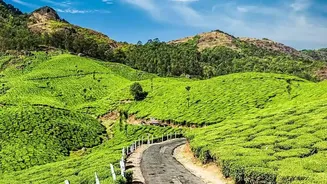
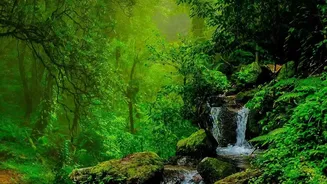
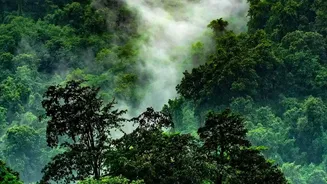
a journey that becomes magical during the monsoon. While there are a few route options, many travellers prefer the one via Hassan, Belur, and Sringeri, which offers a blend of good roads and scenic beauty. As you leave the city behind, the landscape morphs into a canvas of endless green, with mist-laden hills and the fresh scent of rain-washed earth creating an immersive experience.
Photo Stop: The Iconic Sunset View Point
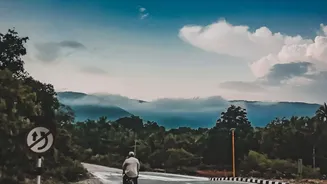
Though its name suggests otherwise, the Sunset View Point is a must-visit even during a cloudy monsoon day. Located on one of the highest peaks in the Western Ghats, this spot offers a panoramic vista of the sprawling forests below. During the monsoon, you won't see a clear sunset over the Arabian Sea, but you'll witness something equally dramatic: a sea of rolling clouds and thick fog that blankets the landscape, creating a mysterious and ethereal atmosphere perfect for photography. It's situated at the 14th hairpin bend on the Udupi-Agumbe road, making it an easily accessible stop.
Photo Stop: The Majestic Barkana Falls
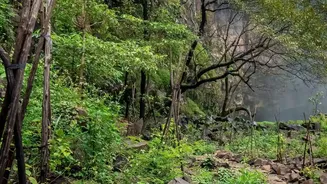
Plunging from a height of approximately 850 feet, Barkana Falls is one of the tallest waterfalls in India. The view is spectacular during the monsoon when the Seeta River, which feeds the falls, is at its most powerful. While a viewpoint offers a distant glimpse, adventurers can trek through the dense rainforest for a closer look, though this requires permission from the forest department and is best done with a local guide. The raw power and pristine backdrop make it a prime location for capturing the untamed beauty of the Western Ghats.
Photo Stop: Jogi Gundi and Onake Abbi Falls
For those who prefer their waterfalls with a side of adventure, Jogi Gundi and Onake Abbi Falls are excellent choices. Jogi Gundi is unique as it originates from a cave and cascades into a natural pool, making for an intimate and serene photo opportunity. It's named after a saint who is said to have meditated there. Onake Abbi Falls requires a trek of about 4-5 km through the forest. Its name, derived from the Kannada word for a pounding stick ('Onake'), hints at its narrow, powerful stream of water. Both offer a chance to capture the rainforest's deeper, more secluded wonders.
Monsoon Safety: Preparing Your Vehicle
The beauty of the Agumbe ghats comes with significant responsibility. Before starting, ensure your vehicle is monsoon-ready. Check your tyres for adequate tread depth to prevent skidding on slippery roads. Your brakes must be in optimal condition to handle the steep descents without fading. Perhaps most crucial are your wiper blades; old, worn-out wipers are a major hazard in a downpour. Also, confirm that all your lights, especially low beams and fog lamps, are fully functional for navigating the dense fog that can appear suddenly.
Navigating Treacherous Ghat Roads
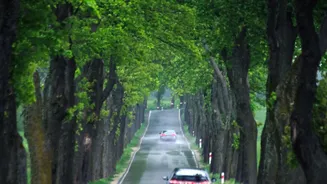
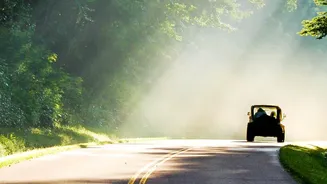
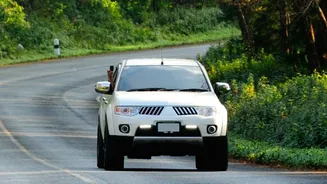
The Agumbe ghat section is notorious for its narrow roads, sharp hairpin bends, and poor visibility during the monsoon. Always drive at a moderate speed, honk on blind turns, and maintain a much larger following distance than you would on dry roads. Use low-beam headlights in fog or heavy rain, as high beams reflect off water droplets and worsen visibility. On steep descents, use engine braking by shifting to a lower gear to avoid overheating your brakes. If visibility drops to near-zero, the safest option is to find a secure spot to pull over and wait for conditions to improve.
Be Alert for Landslides and Roadblocks
Landslides are a real threat in the Western Ghats during heavy rains. Stay vigilant for warning signs like mud on the road, cracked pavement, or the sound of rumbling debris. Uprooted trees can also block the highway for hours. Authorities often restrict heavy vehicle movement on the ghat during peak monsoon to prevent road damage and reduce risks, but light vehicle drivers must remain cautious. Before you travel, always check the latest local advisories and road conditions, as routes can be closed with little notice.