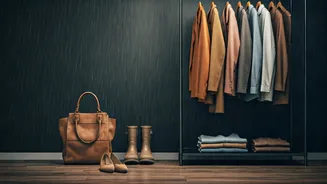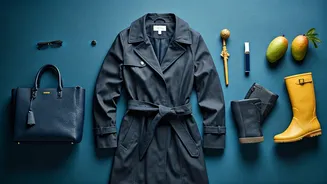




Start with Smart Fabrics
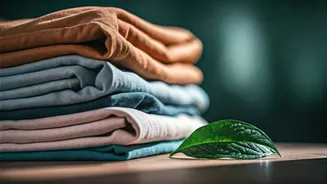
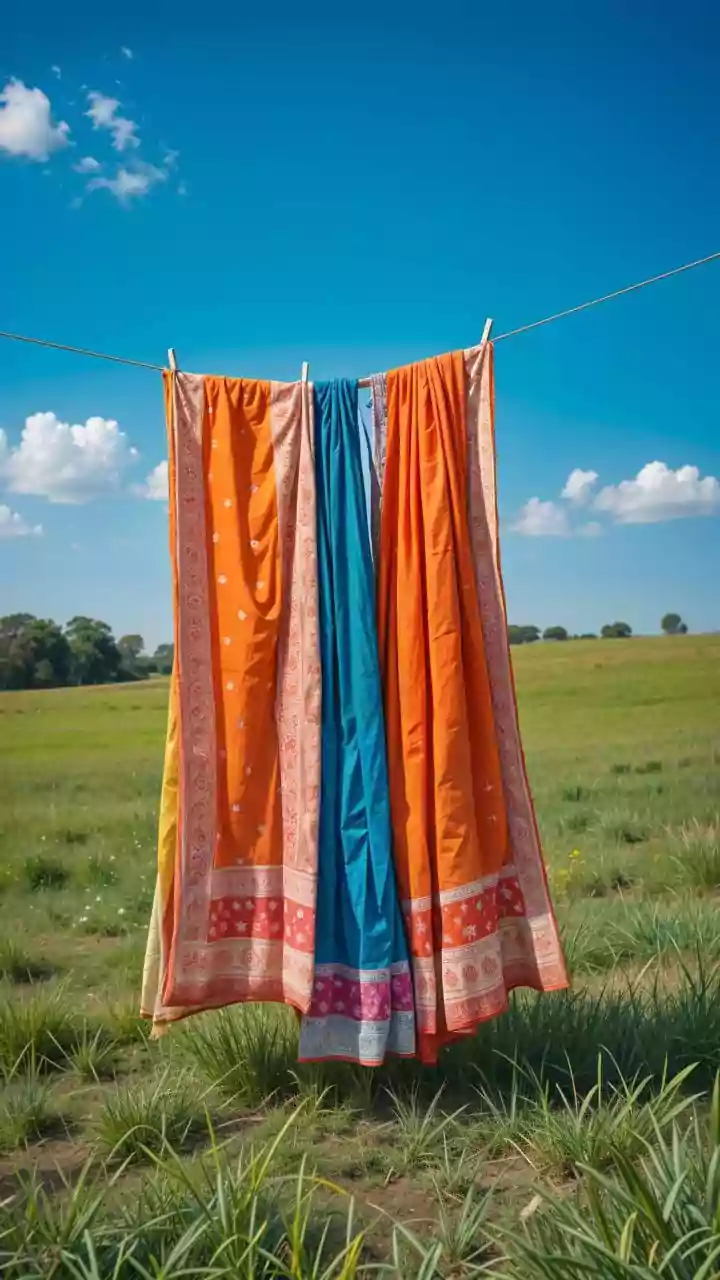
The foundation of any sensible monsoon wardrobe is the fabric. Heavy materials that absorb water, like thick denim, pure cotton, and linen, are your enemies during the rainy season as they take forever to dry and can lead to skin issues. Instead, embrace
the world of quick-drying and water-resistant textiles. Synthetics like polyester and nylon are excellent choices; their tight weave naturally repels water and they dry in a flash. For a more breathable feel without sacrificing function, look to fabrics like rayon, georgette, and viscose blends. These materials are lightweight, don't cling uncomfortably in the high humidity, and can handle an unexpected drizzle with grace. While some might suggest cotton, it's best to opt for cotton-blends that won't hold onto moisture for long.
Rethink Your Footwear
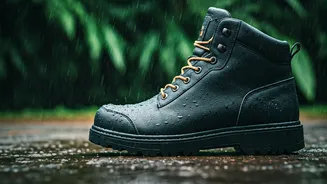
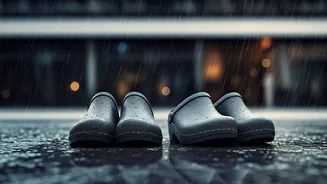
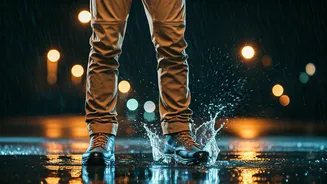
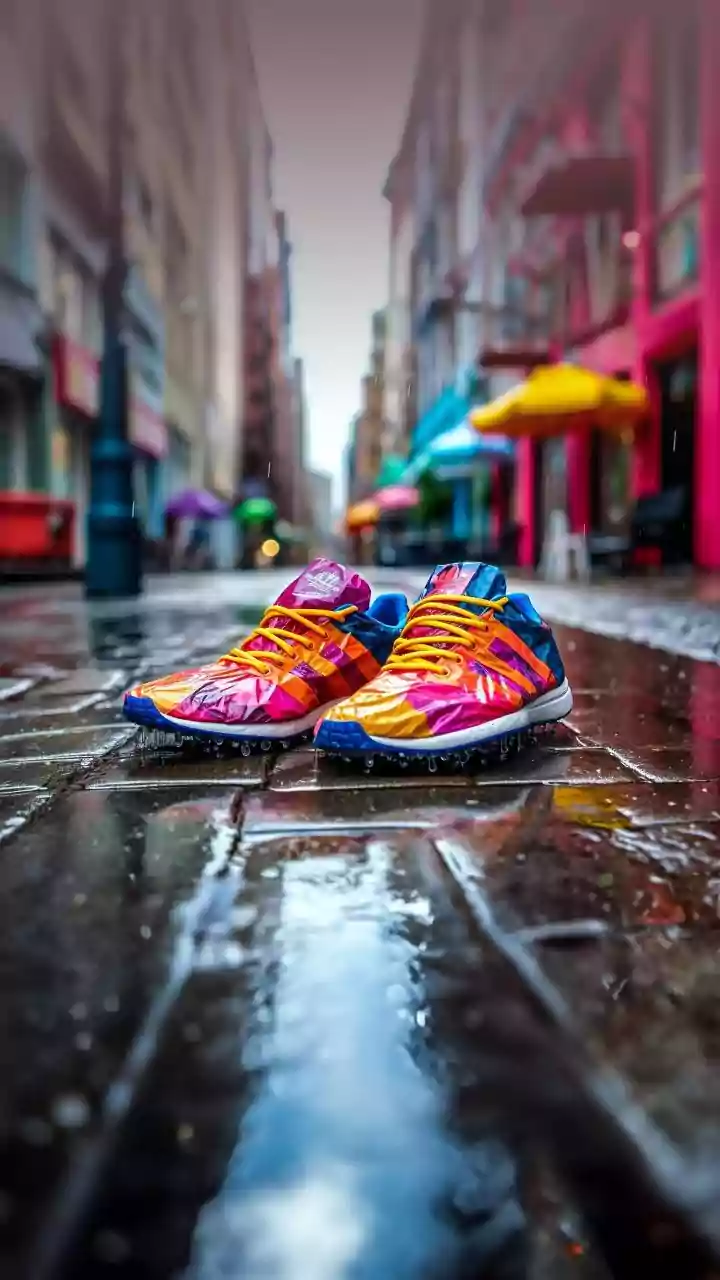
Nothing ruins a day faster than soggy, squelching shoes. It’s time to temporarily retire your beloved leather loafers, suede pumps, and canvas sneakers, as water can cause them irreparable damage. The monsoon calls for footwear that is waterproof, easy to clean, and, most importantly, has a good grip to navigate slippery pavements. Rubber or PVC-based footwear is ideal. Stylish options abound, from colourful rubber boots and chic PVC flats to water-friendly sandals and clogs. Brands now offer a wide range of fashionable waterproof shoes, including loafers and even sneakers made from synthetic materials, proving you don't have to choose between dry feet and a stylish look. Anti-skid soles are a non-negotiable feature to prevent slips and falls.
Embrace Shorter Hemlines and Lighter Layers
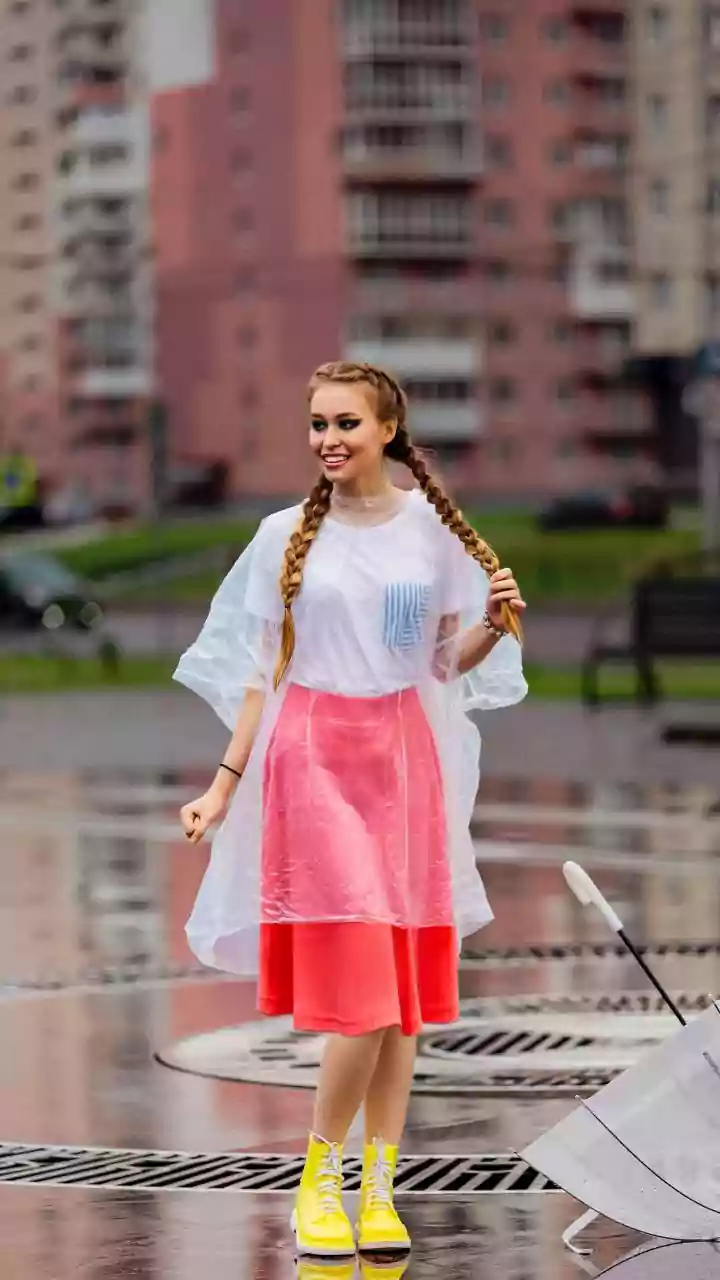
Navigating water-logged streets and muddy puddles is a daily monsoon challenge. This is where strategic hemlines come into play. Opt for shorter lengths to avoid dragging your clothes through the muck. Cropped trousers, culottes, shorts, and knee-length dresses or skirts are your best friends. They not only keep your clothes clean but also create a breezy, comfortable silhouette that’s perfect for humid weather. Maxi dresses and floor-length kurtas, while elegant, are best saved for drier days. When it comes to ethnic wear, choose shorter kurtis paired with leggings or churidars. Layering should also be light; think of a packable waterproof jacket or a stylish poncho that you can easily throw on during a downpour and stow away when the sun comes out.
Accessorise with Purpose
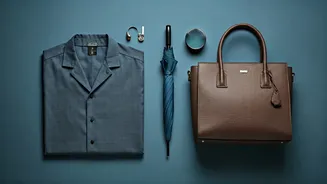
Monsoon accessories are about more than just aesthetics; they are functional shields. A sturdy, wind-resistant umbrella is the first line of defence. But waterproofing your life doesn't stop there. Invest in a stylish waterproof handbag or a backpack with a rain cover to protect your essentials like your phone, wallet, and laptop. Many brands now offer chic totes and backpacks made from materials like PU-coated fabrics or nylon. For your tech, a waterproof phone pouch is a small but crucial investment. When it comes to jewellery, it's wise to avoid heavy metal pieces that can tarnish in the humidity; opt for lighter, non-metal accessories instead.
Don't Neglect Clothing Care
The battle against monsoon dampness continues even after you’re indoors. The high humidity can lead to mildew and a persistent musty smell in your clothes and wardrobe. The cardinal rule is to never leave damp clothes in a laundry basket. Wash them as soon as possible. When drying, since sunlight is scarce, hang clothes in a well-ventilated indoor area, perhaps with a fan to aid circulation. Ensure clothes are completely dry before storing them. Ironing can help remove any last traces of moisture. Placing silica gel packets, camphor balls, or neem leaves in your closet can help absorb excess moisture and keep your wardrobe smelling fresh.