




A Trend Born from Tradition
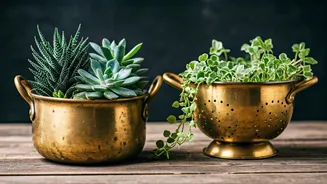
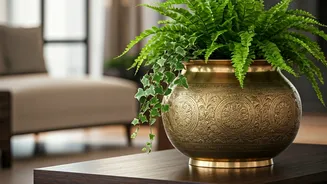
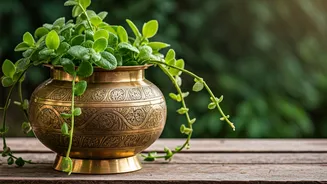
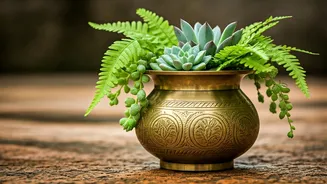
Across Instagram feeds and in the pages of high-end decor magazines, a captivating trend has taken root. Traditional Indian brass cookware, once the workhorses of palatial kitchens and temple ceremonies, are being reimagined as statement plant pots. These
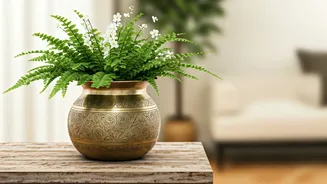
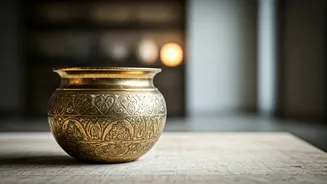
are not your average terracotta or ceramic planters; these are vessels steeped in history, their burnished surfaces telling stories of a bygone era. Items like the wide-mouthed *urli*, the deep-bellied *handi*, and other assorted brass pots are finding a new, glamorous life, bringing a unique sense of warmth, culture, and undeniable luxury to contemporary homes.
The Vessel's Journey: From Kitchen to Corner
To understand the appeal, one must look at the origin of these pieces. The *urli*, for instance, is a shallow, circular vessel traditionally used in South Indian homes, particularly in Kerala, for cooking large quantities of food during feasts and festivals. Its wide shape made it ideal for preparing dishes like *payasam*. Similarly, the *handi* was a staple across India for slow-cooking curries and biryanis. Forged by skilled artisans, these vessels were designed for durability and even heat distribution. Their transformation into planters is a beautiful act of adaptive reuse, honouring the craftsmanship and history of the object while giving it a new purpose in a modern context.
Why Brass is a Brilliant Choice
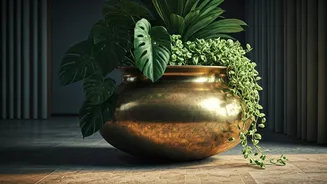
The choice of brass is significant. In Indian tradition, brass (an alloy of copper and zinc) is considered a pure metal, or *'shuddha dhatu'*, often used in religious ceremonies and for serving food. Beyond its cultural significance, brass possesses a unique aesthetic quality. When new, it has a brilliant, golden shine that catches the light beautifully. Over time, it develops a rich, dark patina that adds character and a sense of antiquity. This living finish means that no two aged brass pots are exactly alike. The metal is also incredibly durable and resistant to corrosion, making it a practical, long-lasting choice for housing plants, far outlasting many contemporary alternatives.
Styling Your Brass Planter
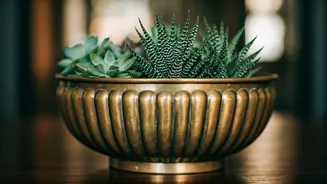
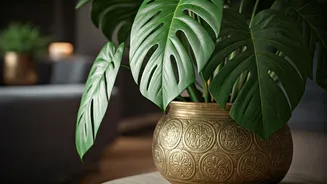
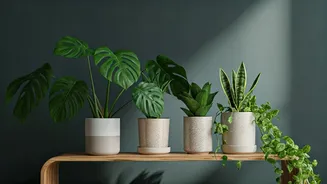
Integrating these pieces into your home decor is about creating a focal point. A large *urli* filled with water and floating flowers or candles, placed near an entryway, creates a classic, welcoming gesture reminiscent of traditional Indian hospitality. As a planter, its shallow form is perfect for creating a miniature water garden with lilies or for planting a collection of succulents. A deeper *handi* or other brass pot can house larger foliage plants like a Fiddle Leaf Fig or a Monstera, with the brilliant green leaves creating a stunning contrast against the warm gold of the metal. Grouping several smaller brass vessels of different shapes and sizes can create a dynamic and eclectic display on a balcony or a side table. The key is to let the vessel shine; don't overcrowd it, and choose a plant that complements its shape and scale.
Finding and Caring for Your Piece
Acquiring these treasures can be part of the joy. Authentic, antique pieces can be found in old-city markets, antique shops, or may even be heirlooms hiding in your grandmother’s storeroom. For those who prefer a newer item, many artisans and brands now create high-quality reproductions that capture the essence of the traditional designs. Caring for brass is straightforward. For a polished look, a regular cleaning with a mixture of lemon juice and salt, or a commercial brass cleaner like Brasso, will restore its shine. However, many prefer to let the natural patina develop, which requires little more than a gentle wipe-down to remove dust. If using it as a planter, it's wise to place a plastic liner or a smaller pot inside to protect the brass from direct, prolonged contact with moist soil, which can accelerate tarnishing.