



The Great Indian Spice Debate
For generations, the question of “how spicy?” has been central to the Indian dining experience. It’s a matter of personal pride, regional identity, and sometimes, sheer endurance. Traditionally, the spice level of a dish was determined by the chef, guided
by the recipe's regional origins. A Laal Maas from Rajasthan was expected to be fiery, while a Bengali Chingri Malai Curry would be milder. Diners simply chose their dishes, and the heat followed. But today, a quiet revolution is taking place in restaurants across the country. From casual cafes to fine-dining establishments, menus are increasingly offering a choice: fresh chilli for a sharp kick, dried flakes for a slow burn, or no chilli at all. This isn't just about customisation; it's a recognition that the Indian palate is no longer a monolith.
Fresh Heat vs. Slow Burn
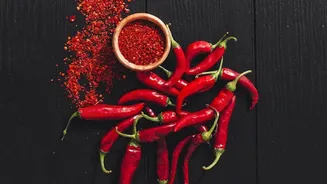
To the uninitiated, chilli is just chilli. But for those who appreciate the nuance, the choice between fresh and dried is significant. Fresh green or red chillies deliver a bright, sharp, and immediate heat. The capsaicin—the compound that makes chillies hot—is accompanied by a fresh, almost fruity or grassy flavour profile that can lift a dish. They are often added towards the end of cooking or used as a garnish to provide a vibrant, pungent kick. In contrast, dried chilli flakes, made from dehydrated peppers, offer a different kind of warmth. The drying process concentrates the capsaicin, often making the flakes hotter by weight than their fresh counterparts. The flavour is deeper, smokier, and the heat builds more slowly on the palate. This slow burn provides a lingering, foundational warmth rather than a sharp, fleeting jolt, making it ideal for integrating into sauces and curries from the start.
Why We Crave the Kick
The love for spicy food is a fascinating psychological phenomenon. When capsaicin hits the pain receptors in our mouth, our brain interprets it as a mild form of pain or heat. In response, it releases endorphins, the body's natural painkillers, which create a sense of pleasure or even mild euphoria often described as a 'chilli high'. This process also triggers a release of dopamine, the reward neurotransmitter, making us want to come back for more. For many, building a tolerance to spice is a badge of honour. Regular exposure desensitises the pain receptors, allowing a person to handle increasingly hotter foods. This mix of a physical rush and a psychological challenge is what makes spicy food so compelling for so many people around the world.
Spice as a Cultural Identity
In India, spice is far more than just an ingredient; it is woven into the fabric of cultural and regional identity. The country's vast and varied history, shaped by ancient trade routes, has resulted in each region developing its own signature spice blends, or masalas. South Indian cuisines, for example, traditionally used black pepper for heat before the Portuguese introduced chillies in the 1500s. Today, cuisines from Andhra and Telangana are famously fiery, while North Indian dishes from the Mughal tradition might use chillies more for colour and a subtle warmth, balancing them with aromatic spices like cardamom and cinnamon. Spices were also historically used for their medicinal and preservative properties, especially in hot climates. This deep-rooted history means that offering a choice in spice can sometimes be seen as diluting authenticity.
The Smart Restaurant Strategy
So why are restaurants embracing this customisation? It’s simply good business. Modern India is a melting pot of global and local cultures. A single restaurant table might host a spice-loving local, an expat with a milder palate, an older family member advised to eat less spice, and a child. Catering to this diversity is key to success. Many restaurants now prepare a mild base gravy and add chilli paste, powder, or fresh chillies to order. This allows for consistency while offering personalised heat levels. This trend is part of a broader movement towards bespoke dining experiences, where customers expect their individual preferences to be met. By empowering diners to choose their own adventure—from mild to extra hot—restaurants create a more inclusive and welcoming environment, ensuring that no one is left out of the culinary experience.
The Case for 'None'
Perhaps the most significant option on this new spectrum is 'none'. The choice to opt-out of chilli entirely challenges the long-held stereotype that all Indian food must be spicy. For years, those who preferred milder food often felt sidelined. Today, there's a growing understanding that 'spicy' doesn't automatically equal 'flavourful'. Indian cooking relies on a complex bouquet of spices like turmeric, coriander, cumin, cloves, and cinnamon to create depth and aroma, with chilli being just one component. The 'no chilli' option caters not only to personal preference and international guests but also to a rising consciousness around health, with many people choosing to avoid excessive heat for digestive wellness. It signals a maturation of the Indian food scene, where flavour is celebrated in all its forms, not just its spiciest.