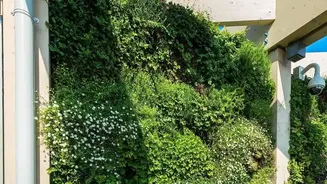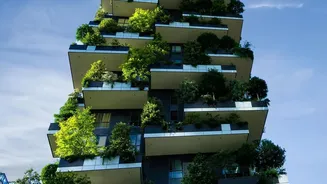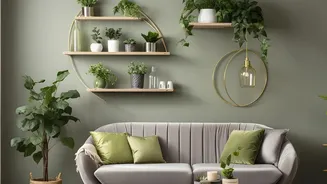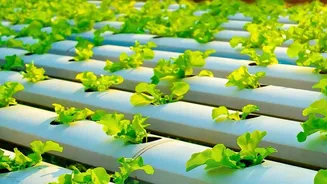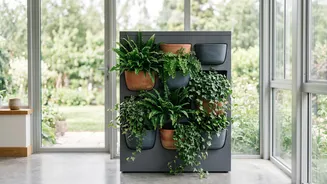





Vertical gardens transform walls into vibrant, living art. But the fear of constant upkeep can be daunting. The secret to a low-maintenance green wall isn't endless work; it's smart planning right from the start. Here’s what you need to know.
Choose a Maintenance-Friendly System
The foundation
of an easy-care vertical garden is the structure itself. Not all planters are created equal. Look for modular systems with individual pots or pockets. This design allows you to easily remove a single plant for care or replacement without disturbing the entire wall. Good drainage is also non-negotiable. Planters must have drainage holes to prevent water from pooling at the bottom, which leads to root rot and other diseases. A system with poor drainage creates a constant battle to keep your lower-tier plants from becoming waterlogged while the top ones dry out.
Automate Your Watering
Watering is the biggest chore and the most common point of failure in vertical gardening. Due to gravity and increased air exposure, vertical planters dry out quickly and unevenly. A drip irrigation system is a game-changer for maintenance. These systems deliver water directly to the base of each plant, ensuring consistent moisture and reducing water waste. Hooked up to a simple timer, an automated system removes the daily guesswork and stress, especially during hot weather. For smaller setups, self-watering planters with built-in reservoirs are an excellent low-tech alternative, allowing plants to draw moisture as needed.
Select the Right Growing Medium
Standard garden soil is too heavy and dense for vertical planters. It compacts easily, restricts airflow to the roots, and drains poorly, leading to root suffocation. Instead, opt for a lightweight, well-draining potting mix designed for containers. For best results, create your own or amend a pre-made mix with ingredients like coconut coir and perlite. Coco coir is fantastic for retaining moisture evenly, while perlite, a type of volcanic glass, creates air pockets that prevent compaction and improve drainage. This combination creates a soil structure that is light enough for the wall and provides the right balance of moisture and aeration for healthy roots.
Pick Low-Maintenance Plants
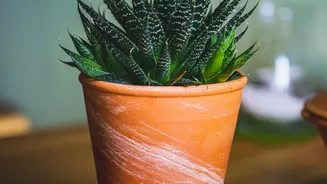
Your plant selection will largely determine your garden's maintenance needs. For Indian climates, choose hardy plants that are well-suited to your specific light conditions. For sunny, hot spots, succulents like Sedum and Echeveria, or flowering plants like Portulaca and Vinca (Sadabahar), are excellent choices as they are drought-tolerant. For shaded balconies or indoor walls, forgiving plants like Money Plant (Pothos), Spider Plant, Philodendron, and various ferns thrive with minimal fuss. These plants are adaptable, require less frequent attention, and can handle the unique conditions of a vertical setup. Always group plants with similar light and water needs together.
Mind the Light and Location
Where you place your vertical garden is crucial. Most plant failures outdoors are due to a mismatch between the plant's needs and the location's sun exposure. A south facing wall that gets intense afternoon sun will scorch shade loving plants like ferns. Before you build, observe the spot throughout the day to understand how much direct and indirect light it receives. For indoor gardens, you will almost always need to supplement with full spectrum grow lights, as few plants will survive in light levels below 1000 lux. Proper placement reduces plant stress, which in turn reduces the need for intervention.
Simplify Your Routine Care
An easy to maintain garden still needs some attention. Schedule a quick check once a month to keep things in top shape. Prune or trim any plants that are getting overgrown to maintain a compact appearance and ensure all plants get enough light. Snip off any yellowing leaves or spent flowers to encourage new growth. Because nutrients wash out of container systems more quickly, feed your plants with a balanced liquid fertiliser every few weeks during the growing season. Finally, keep an eye out for common pests like aphids or spider mites, which are easier to treat when caught early.