


A Gift from Halley's Comet
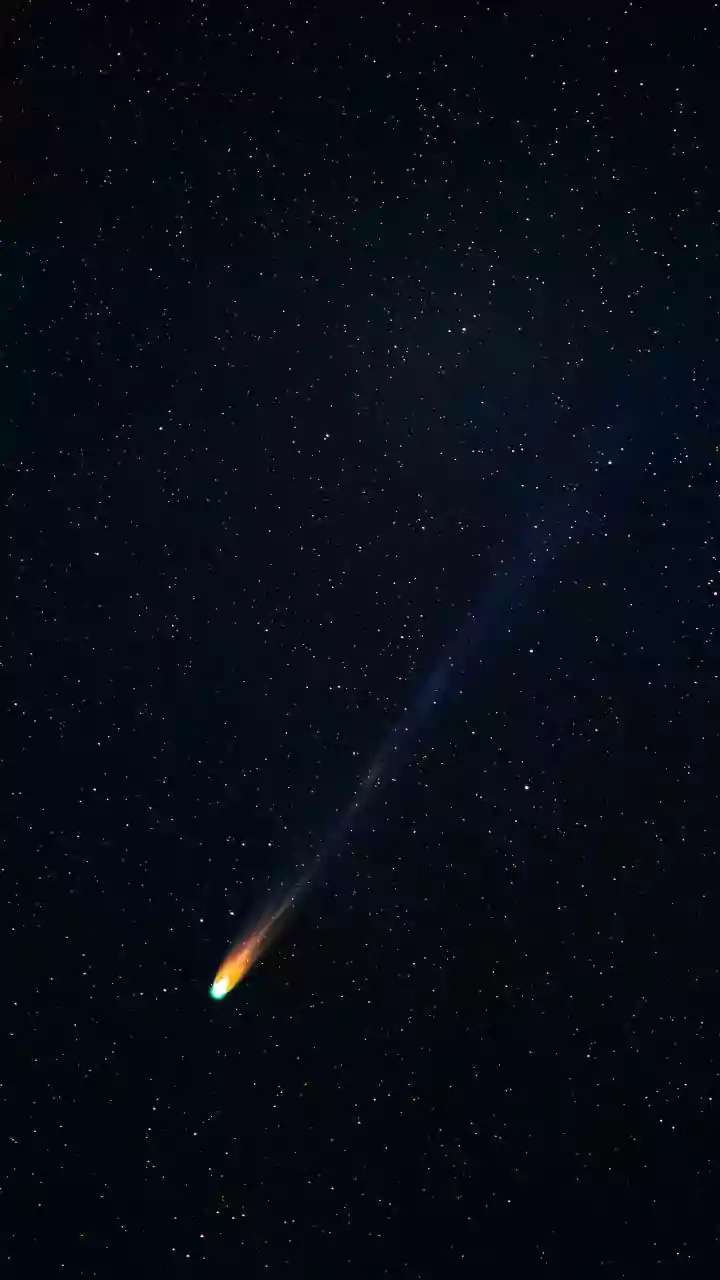
The Orionid meteor shower is one of the most beautiful celestial events of the year. These meteors are actually tiny pieces of debris left behind by the famous Halley's Comet. Each October, Earth’s orbit takes it through this ancient stream of dust and
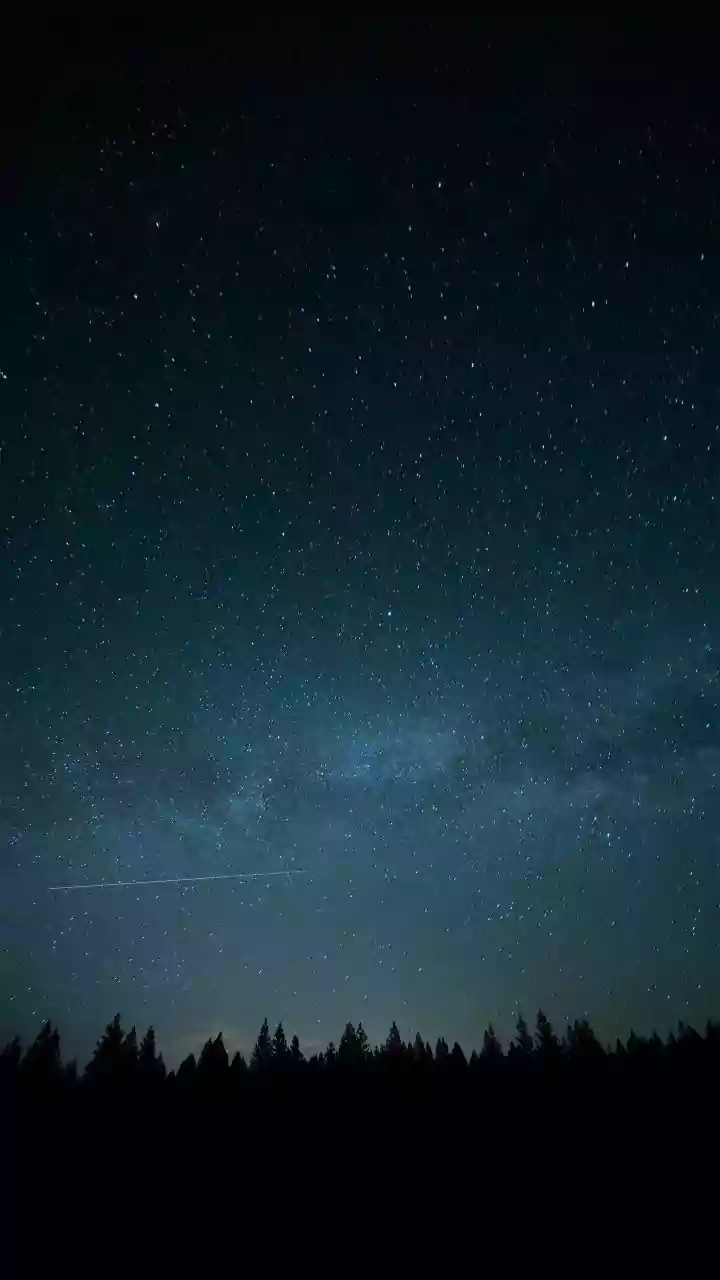
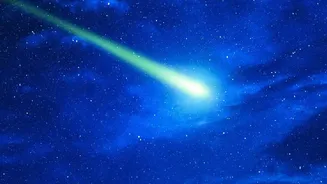
ice. When these particles, some no bigger than a grain of sand, hit our atmosphere at incredible speeds—around 66 kilometres per second—they burn up, creating the brilliant streaks of light we call meteors or shooting stars. They are known for being particularly fast and bright, sometimes leaving glowing trails that can linger for several seconds.
Mark Your Calendar: The Best Time to Watch
While the headline says 'tonight', the Orionid meteor shower is an event that spans several weeks. The shower is active from early October to early November. For stargazers in 2026, the peak activity will occur on the night of October 21-22. The best viewing window is in the pre-dawn hours, after midnight, when the sky is at its darkest. In 2026, the moon will be bright during the early part of the night, but it sets around 3 a.m. This creates a perfect, dark window from moonset until dawn to watch for the highest number of meteors.
Beat the Urban Glow
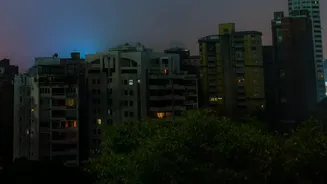
Viewing a meteor shower from a city is challenging but not impossible. The biggest obstacle is light pollution, the glow from streetlights and buildings that washes out all but the brightest stars. To improve your chances, find the darkest spot you can. This might be a large park, a high-rise rooftop with an unobstructed view, or even just the darkest corner of your own balcony, away from direct streetlights. If possible, travelling even 30 minutes outside the city can dramatically increase the number of meteors you'll see. Wherever you are, try to position yourself so that buildings or trees block the most intense sources of direct light.
The Only Gear You Need
The best part about meteor showers is that you don't need a telescope or binoculars. In fact, they are a hindrance because they limit your field of view, and you want to see as much of the sky as possible. Your essential equipment is much simpler: a comfortable chair, a warm blanket, and maybe a flask of a hot beverage to stay warm. The most crucial tool, however, is patience. Meteor watching involves waiting for brief, unpredictable moments of wonder.
Your Step-by-Step Viewing Plan
First, get comfortable and allow your eyes to fully adapt to the darkness. This process, known as dark adaptation, takes about 20 to 30 minutes. During this time, do not look at your phone screen or any other bright white light, as it will reset your night vision. If you need a light, use a red flashlight, as red light is less disruptive to your eyes. Lie back and look up, taking in as wide a patch of sky as you can. While the meteors appear to radiate from the constellation Orion, they can show up anywhere in the sky. In fact, looking about 45 degrees away from the radiant can often yield longer and more spectacular streaks.
Set Your Expectations
Even during the peak, don't expect a constant downpour of meteors. Under perfect, dark-sky conditions, you might see 15 to 20 meteors per hour. From a city, that number will be much lower—perhaps only a few of the brightest ones per hour. But the thrill is in the chase. Spotting a single, super-fast Orionid blazing across the urban sky is a memorable experience. Each streak is a fleeting connection to a comet that has journeyed through our solar system for millennia.