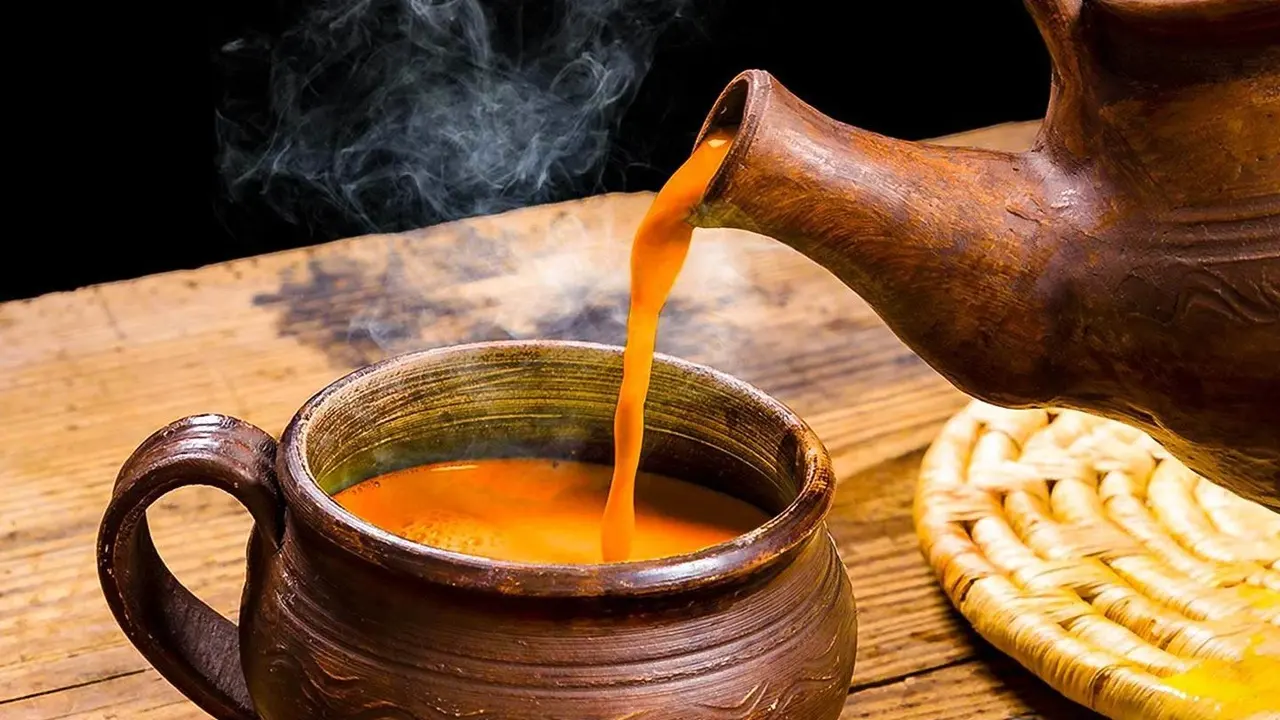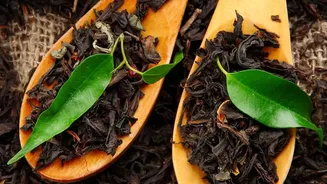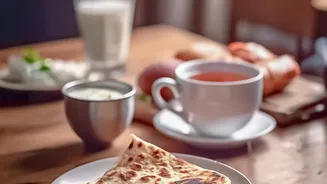

For many, the day doesn't truly begin until the first cup of tea. It's a comforting ritual, but one often spoiled by a flat, flavourless brew. The culprit? Poor storage. The good news is that protecting your tea is simple.
Meet the Five Enemies of Fresh Tea
Before you can protect your tea,
you need to know what you're fighting against. Tea has five main adversaries that degrade its quality: light, heat, moisture, air, and strong odours. Light, especially direct sunlight, breaks down the delicate flavour compounds in the leaves. Heat accelerates this process, which is why storing tea near a stove or oven is a bad idea. Moisture is perhaps the biggest threat, as tea leaves are highly absorbent; dampness can lead to mould and a completely ruined batch. Air exposure, or oxygen, causes oxidation, which makes tea taste stale. Finally, tea easily absorbs smells from its surroundings, so keeping it next to strong spices or coffee will permanently taint its flavour.
Choose Your Container Wisely
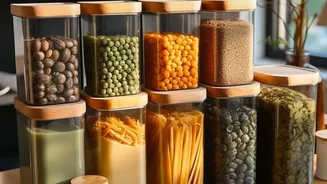
The single most important step is to use an airtight container. This is non-negotiable for keeping out air and moisture. The best options are opaque materials like metal tins or ceramic canisters with a tight-fitting lid. These materials are ideal because they also block light. While clear glass jars look appealing on a countertop, they leave your tea vulnerable to light damage unless you store them inside a dark cupboard. Avoid plastic containers when possible, as they can sometimes absorb and impart unwanted odours or flavours over time. Many high-quality teas come in excellent foil-lined, resealable pouches, which are great for storage. Simply press out the excess air before sealing and keep the pouch in a dark pantry.
Location Is Everything
Once you have the right container, where you put it matters just as much. The ideal spot is cool, dark, and dry. A kitchen cupboard or pantry shelf away from the stove, oven, dishwasher, and sink is perfect. These appliances all generate heat and steam, creating a hostile environment for tea. Also, avoid placing tea on a sunny windowsill or on top of the refrigerator, as heat rises from the appliance. By dedicating a specific, stable spot for your tea collection, you protect it from the daily fluctuations in temperature and humidity that are common in a busy kitchen.
A Note on Different Tea Types
Not all teas have the same shelf life. Black teas, being fully oxidised, are the most stable and can easily last for two years or more if stored correctly. Green and white teas are more delicate and prized for their freshness; they are best consumed within a year to enjoy their vibrant character. Flavoured teas, like Earl Grey or jasmine green tea, should be sealed particularly well, as the aromatic oils that give them their signature scent can fade quickly. It's also crucial to store different teas in separate containers. A strong mint or chai blend will quickly lend its aroma to a more delicate Darjeeling if they are stored together.
Buy Smarter, Waste Less
Ultimately, the best way to ensure fresh tea and reduce waste is to adjust your buying habits. Rather than purchasing a very large container that will sit half-empty for months, buy smaller quantities more frequently. An oversized tin means more air is trapped inside with the leaves, which speeds up staling. When you open a new package, consider labelling it with the date. This helps you follow a 'first in, first out' system, ensuring you use up older teas before they lose their charm. By storing your tea with care and buying only what you can reasonably use within a few months, you guarantee that every cup is as aromatic and flavourful as it should be.