





Hoh Rainforest, Washington
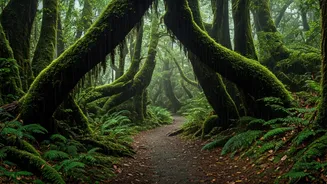
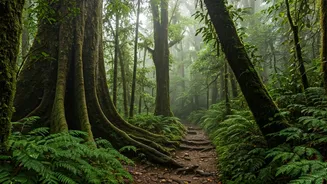
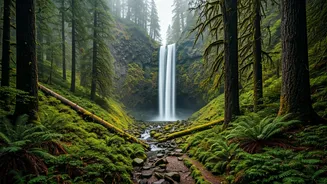
While Seattle gets the rainy reputation, the true heart of Pacific Northwest precipitation is the Hoh Rainforest in Olympic National Park. This is one of the largest temperate rainforests in the U.S., and it thrives on the 140 inches of rain it receives
annually. A trip here on a dry, sunny day feels like you’re missing the main event. In the rain, the forest is transformed. The canopy of ancient Sitka spruce and western hemlock drips with moisture, feeding the thick carpets of moss and ferns that cover every surface. The appropriately named Hall of Mosses trail becomes a tunnel of surreal, vibrant green. The sound is a gentle symphony of drips and the soft squish of the trail underfoot. It’s a place that doesn’t just tolerate rain; it’s defined by it, offering a profound sense of peace and ancient, damp beauty.
Girdwood, Alaska
Nestled in a valley surrounded by the Chugach Mountains, Girdwood is a quirky ski town that doubles as a lush, temperate rainforest. During the summer and fall, rain and low-hanging clouds are the norm, wrapping the dramatic peaks in an ethereal mist. This isn’t a bug; it’s a feature. The local trail systems, like the Winner Creek Trail, feature hand-powered trams over rushing gorges and paths through forests so green they seem electric. After a day spent exploring the misty woods or watching salmon run in the creeks, you can ride the Alyeska Resort tram up into the clouds for a stunning, moody view of the valley below. Girdwood's charm is its cozy, end-of-the-road feel, which is only enhanced when you’re watching the drizzle from a local brewery or a cabin with a wood-burning stove.
The Blue Ridge Mountains, North Carolina
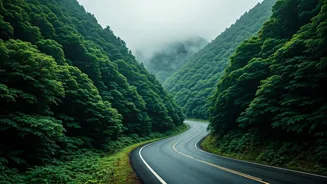
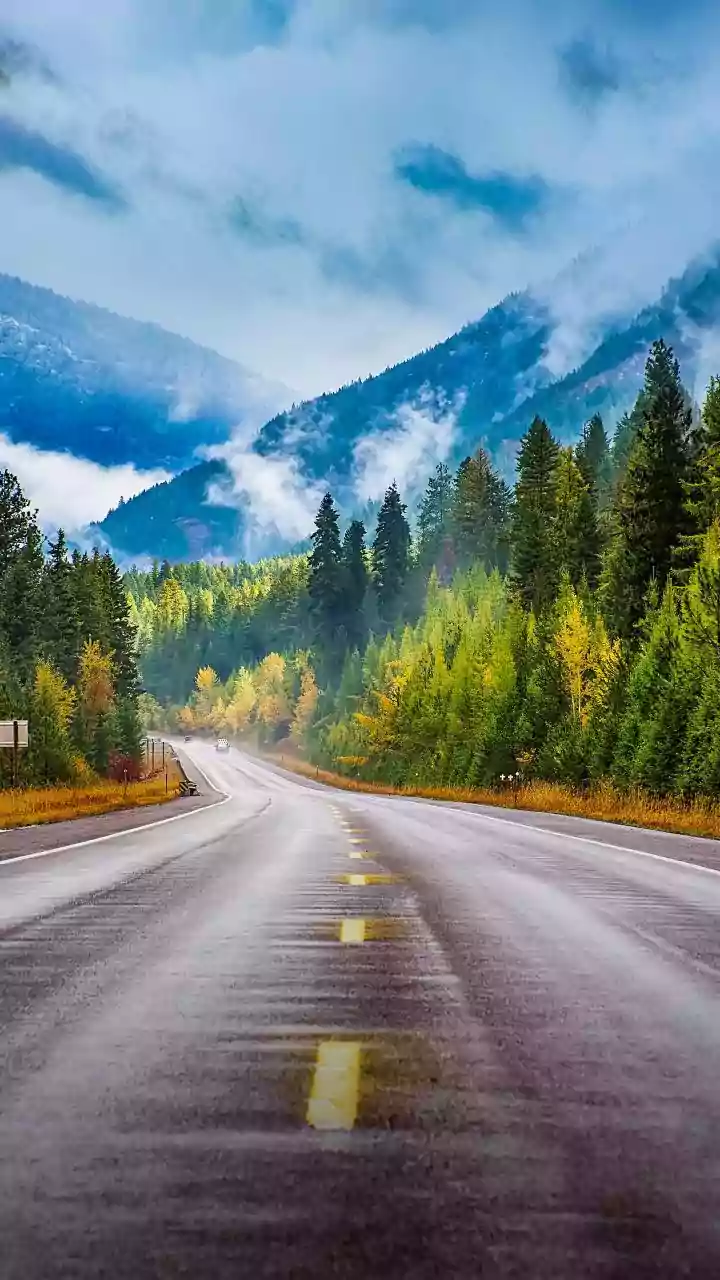
Driving the Blue Ridge Parkway on a clear day is beautiful. Driving it when it’s shrouded in the very “blue smoke” that gives the mountains their name is magical. The fog and rain create a mysterious, ever-changing landscape that forces you to slow down and appreciate the immediate scenery. The region around Brevard, NC, known as the “Land of Waterfalls,” is particularly spectacular after a downpour. Trails lead to cascades like Looking Glass Falls and Moore Cove Falls, which are at their most powerful and impressive when fed by recent rain. The sound of rushing water fills the air, and the smell of wet rhododendron and damp earth is intoxicating. It’s a sensory experience that proves a little mountain rain is the best ingredient for an Appalachian adventure.
Mendocino, California
While Southern California sells sunshine, the Northern California coast offers something far more atmospheric. The town of Mendocino, perched on dramatic coastal bluffs, is frequently blanketed in a cool, damp marine layer. This coastal fog and drizzle create a moody, romantic setting that feels worlds away from the state's sun-drenched beaches. Walk the headlands as mist swirls around you, watch the churning Pacific crash against sea stacks, and then retreat to one of the town’s charming Victorian inns. The rain enhances the feeling of being in a secluded, peaceful haven. It’s the perfect backdrop for exploring art galleries, cozying up in a bookstore, or simply enjoying the dramatic beauty of a wild coastline doing what it does best.
Ithaca, New York
Famous for the slogan “Ithaca is Gorges,” this upstate New York city is defined by the deep, dramatic chasms that cut through and around it. And what makes a gorge truly spectacular? Water. After a steady rain, Ithaca’s 150-plus waterfalls are transformed from gentle trickles into thundering torrents. At Robert H. Treman State Park, the Lucifer Falls cascade roars down a stone staircase, and at Taughannock Falls State Park, the namesake waterfall plunges 215 feet into a misty amphitheater. The rain saturates the shale and limestone, making the greens of the foliage pop. A rainy day here isn't a disappointment; it’s an invitation to witness the landscape at its most dynamic and powerful, proving you don’t need a coastline or a rainforest to find a perfect rainy-day escape.