

First, What Is 'Specialty' Tea?
Before you start shopping, it helps to know what makes a tea 'specialty'. Unlike mass-produced teabags you find in supermarkets, specialty tea is all about quality and craftsmanship. It typically features whole or large tea leaves, often sourced from
a single region or estate. These teas are cultivated with great care, hand-picked in many cases, and processed using traditional methods to preserve their unique flavours and aromas. Think of it like the difference between a generic blended wine and a fine wine from a specific vineyard; specialty tea tells a story of its specific origin and the skill of its maker. This focus on detail results in a more complex and satisfying flavour experience.
Check 1: The Importance of Origin
Just as with coffee and wine, a tea's place of origin, or 'terroir', has a massive impact on its flavour. Environmental factors like altitude, soil composition, and climate all contribute to the final taste in your cup. For example, teas from the high altitudes of Darjeeling often have a delicate, floral, and muscatel-like character due to the cool temperatures and slow growth of the plant. In contrast, teas from the warmer, lower-lying plains of Assam are known for their bold, malty, and robust flavour. When shopping, look for packaging that names a specific region (like Nilgiri, Kangra) or even a single tea estate. This transparency is a good sign that you are buying a quality product with a distinct flavour profile linked to its unique home.
Check 2: Read the Ingredients List Carefully
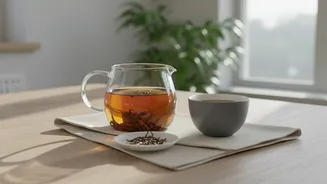
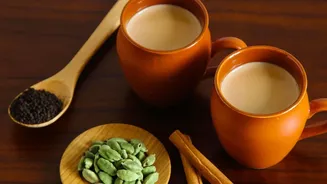
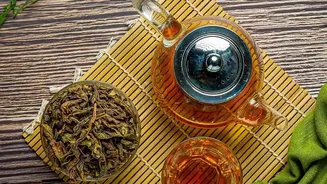
A high-quality tea should be just that: tea. The best blends let the natural flavour of the leaves shine. When you look at the ingredients, the list should be short and simple. Be wary of the term 'artificial flavours' or even just 'flavouring'. These are often used to mask lower-quality tea leaves with a strong, synthetic taste. 'Natural flavours' can also be misleading, as the term is broad and doesn't always mean the flavour comes from the fruit or spice itself. Instead, look for teas that use real, identifiable ingredients like dried fruit pieces, whole spices (cardamom, cinnamon), or flower petals (rose, chamomile). Opting for teas with whole or large, unbroken leaves is also a good indicator of quality, as these release a more nuanced and less bitter flavour than the dust and fannings found in many teabags.
Check 3: Understand Caffeine Levels
The amount of caffeine you want is a personal preference, and knowing the general rules can help you choose the right tea for the right time of day. Caffeine content in tea varies, but a typical cup has less than coffee. As a general guide, black tea tends to have the most caffeine, typically ranging from 40-70 mg per cup. This makes it a great choice for a morning energy boost. Oolong teas sit in the middle. Green teas usually have less caffeine than black teas, generally around 20-45 mg. White tea, made from young leaves and buds, is often on the lower end of the caffeine spectrum. For a completely caffeine-free option, you'll need to choose a herbal tea, also known as a tisane. These are made from herbs, flowers, and fruits, not the tea plant (Camellia sinensis), so they contain no caffeine at all.
Bonus Check: Assess Freshness
Tea does not truly 'expire' but it does lose its flavour and aroma over time as its essential oils evaporate. Freshness is key to a great tasting cup. Look for a packaging or harvest date; ideally, you should consume tea within a year of its harvest. You can also use your senses. Fresh, high-quality loose-leaf tea should have a vibrant, distinct aroma. If it smells faint, dusty, or has no scent at all, it's likely old. The dried leaves should also appear vibrant in colour, not dull or faded, and they shouldn't crumble into dust with a gentle touch. Storing your tea in an airtight, opaque container away from light and heat will help preserve its freshness for longer.