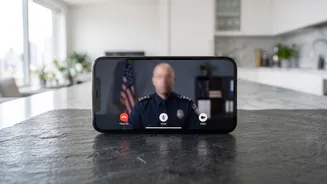






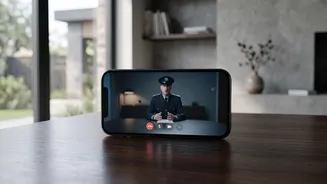

A chilling call from a number that looks official. An accusation of a serious crime. This is how 'digital arrest' scams begin, using technology and fear to impersonate law enforcement and extort money from unsuspecting citizens across India.
What is a 'Digital Arrest' Scam?
A 'digital
arrest' is not a real legal procedure; it is a sophisticated cybercrime designed to create intense fear and panic. Fraudsters impersonate officials from high-authority agencies like the police, CBI, Enforcement Directorate, or narcotics department. They contact a victim, often via a standard phone call or a video call on platforms like WhatsApp or Skype, and falsely claim that the victim is implicated in a severe crime, such as money laundering, drug trafficking, or a terror-related case. The scammer's goal is to intimidate the victim into believing they are under investigation and facing imminent arrest, creating a high-pressure situation to extort money.
The Technology Behind the Deception
A key element that makes these scams so convincing is 'caller ID spoofing'. This technology allows criminals to falsify the phone number that appears on your caller ID. Using readily available software and Voice over Internet Protocol (VoIP) services, they can make it appear as though the call is coming from a legitimate police station, a government office, or even your own local area code. When your phone displays a number you associate with authority, your guard is instantly lowered, making you more susceptible to the scammer's script. The Indian government and telecom providers are working on systems to block such international spoofed calls that are made to look like local numbers.
Anatomy of a Scam Call
The scam unfolds in predictable stages. First, the initial contact is made, delivering the shocking accusation. To lend credibility, the criminals often present fake evidence, such as doctored arrest warrants, forged FIRs, or fake ID cards, often over a video call where they might even be in a fake police station setup. The victim is then pressured into a long interrogation, sometimes lasting hours, and instructed not to speak to anyone else, effectively isolating them. Finally comes the demand for money. The scammers will claim that a payment into a 'verification account' or a 'security deposit' is required to clear the victim's name or halt the arrest, with false promises of a quick refund. These funds are immediately moved through a complex web of mule accounts to obscure the trail.
The Psychology of Fear and Authority
These scams are successful because they exploit powerful psychological triggers. By impersonating authority figures, scammers tap into our natural tendency to comply with those we perceive to be in power. They manufacture a sense of extreme urgency and fear, threatening severe consequences like a criminal record or public shame to prevent the victim from thinking rationally. This combination of fear, authority, and isolation short-circuits critical thinking, pushing people to act against their own interests. The scammers create a crisis and then conveniently offer the only way out, a tactic that can manipulate even the most cautious individuals.
Red Flags and How to Protect Yourself
The most important thing to remember is that no legitimate law enforcement agency in India will ever conduct an arrest over a phone or video call. They will never demand money, ask for bank details, or request OTPs to 'settle' a case. Be wary of anyone who pressures you to act immediately, forbids you from speaking to others, or asks for payment via bank transfer or UPI. If you receive such a call, do not engage. Do not share any personal information or confirm any details. The best course of action is to simply hang up the phone.
What to Do If You're Targeted
If you receive a suspicious call, disconnect immediately and block the number. Do not call back. If the caller claimed to be from a specific police department or agency, find the official public number for that agency yourself and call them to verify the claim. Never use a number the potential scammer provides. You should report the incident to the National Cyber Crime Reporting Portal at cybercrime.gov.in or by calling the toll free helpline number 1930. Preserving any evidence, such as the fraudulent number and any messages, can help authorities in their investigations.