


The Myth of the 'Imported' Advantage
The wellness world is flooded with trends that often feel disconnected from our daily lives and budgets. From quinoa to kale smoothies and tubs of whey protein, the message seems to be that peak health requires buying expensive, often imported, products.
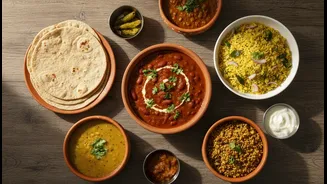
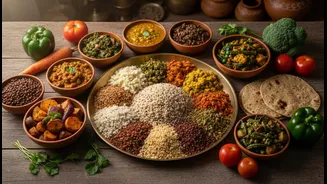
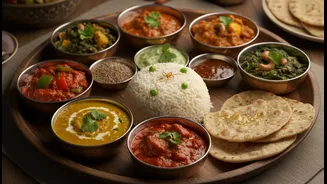
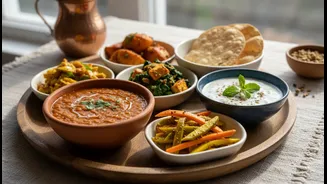
While these foods have their merits, they are not essential for a high-protein diet. In fact, India's diverse culinary landscape is a treasure trove of protein-rich ingredients that are not only affordable and accessible but also perfectly suited to our climate and palate. For generations, combinations like dal and rice have formed the foundation of a balanced meal, providing a complete amino acid profile without the need for a single imported ingredient.
The Power of Pulses and Legumes
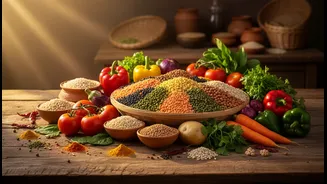
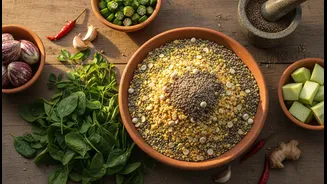
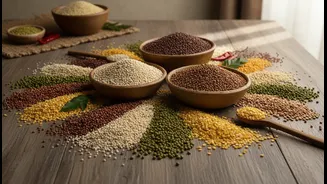
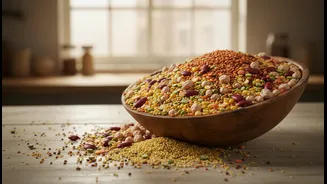
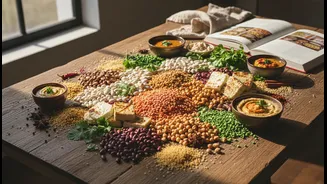
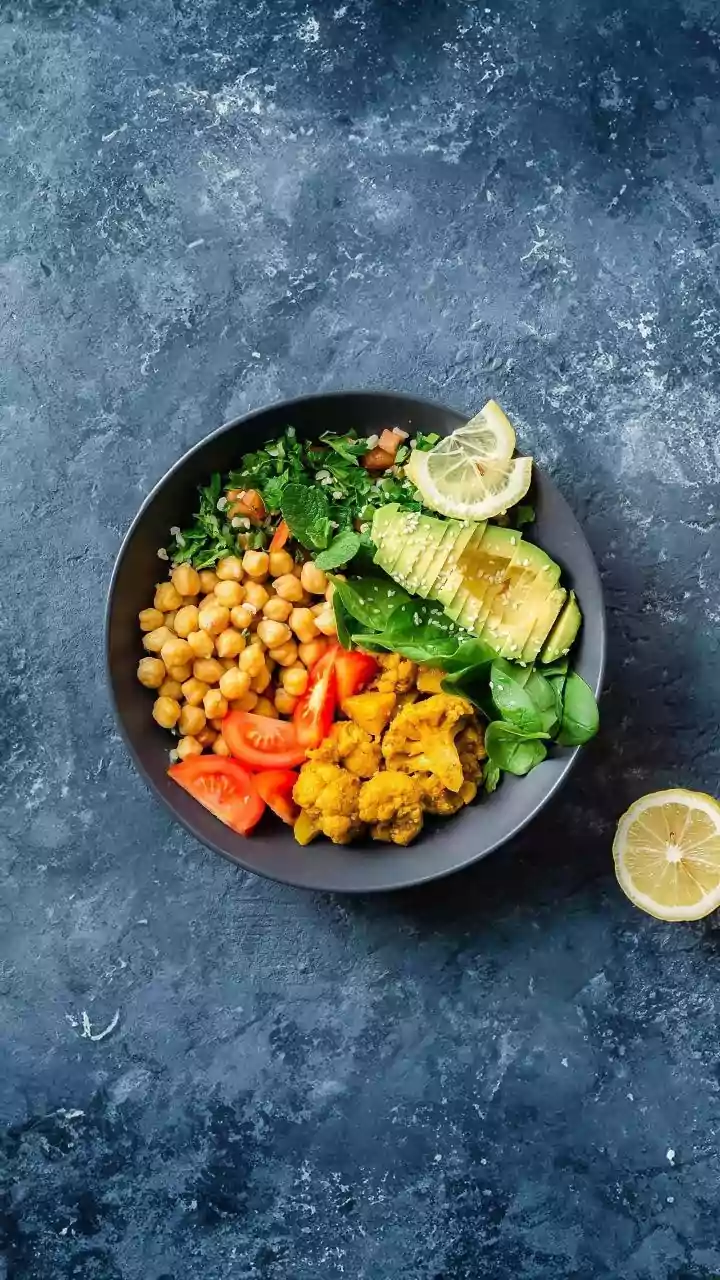
The heart of Indian vegetarian protein lies in our incredible variety of dals, legumes, and beans. A single cup of cooked dal can provide a significant portion of your daily protein needs, often between 15 to 18 grams. Lentils like moong, masoor, and toor are staples for a reason—they are packed with protein and fibre, easy to digest, and incredibly versatile. Beyond the daily dal, consider chickpeas (chana) and kidney beans (rajma). A bowl of chole or rajma curry is not just comfort food; it's a protein powerhouse that keeps you feeling full and energized. Soya chunks are another budget-friendly champion, offering a protein density comparable to meat.
Dairy: Our Traditional Protein Powerhouse
For vegetarians, dairy products are a cornerstone of protein intake in India. Paneer (Indian cottage cheese) is a fantastic source, providing around 18-20 grams of protein per 100 grams. It's rich in casein, a slow-digesting protein that's excellent for muscle repair and satiety. Curd (dahi) is another kitchen staple that shines. It offers a good amount of protein, around 10 grams per 100g for hung curd, and comes with the added benefit of probiotics for gut health. Even a simple glass of milk or a refreshing buttermilk (chaas) contributes to your daily protein count, making dairy an easy and effective way to boost your intake.
Grains, Nuts, and Seeds
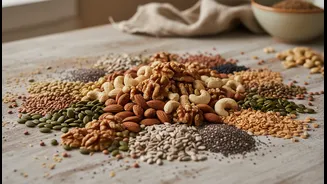
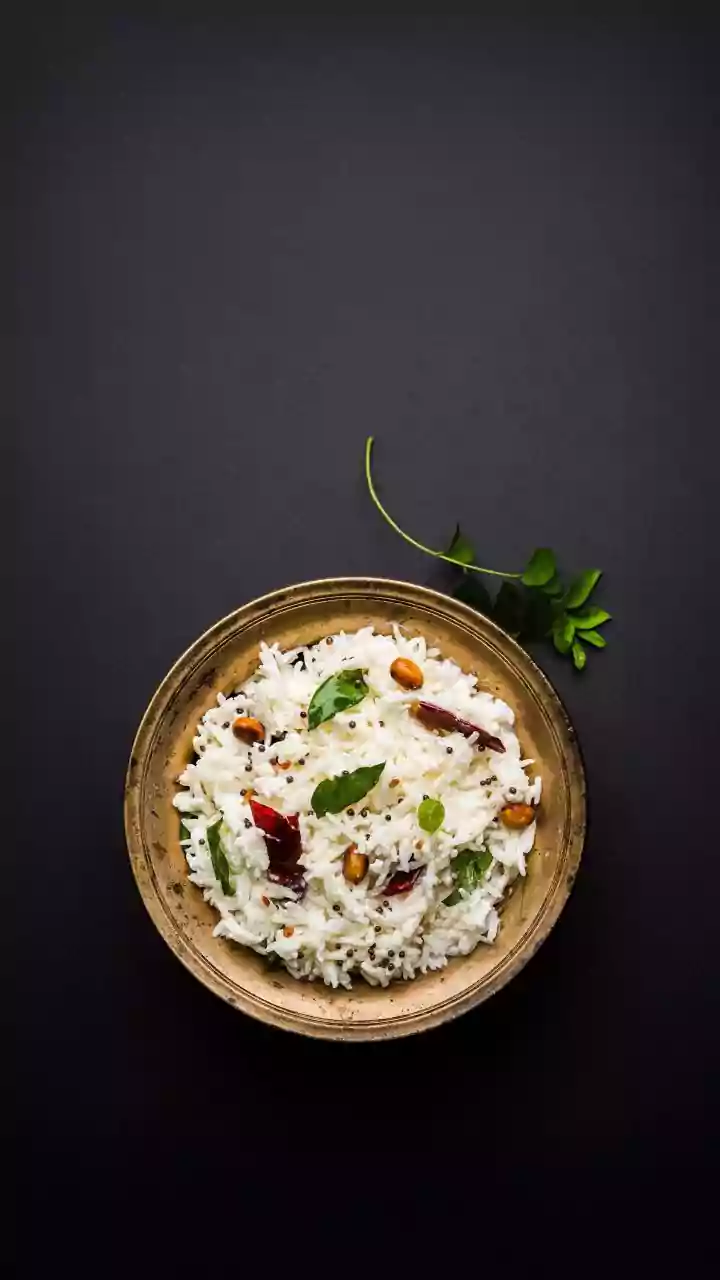
While often viewed as carbohydrates, many traditional Indian grains are also good sources of protein. Millets like bajra and ancient grains like amaranth (rajgira) offer a more balanced nutritional profile than refined flour. Combining these grains with pulses, as in a classic khichdi, creates a complete protein source. Don't overlook the humble peanut, either. Inexpensive and widely available, peanuts contain about 26 grams of protein per 100 grams and are a great source of healthy fats. Other nuts and seeds like almonds, walnuts, and sunflower seeds, used as garnishes or snacks, all add valuable protein and micronutrients to your diet.
Embracing Regional Strength
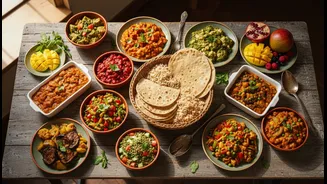
The beauty of Indian cuisine is its regional diversity, which extends to its protein sources. South Indian staples like idli and dosa, made from fermented rice and lentil batter, are excellent protein-rich breakfast options. A pesarattu, made from moong dal, is another fantastic example. In the North, sattu (roasted gram flour) is a traditional powerhouse used in drinks and breads, providing an instant and affordable protein boost. For non-vegetarians, regional preparations of fresh fish, chicken, and eggs offer high-quality, bioavailable protein that is woven into the fabric of local food culture.