





The Innovation in Your Kitchen
The theme for World Food Day 2026 is 'Innovate today. Nourish tomorrow'. This global call to action focuses on using new ideas and technology to build a food-secure future. While this sounds grand, innovation can be personal, too. The most impactful changes
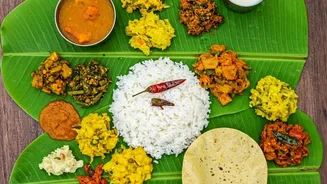
often start at home. An innovative kitchen is not one filled with fancy gadgets; it is one that is mindful of waste. In India, a significant amount of food waste happens in homes. By rethinking how we buy, store, and cook food, we can align our personal habits with this global mission, turning our kitchens into centres of sustainable living.
Plan Like a Pro
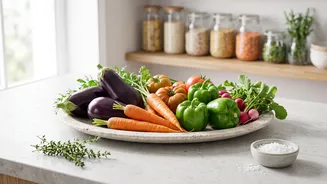
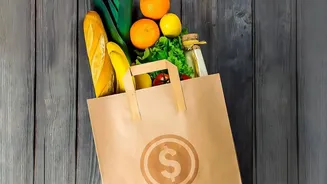
The single most effective way to reduce kitchen waste is to prevent it in the first place. Meal planning is your best strategy. Before heading to the store, shop your own pantry and fridge first. Create a weekly menu based on what you already have and make a detailed shopping list for only the items you need. This prevents impulse buys and the classic mistake of buying produce that you already have hiding in the back of the fridge. For Indian households, this might mean planning your dals, sabzis, and curries for the week and buying vegetables in smaller, more frequent batches rather than a large weekly stock-up that leads to spoilage.
Master Smart Storage
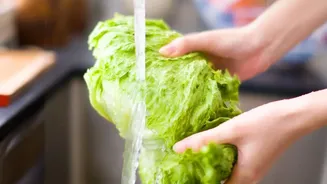
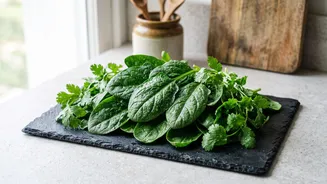
How you store your food is just as important as how you buy it. Proper storage can double or triple the life of your fresh produce. Keep moisture-loving vegetables like leafy greens (palak, dhania) in cloth bags or wrapped in paper towels inside containers. Store onions and potatoes in a cool, dark place, but keep them separate, as onions can cause potatoes to sprout. Tomatoes lose their flavour in the fridge; keep them on the counter until ripe. Adopting the 'First In, First Out' (FIFO) rule—moving older items to the front of the fridge so they get used first—is a simple but powerful habit.
Embrace Root-to-Stem Cooking
So much of what we throw away is perfectly edible and nutritious. Challenge yourself to use the whole vegetable. Coriander stems, cauliflower stalks, broccoli stems, and even the leaves of beetroot and radish are delicious when cooked. You can chop them finely and add them to stir-fries, sabzis, or grind them into chutneys. Tougher peels and scraps from carrots, onions, and celery can be collected in a bag in the freezer. Once you have enough, boil them to create a flavourful vegetable stock that can be used as a base for soups and curries, costing you nothing.
Get Creative with Leftovers
Leftovers don't have to be boring. With a little creativity, they can be transformed into entirely new and exciting meals. Leftover rice is perfect for making fried rice or lemon rice the next day. Extra dal can be thinned into a soup or used to knead dough for flavourful parathas. Stale rotis or bread can be crisped up into snacks or ground into breadcrumbs. Keep a 'use-first' box in your fridge for leftovers and items that are close to their expiry date, making them visible and ensuring they get eaten.
Compost the Unavoidable
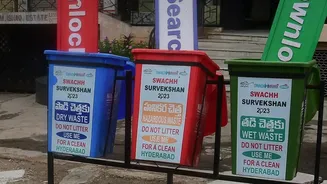
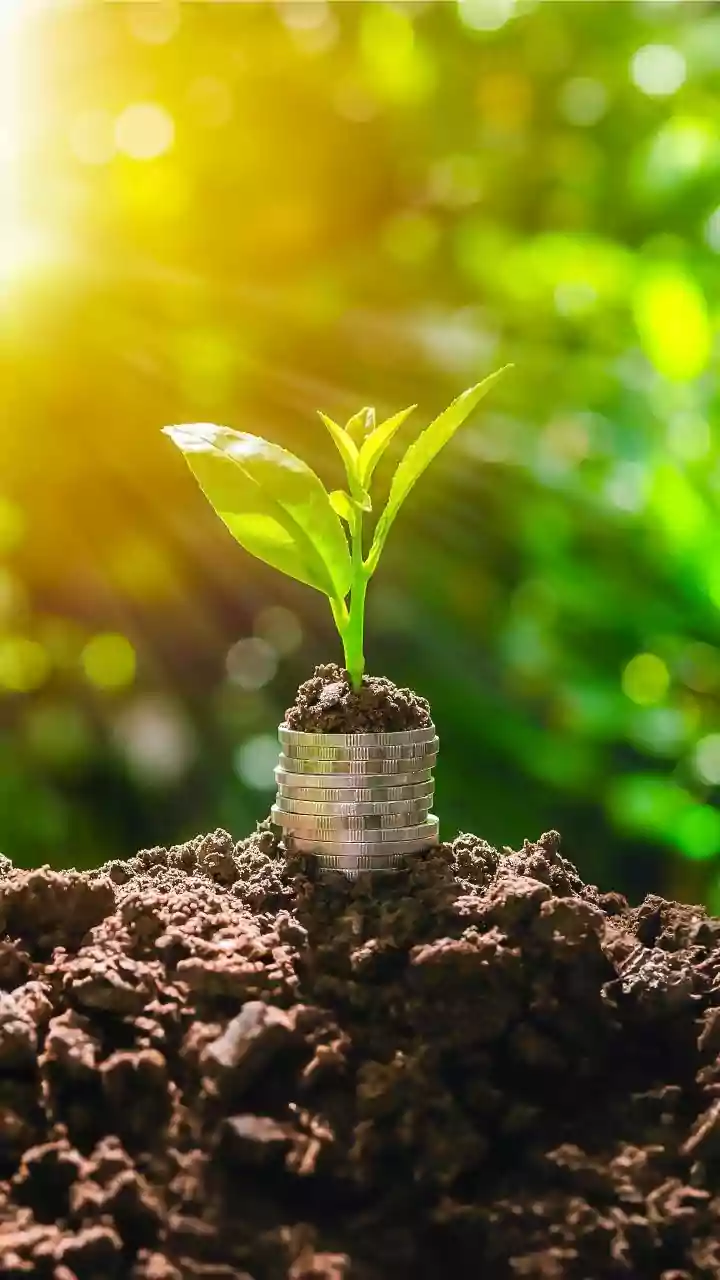
Even after all your best efforts, some waste is unavoidable—think eggshells, coffee grounds, and certain peels. Instead of sending these to the landfill where they produce methane, a potent greenhouse gas, consider composting. Composting is a natural process that turns organic scraps into a rich, nutrient-dense fertilizer for your plants. You don't need a large garden to start; many compact solutions exist for apartment balconies and small kitchens. It is the final step in a truly circular kitchen, returning nutrients back to the soil.